
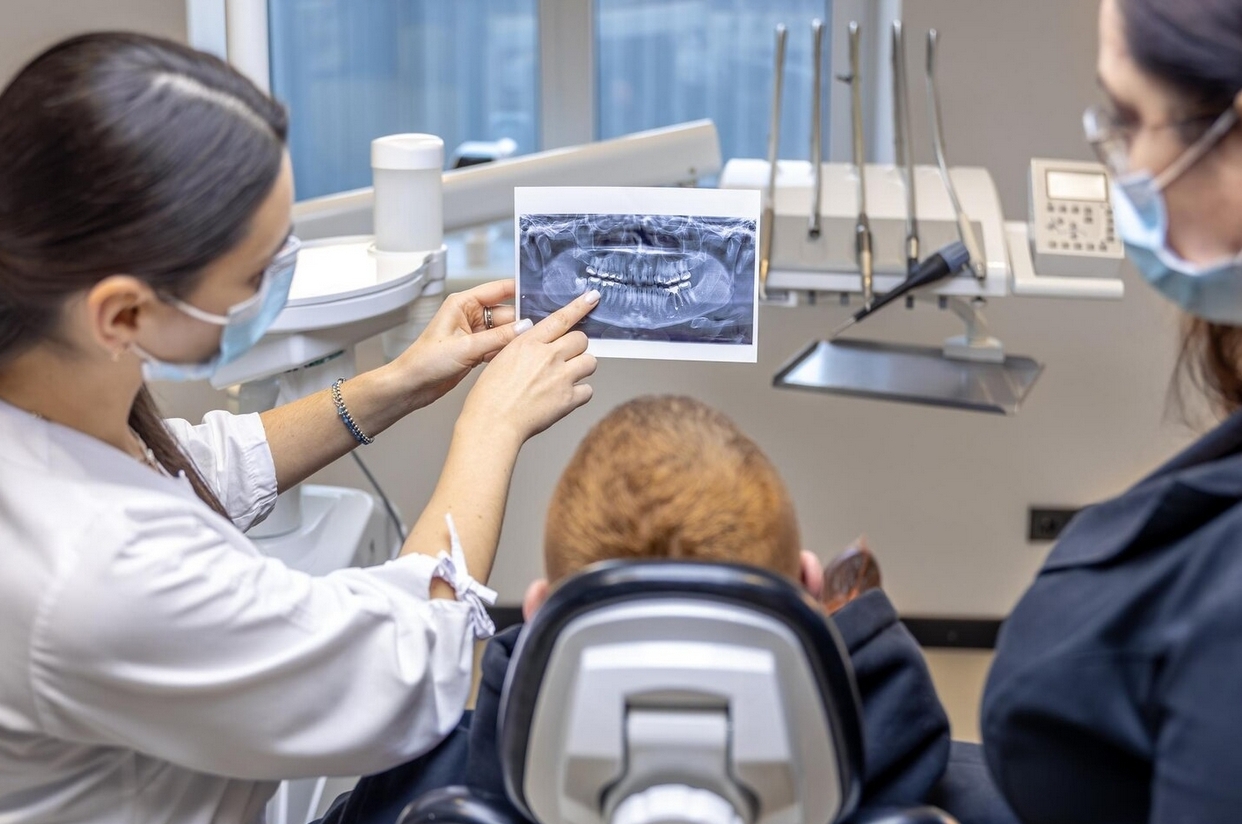
Patient safety is a fundamental aspect of modern dental practice, particularly concerning the use of ionizing radiation. Imaging modalities such as dental X-rays, panoramic radiography, and Cone Beam Computed Tomography (CBCT) have become essential diagnostic tools. However, even low levels of radiation exposure require the strict application of radiation protection principles to minimize both short- and long-term risks.
The Importance of Radiation Control in Dental Practice
Ionizing radiation has the potential to cause biological effects on cells, ranging from DNA structural changes to carcinogenic risks resulting from cumulative exposure. Although radiation doses from dental examinations are relatively low compared to other medical modalities, repeated use across large populations necessitates safe, measurable, and effective protection systems.
Patients—particularly children, pregnant women, and individuals requiring repeated examinations—require special attention due to higher biological sensitivity.
Radiation Protection Measures in Dental Radiography
Radiation protection is based on the ALARA principle (As Low As Reasonably Achievable), which prioritizes minimizing radiation dose without compromising diagnostic quality. Protective measures include:
- Optimization of examination techniques, including exposure parameters, patient positioning, and sensor quality
- Use of protective equipment such as lead aprons and thyroid collars when necessary
- Routine maintenance and calibration of X-ray units to ensure safe performance
- Control of operator distance and positioning, particularly when using portable devices
require stricter protection protocols because operators tend to be closer to the radiation source.
Related Research
Findings from a study conducted by FKG UGM student Sefhana Naufal D, under the supervision of drg. Ryna Dwi Yanuaryska, Ph.D., and drg. Rellyca Sola Gracea, Sp.RKG., entitled “Radiation Protection Efforts in the Use of Portable Dental X-ray Units for Radiation Workers,” emphasize that portable X-ray use must apply proper radiation protection procedures. These include improving operator understanding of exposure risks, the importance of maintaining safe distances, using radiation shielding, and conducting periodic dose evaluations.
***
Radiation safety in dental practice is a fundamental aspect that must not be overlooked. Although dental radiographic doses are generally low, principles such as ALARA, physical protection, examination justification, and quality control must be implemented to minimize risks to patients and healthcare personnel. Portable devices demand heightened attention to operator and environmental radiation protection. These practices not only improve the quality of dental healthcare services but also support sustainable development goals in health, innovation, and education.
References
SEFHANA NAUFAL D, drg. Ryna Dwi Yanuaryska, Ph.D., drg. Rellyca Sola Gracea,Sp.RKG., Usaha Proteksi Radiasi Dalam Penggunaan Portable Dental X-ray Unit Bagi Pekerja Radiasi, https://etd.repository.ugm.ac.id/penelitian/detail/204582
Author: Rizky B. Hendrawan | Photo: Freepik

