
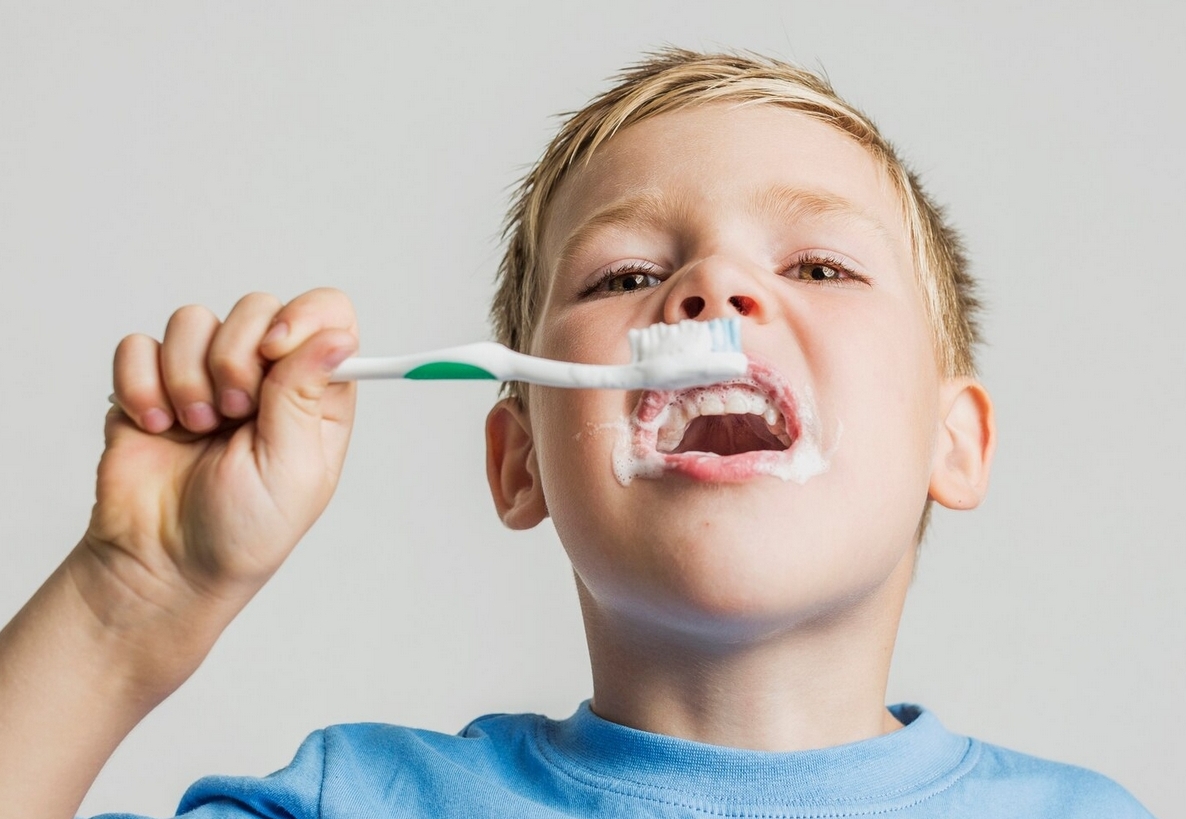
Dental caries among primary school children remains a significant oral health problem in many regions. This condition not only interferes with eating, speaking, and learning concentration but can also lead to substantial treatment costs if not prevented early. Therefore, implementing effective caries prevention programs, particularly at the primary school level and with a community-based approach, is essential.
A study conducted by FKG UGM student Alicia Puspitasari Nugrah Utami under the supervision of drg. Lisdrianto Hanindriyo, MPH, PhD. and Dr. drg. Dibyo Pramono, SU, MDSc., entitled “The Relationship between Maternal Education Level and Mothers’ Attitudes toward the Implementation of Fluoride Mouth Rinse Programs for Grade 1 Primary School Students in Yogyakarta City”, showed that higher maternal education levels were associated with more positive attitudes toward fluoride mouth rinse programs.
This finding highlights the importance of education and parental involvement in children’s oral health programs.
This article will discuss the framework of a community-based elementary school caries prevention program: background, program components, implementation strategies, challenges and implementation recommendations.
Background
Dental caries is triggered by the interaction of plaque bacteria, high sugar intake, and prolonged contact with teeth, especially when oral hygiene is inadequate. Primary school is a critical stage because children are in the habit-forming phase and are highly receptive to school and community interventions.
A community-based approach means that programs are not implemented solely by healthcare professionals in clinics but involve teachers, parents (especially mothers), community leaders, and students within the school and surrounding environment.
Research in Yogyakarta found that mothers’ attitudes toward fluoride mouth rinse programs were strongly influenced by their education level, indicating that parental education and community empowerment are key elements in successful caries prevention programs.
Components of a Community-Based Caries Prevention Program
Here are some components that should be included in a community-based caries prevention program in elementary schools:
- Oral Health Education for Students, Teachers, and Parents
- Explaining the causes of caries and preventive measures (tooth brushing, sugar limitation, fluoride rinsing).
- Utilizing teachers as oral health educators and parents as partners at home.
- Providing age-appropriate, culturally relevant, and easy-to-understand materials.
- Routine School-Based Activities
- Scheduled tooth brushing after meals or fluoride mouth rinsing in classrooms.
- Simple oral examinations at school, with referrals when problems are detected.
- Improving the school environment: providing clean water, handwashing/toothbrushing facilities, and limiting sugary foods and drinks in school canteens.
- Parental and Community Involvement
- Workshops for parents (including mothers) to raise awareness of the importance of caries prevention.
- Establishing support groups or “school communities” consisting of teachers, parents, and community leaders to monitor and motivate.
- Community outreach around schools, such as home visits by community health volunteers.
- Monitoring and Evaluation
- Recording caries prevalence and oral hygiene status at baseline and after intervention.
- Evaluating parents’ and teachers’ attitudes and program implementation.
- Using feedback to improve and refine the program.
Implementation Strategies in Primary School Settings
To make this program successful in elementary schools (SD) and community-based, the following strategies can be applied:
- Start with a needs assessment: identify caries prevalence, brushing habits, sugar consumption, access to dental care, and parental perceptions.
- Involve multiple stakeholders from the outset: local health offices, education authorities, principals, teachers, parents, and community health workers.
- Develop a realistic joint action plan: schedule brushing or fluoride rinsing activities, define responsibilities, and provide supporting facilities.
- Use a community approach: conduct education sessions in parents’ homes or community spaces and run oral health campaigns around schools.
- Ensure logistical support: availability of toothbrushes, toothpaste, clean water, brushing facilities, and minimal operational budgets.
- Conduct regular monitoring and involve families in reporting: teachers or community workers can document routine activities and report to schools or health offices.
- Improve parental literacy: as shown in the UGM study, maternal education level is related to attitudes toward caries prevention, making parental education critical for home support.
Challenges and Mitigation
Some of the challenges that may be faced include:
- Limited resources: remote schools may lack facilities or funding. Mitigation: collaborate with local government, NGOs, or corporate CSR programs.
- Low parental awareness: parental attitudes are influenced by education level. Mitigation: provide simple, accessible education and engage local community leaders as change agents.
- Low motivation among students and teachers: additional activities may cause fatigue or resistance. Mitigation: design fun programs, inter-class competitions, and small rewards.
- Unsupportive school environment: high sugar availability in canteens or lack of clean water. Mitigation: work with school management and canteen operators to improve policies and facilities.
Recommendations
- Schools and health offices should integrate caries prevention into routine primary school health programs, not as one-off activities.
- Programs should be adapted to local cultural, social, and economic contexts to increase acceptance.
- Involve parents from planning through evaluation to ensure continuity at school and at home.
- Use baseline data and regular evaluations to measure effectiveness and adjust programs.
- Encourage further research on modifying factors such as parental education level in relation to caries prevention success.
***
Community-based caries prevention programs in primary schools have strong potential to reduce oral diseases that significantly affect children’s quality of life. Through education, parental involvement, supportive school environments, and routine monitoring, these programs can foster healthy oral habits among students.
Research shows that parental education and attitudes are critical to intervention success. Therefore, effective caries prevention relies not only on healthcare providers or schools but on synergy between schools, families, and communities.
References
Alicia Puspitasari Nugrah Utami, drg. Lisdrianto Hanindriyo, MPH, PhD.; Dr. drg. Dibyo Pramono, SU, MDSc., Hubungan antara Tingkat Pendidikan dengan Sikap Ibu terhadap Pelaksanaan Program Berkumur Fluor untuk Siswa Kelas 1 Sekolah Dasar di Kota Yogyakarta, https://etd.repository.ugm.ac.id/home/detail_pencarian_downloadfiles/1289839
Author: Rizky B. Hendrawan | Photo: Freepik

