
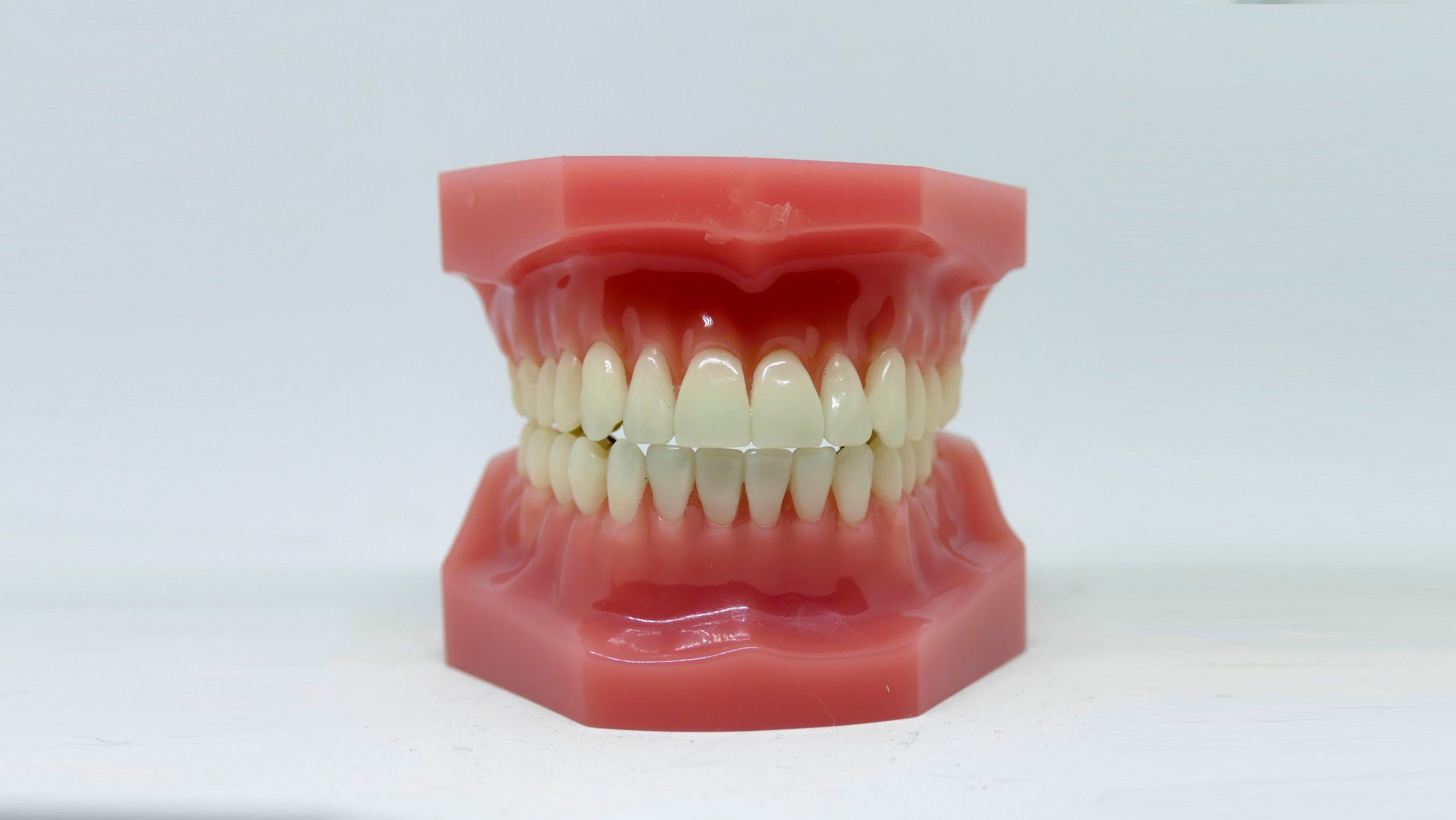
Imagine that every time a patient sits in the dental chair and bites down on the panoramic X-ray film, a process of DNA damage is silently taking place in the cells of the gingival mucosa. The radiation dose is indeed small, only 47 microsieverts per exposure. But small does not necessarily mean without consequences.
This concern prompted Dr. drg. Rurie Ratna Shantiningsih, MDSc, from the Department of Dentomaxillofacial Radiology, Faculty of Dentistry, Universitas Gadjah Mada, together with a multidisciplinary research team, to seek ways to protect oral tissues from the genotoxic effects of panoramic radiation. The solution they investigated came from something surprisingly simple: beta-carotene, an orange pigment commonly found in carrots and other brightly colored vegetables.
Low-Dose Radiation, Hidden DNA Damage
Panoramic radiography is a standard procedure in dentistry. Dentists use it to obtain an overall view of the jaws, teeth, and surrounding structures in a single image. Because the radiation dose is relatively low, the procedure is often considered safe without requiring additional protective measures.
However, previous studies have shown that exposure to X-rays during panoramic radiography can trigger genotoxic effects, namely damage to the genetic material within cells. One of the earliest markers of such damage is the formation of micronuclei, small fragments of DNA that become detached from the main cell nucleus. The greater the number of micronuclei detected, the stronger the indication of genetic damage and the greater the potential long-term risk of carcinogenesis.
This damage occurs through oxidative reactions: radiation triggers the formation of free radicals that can damage DNA. Its effects can be traced through the expression of 8-hydroxy-2-deoxyguanosine, or 8-oxo-dG, a biomarker of oxidative DNA damage formed following X-ray exposure. At the same time, the body has a defense mechanism involving gap junctions, channels that facilitate communication between cells and are mediated by Connexin-43 (Cx-43). The more active Cx-43 is, the more effectively cells can communicate with one another to repair damage.
From Carrots to a Gingival Patch
Beta-carotene has long been recognized as an antioxidant. It works by neutralizing free radicals through its double bonds while also enhancing intercellular communication through gap junctions. The challenge, however, is how to deliver beta-carotene directly and efficiently to gingival tissue in a localized manner.
The research team addressed this challenge by designing a gingival mucoadhesive patch, a small patch specifically formulated to adhere to the gingival mucosa. The patch allows beta-carotene to be absorbed directly in the area most exposed to radiation without having to pass through the digestive system. New Zealand rabbits were selected as experimental animals because the turnover cycle of their gingival mucosal cells, approximately 10–12 days, is similar to that in humans.
The study was designed with four groups. Group I served as the control and was exposed to panoramic radiation without any protection. Group II used the patch for 3, 6, and 9 days before exposure. Group III applied the patch immediately before exposure and continued using it for 3, 6, and 9 days after exposure. Group IV began using the patch only after radiation exposure.
Gingival mucosal samples were collected using swab techniques and stained using a modified Feulgen-Rossenbeck method to count micronuclei. The expression of 8-oxo-dG and Cx-43 was analyzed using immunohistochemical techniques. All data were subsequently analyzed using two-way ANOVA.
The Patch Works Best When Applied Before and During Exposure
The results were quite clear. The number of micronuclei in the control group increased sharply, particularly on the third day after exposure. In contrast, the groups using the beta-carotene patch, particularly Groups II and III, showed a significantly smaller increase in micronuclei (p < 0.05).
“These results indicate that a beta-carotene gingival mucoadhesive patch can be used to prevent the effects of exposure to panoramic radiographic radiation,” Shantiningsih and her team wrote in their publication in the Padjadjaran Journal of Dentistry.
The expression of 8-oxo-dG, a marker of oxidative DNA damage, also showed significant differences between the control group and Groups II and III. Group III, which used the patch immediately before exposure, recorded the lowest 8-oxo-dG expression. This indicates that the most optimal protection occurred when the patch was already in place as the X-rays were directed at the tissue.
Meanwhile, Cx-43 expression increased in the groups using the patch, particularly Group IV. This suggests that beta-carotene not only acts as an antioxidant but may also promote intercellular communication, helping tissues recover from the effects of radiation.
The patch also appeared to provide physical protection. When applied to the gingival mucosa during exposure, it mechanically blocked some of the X-rays from directly reaching the soft tissue. Thus, the thin layer performed two functions simultaneously: chemical and physical protection.
A Local Innovation for Global Patient Safety
The research was supported by a research grant from the Faculty of Dentistry, UGM, and involved multidisciplinary collaboration among the Department of Dentomaxillofacial Radiology, Faculty of Dentistry; the Department of Pharmaceutics, Faculty of Pharmacy; and the Department of Pharmacology and Therapy, Faculty of Medicine, Public Health, and Nursing, UGM. It was a collaborative effort demonstrating that clinical innovation does not emerge from a single discipline.
The remaining question, of course, is when the patch will reach dentists and patients. The journey from the laboratory to clinical practice is a long one. Clinical trials in humans are still required. Nevertheless, this research has opened an intriguing avenue: protection against diagnostic radiation may not necessarily require heavy lead shielding, but could instead involve a thin patch placed on the gums and containing a naturally derived pigment.
Source DOI: DOI: 10.24198/pjd.vol31no1.16351
Authors: Anny Anggraini; drg. Achmad Zam Zam Aghasy, M.Kes.
Photo: Pexels