
–The Story of 41 New Dentists of FKG UGM Amid National Healthcare Workforce Distribution Challenges–
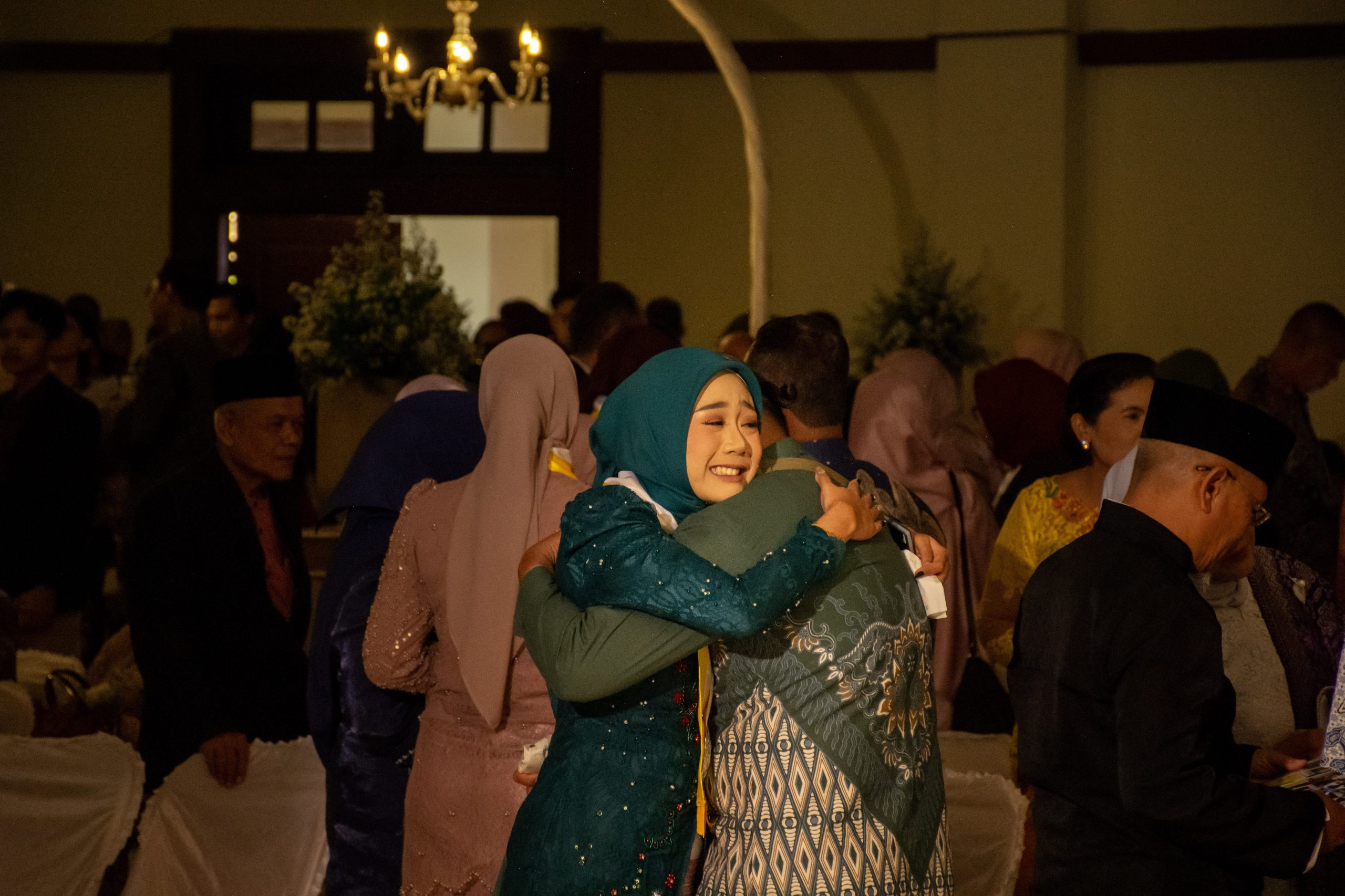
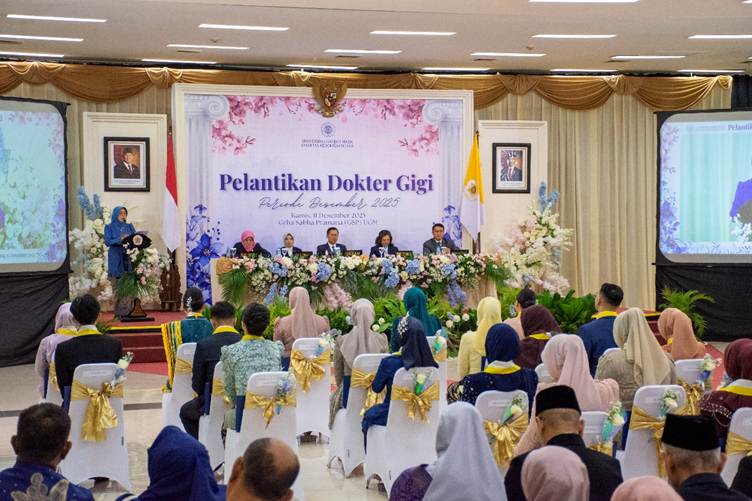
Yogyakarta, December 11, 2025 – Inside the hall of Grha Sabha Pramana, Universitas Gadjah Mada, 41 newly qualified dentists from the Faculty of Dentistry, Universitas Gadjah Mada (FKG UGM), stood proudly in their white coats—symbols of a profession marking the transition from classrooms to public healthcare service. Behind the proud smiles on their faces lies a long journey of perseverance, pressure, sacrifice, and renewed hope for the development of Indonesia’s oral and dental healthcare system.
The December 2025 inauguration ceremony was more than a formal event. It reflected the dynamics of dental education in Indonesia and marked the emergence of a new generation of healthcare professionals who are expected to help fill service gaps in regions long affected by shortages of dental practitioners.
A Challenging Journey: 2–3 Years of Demanding Clinical Internship
Academic data released by FKG UGM indicate that the duration of the professional program ranged from 2 years and 3 months to over 3 years, with an average GPA of 3.67. These figures reflect both academic consistency and the mental resilience required to complete the clinical internship (koas)—the most critical phase of dental education.
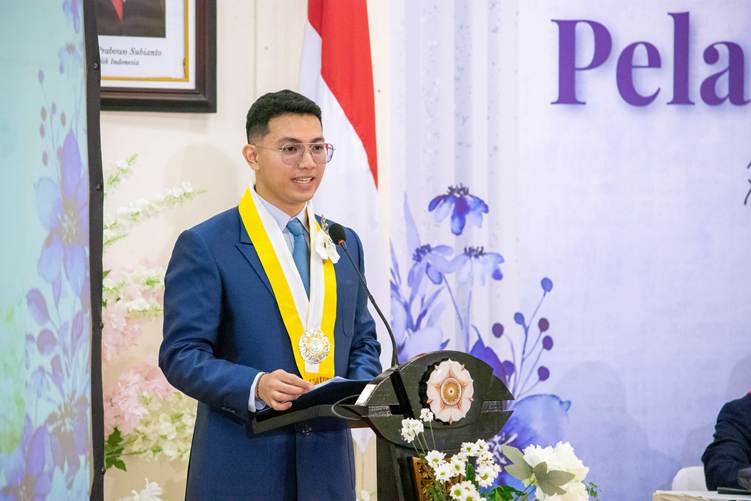
Representing the graduates, drg. Jordan Benny Pardamean Hutajulu described the internship period as a phase that “drains energy, health, and emotions,” marked by fear, pressure to complete competencies, and struggles with mental exhaustion. Yet, it was through these pressures that resilience was forged, enabling graduates to stand firmly on inauguration day.
Inequitable Distribution of Dentists: A Serious Warning from PDGI
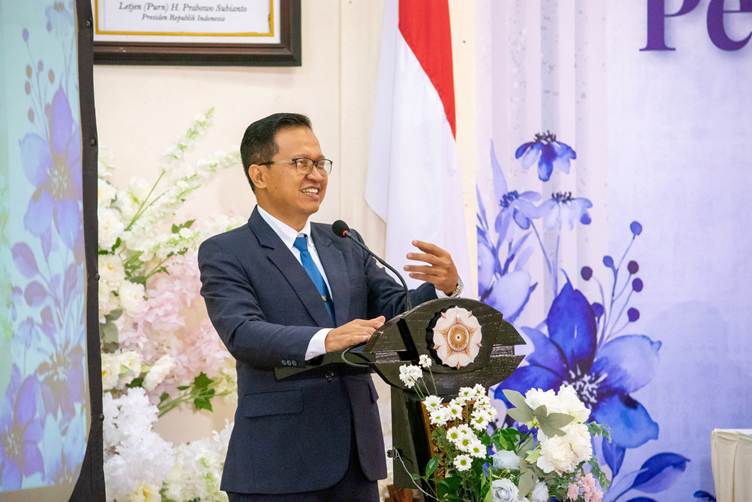
Beyond academic achievement, the ceremony also highlighted a pressing reality. Dean of FKG UGM, Prof. drg. Suryono, S.H., M.M., Ph.D., emphasized that Indonesia continues to face a shortage of dentists, particularly in remote and underserved areas.
A representative of the Indonesian Dental Association (PDGI) for the Special Region of Yogyakarta, drg. Hunik Rimawati, M.Kes, noted that:
- West Java still has more than 240 community health centers without a dentist.
- In Lamandau Regency, one dentist serves eleven health centers and one hospital.
- Workforce disparities outside Java are even more severe and increasingly concerning.
PDGI’s call for graduates to serve in these regions is not merely a moral appeal, but a reflection of the nation’s urgent needs. The addition of 41 new dentists therefore represents not only an increase in numbers, but a potential step toward reducing decades-long disparities in healthcare access.
Top Graduates and Dentistry Awards
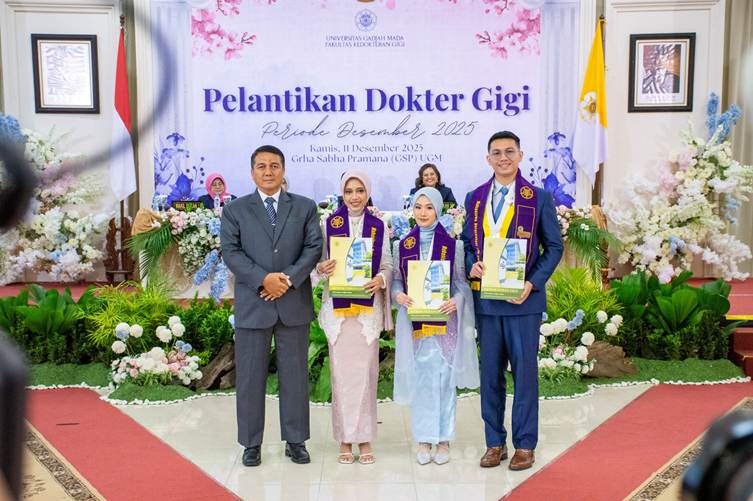
FKG UGM once again presented the Dentistry Award, delivered by the Vice Dean for Human Resources, IT, and Assets, drg. Margareta Rinastiti, M.Kes., Sp.KG., Subsp.KR(K)., Ph.D., honoring graduates with outstanding achievements. According to faculty records, the award recipients for this period were:
- drg. Amalia Nur Faadiya – Rank 1
- drg. Tiara Evita Sari – Rank 2
- drg. Jordan Benny Pardamean Hutajulu – Rank 3
These graduates excelled in academic performance, study duration, organizational involvement, and non-academic contributions. Additionally, five graduates earned cum laude distinctions: drg. Hana Fauziah, drg. Nadia Mufida, drg. Najmia Salsabila, drg. Riza Adha, and drg. Tiara Evita Sari, reflecting consistently high academic quality within the cohort.
The Human Dimension of Dental Education
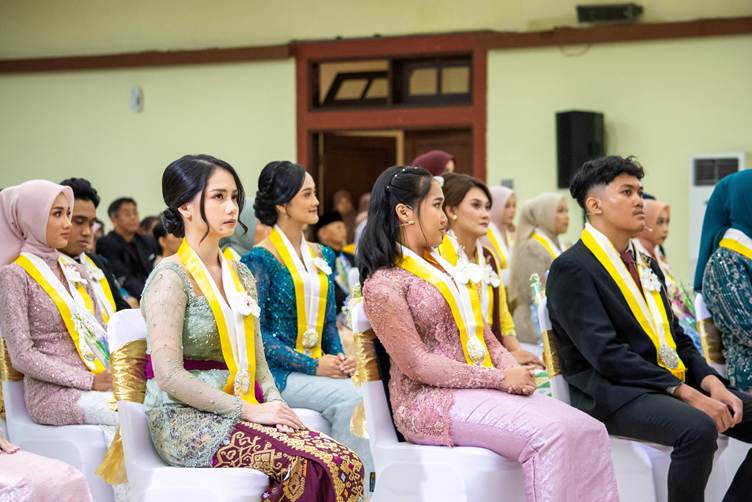
One of the most moving moments of the ceremony was a speech delivered by the parents’ representative, Prof. Dr. Tina Afiatin, M.Si, who recounted the struggles endured by the graduates—long nights, examination pressures, self-doubt, and fear of failure. All of these hardships were ultimately rewarded when they were declared competent and officially conferred the title of dentist.
The speech also emphasized that dentistry is not merely a technical profession, but one that requires empathy and moral commitment. This message broadened public understanding that the relationship between healthcare providers and patients is not a transactional exchange, but a bond of trust that must be upheld.
Gender Imbalance and Professional Dynamics
Of the 41 graduates, 36 were women and only 5 were men, reinforcing a long-standing trend of increasing female dominance in the dental profession in Indonesia. This phenomenon carries social implications, including potential career barriers, workforce distribution challenges in remote areas, and dual societal roles. These issues become increasingly relevant as PDGI highlights the need for more balanced recruitment strategies in the future.
Between Hope and Reality: The Future of New Dentists
Speakers at the event also addressed evolving trends in dentistry, including digitalization, oral health technology, artificial intelligence in diagnosis, and regulatory and ethical challenges.
Despite these complexities, one core message resonated clearly:
Indonesia needs dentists.
Whether serving as young practitioners in remote health centers, participants in national service programs, future specialists, or leaders in national oral healthcare systems.
The 41 newly graduated dentists of UGM carry forward the legacy of previous generations—bringing renewed hope for Indonesia’s oral and dental health services.
Behind Every Smile Lies a Great Responsibility
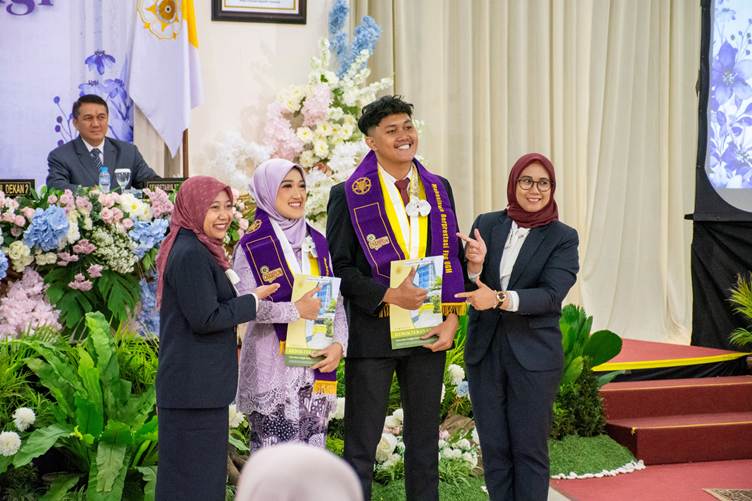
This inauguration marks not an endpoint, but a beginning. The newly qualified dentists now step into real-world practice, where patient smiles are restored not only through clinical expertise, but through dedication and compassion.
Amid unequal healthcare workforce distribution, growing public health demands, and complex social dynamics, they are challenged not merely to work—but to drive meaningful change.
And from the stories shared that day, one truth stands out clearly:
Indonesia places great hope in the hands of the newly inaugurated dentists.
(Reporter: Andri Wicaksono | Photo: Fajar Budi Harsakti)

