
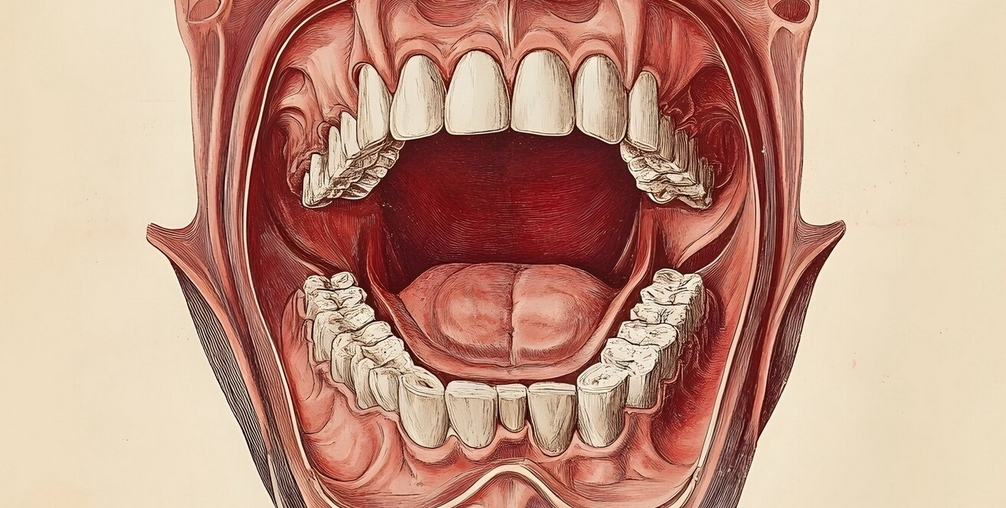
Saliva is an essential biological fluid produced by the major and minor salivary glands, as well as by gingival sulcus fluid within the oral cavity. Saliva does not merely function as an oral lubricant, but also plays a crucial role in maintaining the balance of the oral ecosystem, initiating digestion, protecting against microorganisms, and helping preserve the structural integrity of oral tissues.
Salivary composition can be influenced by systemic conditions, such as metabolic diseases, including type 2 diabetes mellitus, which may modify the levels of certain salivary components such as urea. A study conducted by a student of the Faculty of Dentistry, Universitas Gadjah Mada (FKG UGM), Endah Nur Aini Endra Rukmana, under the supervision of Prof. Dr. drg. Juni Handajani, M.Kes., Ph.D. and Prof. drg. Heni Susilowati, M.Kes., Ph.D., entitled “Studi Perbandingan Kadar Urea dan Klorida Saliva pada Penderita Diabetes Melitus Tipe 2 Terkontrol dan Tidak Terkontrol”, reported that patients with uncontrolled type 2 diabetes exhibited higher salivary urea levels than those with controlled diabetes, while salivary chloride levels showed no significant difference.
Based on this background, understanding the structure and function of saliva within the oral system is essential to assess how changes in composition (such as elevated urea levels) may affect oral health.
Structure and Composition of Saliva
Saliva-Producing Glands
- Approximately 90% of saliva is produced by the major salivary glands (parotid, submandibular, and sublingual).
- The remainder is produced by minor salivary glands, which are distributed throughout the mucosa of the lips, cheeks, palate, and floor of the mouth, as well as from gingival sulcus fluid.
- The parotid gland produces serous saliva (thin and enzyme-rich), whereas the submandibular and sublingual glands produce a mixture of serous and mucous secretions.
Chemical and Functional Components
Saliva consists of more than 99% water, with the remaining components including:
- Electrolytes — such as sodium, potassium, calcium, bicarbonate, phosphate, and chloride
- Proteins — including mucins (glycoproteins), lysozyme, lactoferrin, and immunoglobulin A (sIgA)
- Enzymes — amylase (ptyalin) and lingual lipase
- Nitrogenous products — urea and ammonia
- Desquamated epithelial cells, microorganisms, and food debris
- Buffering agents — bicarbonate and phosphate
Saliva functions as a dynamic mixture whose composition varies depending on stimulation (e.g., chewing or chemical stimuli) and health status.
For example, salivary amylase is activated by chloride ions, facilitating the breakdown of starch into maltose and intermediate compounds.
Main Functions of Saliva in the Oral System
Saliva performs various important functions that work together to maintain oral health and support physiological processes. Here are some of its main functions:
1. Lubrication and Protection of Soft Tissues
Saliva forms a thin film over oral mucosal surfaces, protecting them from mechanical irritation, friction during mastication, and trauma from coarse foods. Mucin proteins are responsible for salivary lubrication and viscosity.
2. Cleansing and Microbial Control
Saliva helps remove food debris and microbial particles from tooth surfaces and oral mucosa. Antimicrobial compounds such as lysozyme, lactoferrin, IgA, and buffering properties inhibit bacterial growth and maintain a stable oral environment.
3. Buffering and pH Regulation
Saliva contains bicarbonate, phosphate, and other buffer systems that neutralize acids produced by plaque bacteria, thereby preventing enamel demineralization and preserving the integrity of dental hard tissues.
4. Tooth Remineralization
Minerals such as calcium and phosphate contribute to enamel remineralization when oral conditions are not overly acidic, supporting early recovery from mild enamel damage.
5. Initial Digestive Function
Saliva contains amylase (ptyalin), which initiates the breakdown of starch into disaccharides and intermediate compounds, accelerating digestion after swallowing. Additionally, saliva moistens food, facilitating chewing and swallowing.
Selain itu, saliva membasahi makanan sehingga memudahkan proses mengunyah dan menelan.
6. Taste and Olfactory Function
Saliva dissolves food substances so they can be detected by taste receptors on the tongue. Inadequate saliva can reduce taste perception.
7. Diagnostic Function (Biomarkers)
Because saliva is easily obtained through non-invasive methods, its components—such as enzymes, hormones, nitrogenous compounds (urea), and ions—can serve as biomarkers for diagnosing and monitoring systemic or local diseases.
Variations in Salivary Composition in Type 2 Diabetes Mellitus
The study “Studi Perbandingan Kadar Urea dan Klorida Saliva pada Penderita Diabetes Melitus Tipe 2 Terkontrol dan Tidak Terkontrol” found that:
- Unstimulated saliva samples were collected from 30 subjects, consisting of controlled diabetes, uncontrolled diabetes, and healthy groups.
- Salivary urea levels in patients with uncontrolled type 2 diabetes were significantly higher than in those with controlled diabetes.
- Sedangkan klorida saliva Salivary chloride levels showed no significant difference between controlled and uncontrolled diabetes groups.
- Conclusion: Type 2 diabetes may increase salivary urea levels, but does not significantly affect salivary chloride levels.
These findings indicate that systemic metabolic conditions can modify nitrogen content in saliva, potentially affecting salivary function, oral conditions, and the risk of oral diseases such as caries, infections, and xerostomia.
Clinical and Oral Health Implications
Changes in salivary composition, such as increased urea levels, may reflect metabolic disturbances and affect:
- Alterations in buffering function and pH
Significant changes in nitrogen content or metabolites may impair salivary buffering capacity and its ability to maintain optimal pH. - Impaired antibacterial defense and mucosal protection
Disruption in antimicrobial components may increase susceptibility to infections, plaque formation, and periodontal disease. - Xerostomia and its consequences
Diabetic patients often experience reduced salivary flow, leading to dry mouth, difficulty swallowing, and accelerated tooth damage. - Use of saliva as a diagnostic tool
Variations in components such as urea support the use of saliva for screening or monitoring metabolic conditions such as diabetes and its level of control. - Therapeutic intervention and management
Maintaining oral hygiene, adequate hydration, salivary stimulants (e.g., sugar-free gum and fluids), and proper systemic medical management are essential to preserve optimal salivary production and function.
***
Saliva is a complex fluid composed of water, electrolytes, enzymes, mucopolysaccharide proteins, and nitrogenous products, produced by major and minor salivary glands. Its functions are multifaceted—ranging from lubrication, cleansing, buffering, remineralization, and initial digestion to diagnostic roles.
Studies in patients with type 2 diabetes demonstrate that systemic metabolic conditions can alter salivary urea levels, while chloride levels remain relatively unchanged. Such changes may influence oral health through their effects on salivary function.
By understanding salivary structure, function, and compositional changes in disease states, more effective preventive and management strategies can be developed to maintain oral health and prevent systemic complications.
References
ENDAH NUR AINI ENDRA RUKMANA, Prof. Dr. drg. Juni Handajani, M.Kes., Ph.D., Prof. drg. Heni Susilowati, M.Kes., Ph.D., Studi Perbandingan Kadar Urea dan Klorida Saliva pada Penderita Diabetes Melitus Tipe 2 Terkontrol dan Tidak Terkontrol, https://etd.repository.ugm.ac.id/home/detail_pencarian_downloadfiles/742003
Author: Rizky B. Hendrawan | Photo: Freepik

