
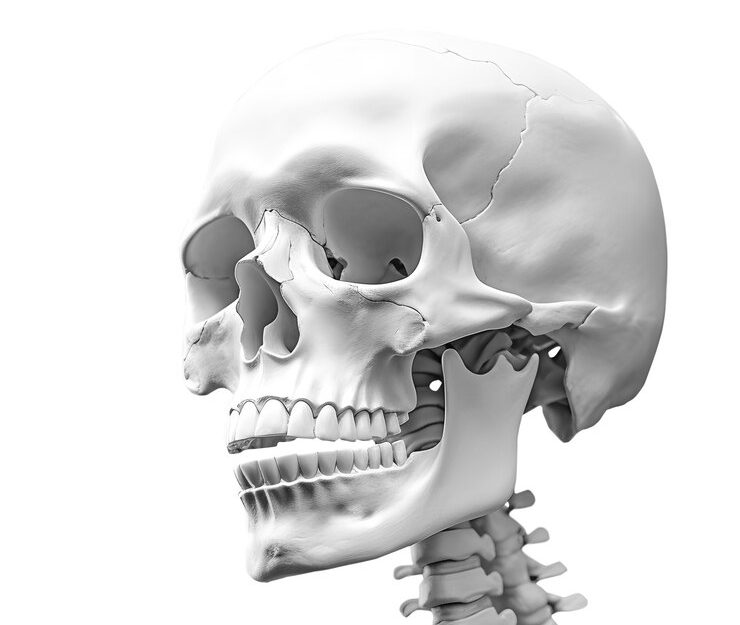
Osteoporosis does not only affect the spine, hips, or wrists, but it can also impact the jawbone. This makes dental and oral health an important consideration for osteoporosis patients. Without proper care, this condition increases the risk of tooth loss and other complications during dental procedures.
The Relationship Between Osteoporosis and Oral Health
Osteoporosis is a systemic disease that causes decreased bone density and an increased risk of fractures. The alveolar bone can also become porous, making osteoporosis patients more vulnerable to periodontal disease, loose teeth, and even tooth loss.
A study by FKG UGM student Shinta Wisnu Ariyani, under the guidance of Dr. drg. Rini Widyaningrum, M. Biotech and drg. Silviana Farrah Diba, Sp.RKG. using panoramic radiographs, found that artificial intelligence (AI) technology has potential in early detection of osteoporosis risks through dental imaging. The study suggests that panoramic radiographs, assisted by AI, could serve as a non-invasive screening tool to detect changes in jawbone structure, offering dentists an important opportunity for early osteoporosis detection during routine examinations.
Challenges in Dental Care for Osteoporosis Patients
Key challenges include:
- Fragile jawbones, making dental implants or extractions high-risk.
- Antiresorptive medications like bisphosphonates, which can cause jaw osteonecrosis (ONJ), especially after dental surgery.
- Slow wound healing due to reduced bone regeneration capacity.
A careful approach and open communication between dentists and patients are crucial for successful care.
Safe and Effective Dental Care Strategies
- Regular Check-ups and Early Detection
Osteoporosis patients are advised to undergo regular dental examinations. With panoramic radiographs, dentists can monitor jawbone density. AI can support the assessment of osteoporosis risk based on radiographic indicators. - Non-Invasive Treatments
Focus on conservative treatments such as plaque cleaning, scaling, and root planing to prevent inflammation without risky surgical procedures. - Oral Hygiene Education
Maintaining thorough dental and gum hygiene is essential to prevent infections that require invasive procedures. Brushing twice daily with fluoride toothpaste and flossing are basic mandatory steps. - Collaboration with Orthopedic Doctors
If patients take osteoporosis medications like bisphosphonates or denosumab, dentists need to know the medical history and evaluate risks before performing any procedures. - Choosing Safe Dental Treatments
Dental implants may not be ideal for osteoporosis patients with very weak jawbones. Alternatives such as removable dentures may be safer options.
***
Osteoporosis patients require a specialized approach to dental care. Combining early detection using AI on panoramic radiographs, patient education, and interdisciplinary collaboration is key to maintaining oral health. With proper strategies, osteoporosis patients can enjoy a good quality of life without compromising dental and oral health.
References
Shinta Wisnu Ariyani, Dr. drg. Rini Widyaningrum, M. Biotech ; drg. Silviana Farrah Diba, Sp.RKG., Diagnostic Performance of Artificial Intelligence for Osteoporosis Detection on Panoramic Radiographs, https://etd.repository.ugm.ac.id/penelitian/detail/224887
AAuthor: Rizky B. Hendrawan | Foto: Freepik

