
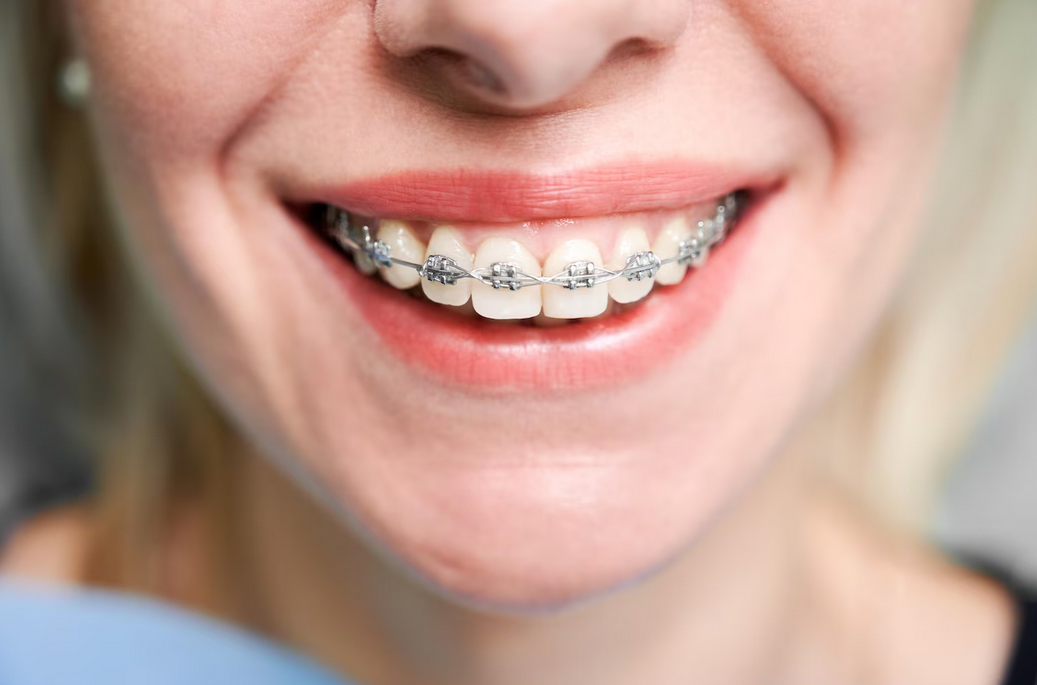
Orthodontics is not limited to adolescents. Adult patients are increasingly seeking orthodontic treatment due to greater awareness of oral health, aesthetics, and optimal masticatory function. However, adult patients present unique challenges, including mature periodontal structures, nearly completed skeletal growth, different biological responses, and varied motivational factors.
Before discussing the challenges and solutions in adult patients, it is useful to examine how orthodontic motivation plays a role in individuals approaching adulthood. A study conducted by a student of the Faculty of Dentistry, Universitas Gadjah Mada (FKG UGM), Kurnia Sigma Yanti, under the supervision of drg. Christnawati, M.Kes, Sp.Ort(K), and Dr. drg. Cendrawasih Andusyana Farmasyanti, M.Kes.Sp.Ort(K), entitled “Motivasi Perawatan Ortodonti Lepasan Pasien Remaja Akhir RSGM Prof. Soedomo UGM”, provides important insights.
Findings on Motivation for Removable Orthodontic Treatment in Late Adolescents
Based on this research:
- The research subjects were removable orthodontic patients aged 17–25 years at RSGM Prof. Soedomo UGM, totaling 112 individuals.
- Motivation was assessed using a questionnaire that had been tested for validity and reliability and analyzed using the Chi-square test.
- The main finding showed that intrinsic motivation (mean score ≈ 3.048) had a stronger influence on removable orthodontic treatment than extrinsic motivation (≈ 2.857).
- There was a gender-based difference in motivation: late-adolescent females (≈ 3.180) demonstrated higher motivation than males (≈ 2.725).
Challenges in Orthodontic Treatment for Adult Patients
Drawing from the study findings and clinical experience, several challenges commonly encountered in adult orthodontic patients include:
- Motivation and Compliance
- Adult patients often have more complex motivations, encompassing not only aesthetics but also comfort, periodontal health, pain concerns, social appearance, and cost.
- Intrinsic motivations—such as self-improvement, increased self-confidence, and comfort—are often stronger than extrinsic motivations, such as social pressure or external expectations.
- The UGM study shows that intrinsic motivation dominates in late adolescents, suggesting that motivation may be even more critical to reinforce in adult patients.
- Different Biological Responses
- In adults, the periodontal tissues are fully mature, bone turnover is slower, and tissue regeneration may be less optimal compared to adolescents.
- Potential risks such as gingivitis, gingival recession, and alveolar bone loss must be carefully considered.
- Aesthetic Concerns and Time Commitment
- Adult patients often have higher aesthetic demands; appliance visibility, treatment duration, and frequency of visits are key considerations.
- Removable orthodontic appliances or clear aligners may be preferred, but their effectiveness depends heavily on patient compliance.
- Case Complexity
- A combination of malocclusion, extraction requirements, space limitations, skeletal or temporomandibular joint issues, and previously treated teeth can increase case complexity.
- Cost and Accessibility
- Orthodontic treatment often involves relatively high costs, especially when aesthetic options or advanced technologies are used.
- Limited access to clinics with modern technology, materials, and specialized expertise can also be a barrier.
Solutions and Strategies for Adult Patients
To address these challenges, several practical solutions can be applied:
- Strengthening Intrinsic Motivation
- Patient counseling to understand individual expectations, set realistic personal goals, and emphasize the long-term benefits of treatment.
- Patient education regarding aesthetic outcomes, dental function, and overall oral health impact.
- Appropriate Appliance Selection
- Removable orthodontic appliances, clear aligners, or more aesthetic devices may be more appealing due to reduced visibility.
- Effectiveness must still be ensured, particularly in complex cases.
- Individualized Case Management
- Comprehensive evaluation of periodontal status, bone condition, malocclusion severity, and extraction needs.
- Adjunctive treatments such as periodontal therapy prior to orthodontics and additional anchorage when necessary.
- Technology and Digitalization
- Digital scanning, personalized treatment planning, and outcome simulations to help patients understand the process and expected results.
- Use of appliances designed to minimize pain and side effects.
- Flexibility in Time and Cost
- Payment plans and selection of cost-effective yet high-quality materials or appliances.
- Efficient scheduling of follow-up visits to reduce the burden of frequent clinic attendance.
Conclusion
- Adult patients can achieve successful orthodontic outcomes when intrinsic motivation is strong, biological conditions are favorable, and cases are matched appropriately to appliance capabilities and clinical resources.
- The UGM study on late adolescents demonstrates that intrinsic motivation is more dominant than extrinsic motivation and that gender-based differences exist—findings that are highly relevant for communication strategies and treatment planning in adult patients.
- Clinics and orthodontists should adopt patient-centered approaches that emphasize motivation, provide aesthetic and innovative options, and carefully consider periodontal and biological factors to achieve optimal outcomes.
References
KURNIA SIGMA YANTI, drg. Christnawati, M.Kes, Sp.Ort(K); Dr. drg. Cendrawasih Andusyana Farmasyanti, M.Kes.Sp.Ort(K), MOTIVASI PERAWATAN ORTODONTI LEPASAN PASIEN REMAJA AKHIR RUMAH SAKIT GIGI DAN MULUT PROFESOR SOEDOMO FAKULTAS KEDOKTERAN GIGI UNIVERSITAS GADJAH MADA, https://etd.repository.ugm.ac.id/penelitian/detail/93367
Author: Rizky B. Hendrawan | Photo: Freepik

