
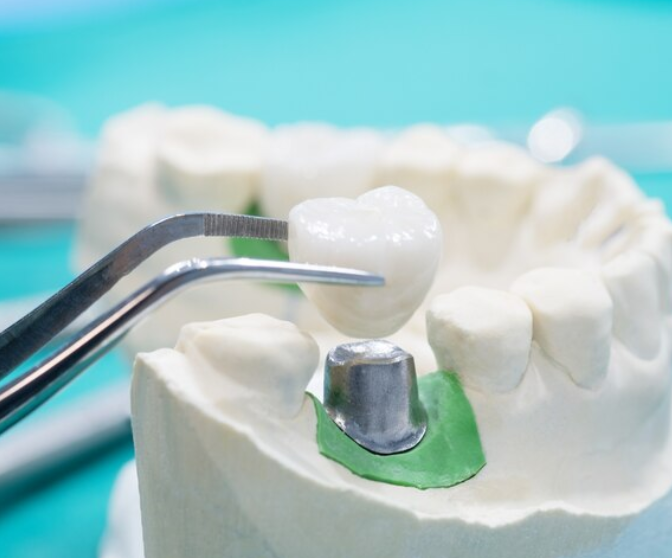
In modern dentistry, oral implants have become one of the primary solutions for replacing missing teeth. The long-term success of implants greatly depends on the biological stability and durability of the materials used. This is where biomaterials play a vital role in determining whether an implant can last and function optimally inside the human oral cavity.
The Importance of Biomaterials in Dental Implants
Biomaterials used in dental implants must meet several key criteria, including:
- High biocompatibility, to avoid rejection or inflammation
- Resistance to chewing forces
- Os seointegration capability—biological fusion with the jawbone
- Resistance to corrosion and degradation in the oral environment
For this reason, the development and innovation of biomaterial selection and modification have become central to research in prosthodontics and implantology.
Magnesium Hydroxide as Implant Coating
One recent approach is the use of coating materials on implant surfaces to enhance interaction between implants and body tissues. One material that has been studied intensively is magnesium hydroxide (Mg(OH)₂).
In a study entitled “The Effect of Magnesium Hydroxide Concentration as a Dental Implant Coating on Fibroblast Cell Viability”, conducted by UGM dentistry student Hestiana Putri Nugroho under the supervision of Prof. Dr. drg. Widowati Siswomihardjo, M.S., and Dr. drg. Harsini, M.S., it was found that the right concentration of magnesium hydroxide positively affects fibroblast cell viability, which plays an important role in healing and soft tissue integration around implants.
This finding indicates that magnesium hydroxide coating not only improves biocompatibility but also accelerates tissue regeneration, which is critical to achieving long-term implant stability.
Direct Impact on Implant Durability
The choice of biomaterials and surface coating techniques can directly affect:
- The healing process after implant placement
- Resistance to mechanical stress and acidic conditions in the mouth
With more innovative and stable biomaterials, such as magnesium hydroxide, the risk of implant failure can be minimized while significantly improving patient comfort.
***
Modern biomaterials, including magnesium hydroxide as a coating, have the potential to play a key role in enhancing the stability and durability of oral implants. The development of implant materials that are not only strong but also supportive of soft and hard tissue regeneration is crucial for achieving optimal, safe, and long-lasting treatment outcomes.
References
Hestiana Putri Nugroho, Prof. Dr. drg. Widowati Siswomihardjo, M.S.; Dr. drg. Harsini, M.S., The Effect of Magnesium Hydroxide Concentration as a Dental Implant Coating Material on Fibroblast Cell Viability, https://etd.repository.ugm.ac.id/penelitian/detail/249009
Author: Rizky B. Hendrawan | Editor: drg. Aulia Ayub, Sp.Ort
Photo: Freepik

