
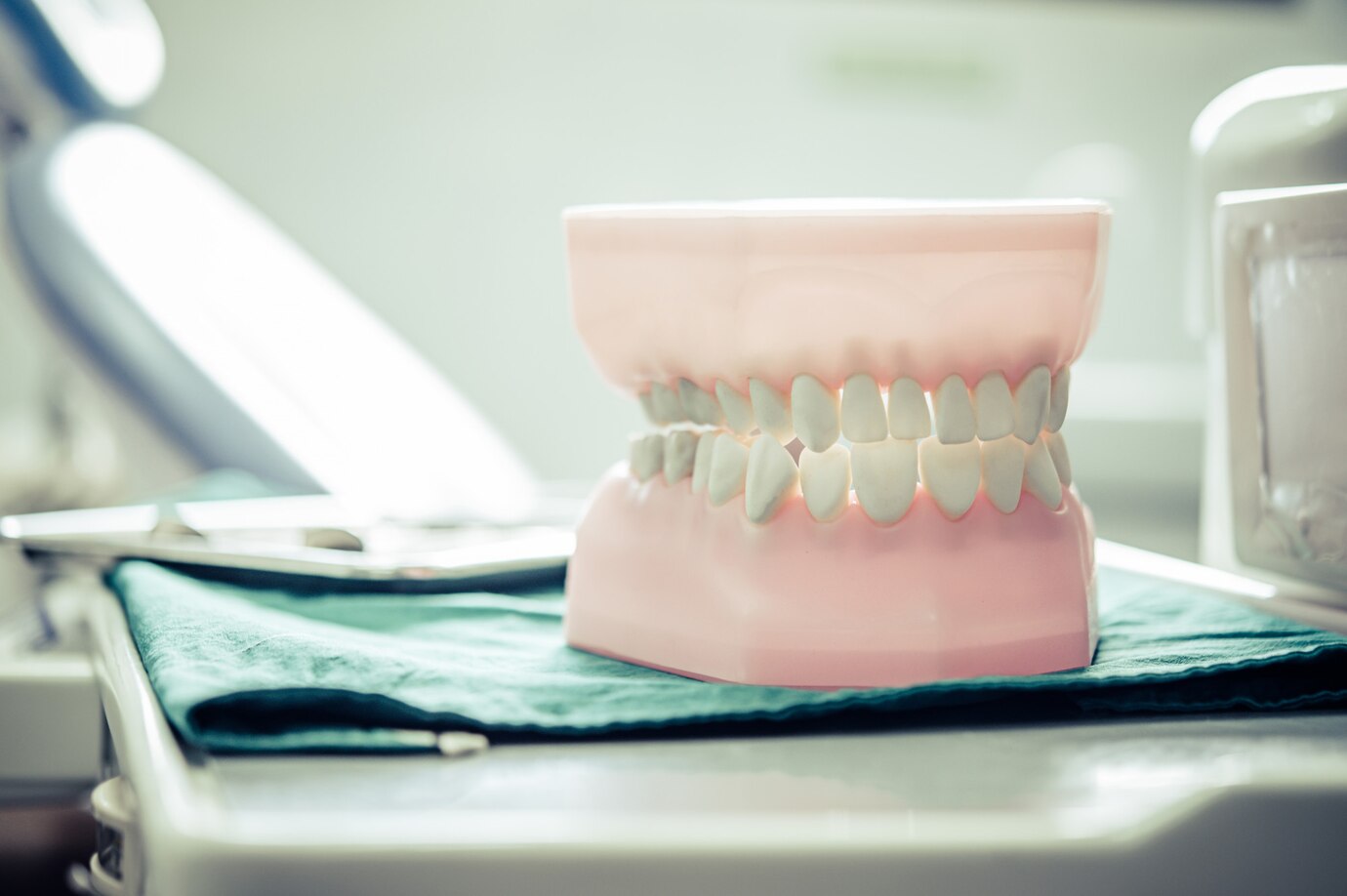
Malocclusion, or disharmony in tooth alignment, impacts not only functional aspects (such as chewing and speech) but also affects the aesthetic and psychosocial well-being of adolescents. This study evaluates how the severity of malocclusion is associated with quality of life, particularly the psychosocial status of adolescents in urban and rural areas.
Related Research
A study conducted by UGM Faculty of Dentistry student Muhammad Eldo Fadzhani, under the supervision of drg. Josephine C. Paula Heryumani Sulandjari, MS, Sp.Ort(K) and Dr. drg. Dyah Karunia, Sp.Ort(K), titled “The Relationship Between Malocclusion Severity and Psychosocial Status of Adolescents in Urban and Rural Areas (Study on High School Students in Sleman, Yogyakarta)”, demonstrated a significant relationship between malocclusion severity and reduced psychosocial conditions among adolescents, both in urban and rural settings.
Key Findings from the UGM Study
- The prevalence of malocclusion among adolescents is high and negatively affects aesthetics, function, and speech quality, influencing self-confidence and social interaction.
- Malocclusion severity was measured using the Dental Aesthetic Index (DAI), while psychosocial status was assessed using the PIDAQ (Psychosocial Impact of Dental Aesthetic Questionnaire).
- The study involved 187 students from urban areas and 111 students from rural areas in Sleman.
- A significant positive relationship was found between malocclusion severity and psychosocial status:
- Correlation coefficients: 0.501 (urban) and 0.420 (rural), indicating moderate to strong associations.
- No significant differences were found regarding psychosocial perception of malocclusion between urban and rural adolescents.
Impact on Adolescents’ Quality of Life
- Reduced Self-Confidence
Severe malocclusion may cause adolescents to feel self-conscious about their dental appearance, affecting social interactions and self-esteem. - Equal Need for Intervention
Regardless of whether adolescents live in urban or rural settings, similar psychosocial impacts emerge, indicating the need for equitable access to orthodontic care and psychosocial support. - Importance of Comprehensive Assessment
The use of tools such as DAI and PIDAQ is essential to understand the impact of malocclusion not only clinically, but also psychosocially.
***
This study confirms a clear relationship between malocclusion severity and decreased psychosocial quality of life among adolescents, with no difference between urban and rural populations. Severe malocclusion increases the risk of psychosocial challenges, including reduced self-confidence and limitations in social interaction. By recognizing these impacts, orthodontic interventions and dental health education for adolescents can be designed more holistically—not only to correct dental alignment but also to enhance psychosocial well-being.
References
MUHAMMAD ELDO FADZHANI, drg. Josephine C. Paula Heryumani Sulandjari, MS, Sp.Ort(K), Dr. drg. Dyah Karunia, Sp. Ort(K), The Relationship Between Malocclusion Severity and Psychosocial Status of Adolescents in Urban and Rural Areas (Study on High School Students in Sleman, Yogyakarta), https://etd.repository.ugm.ac.id/penelitian/detail/82425
Author: Rizky B. Hendrawan | Photo: Freepik

