
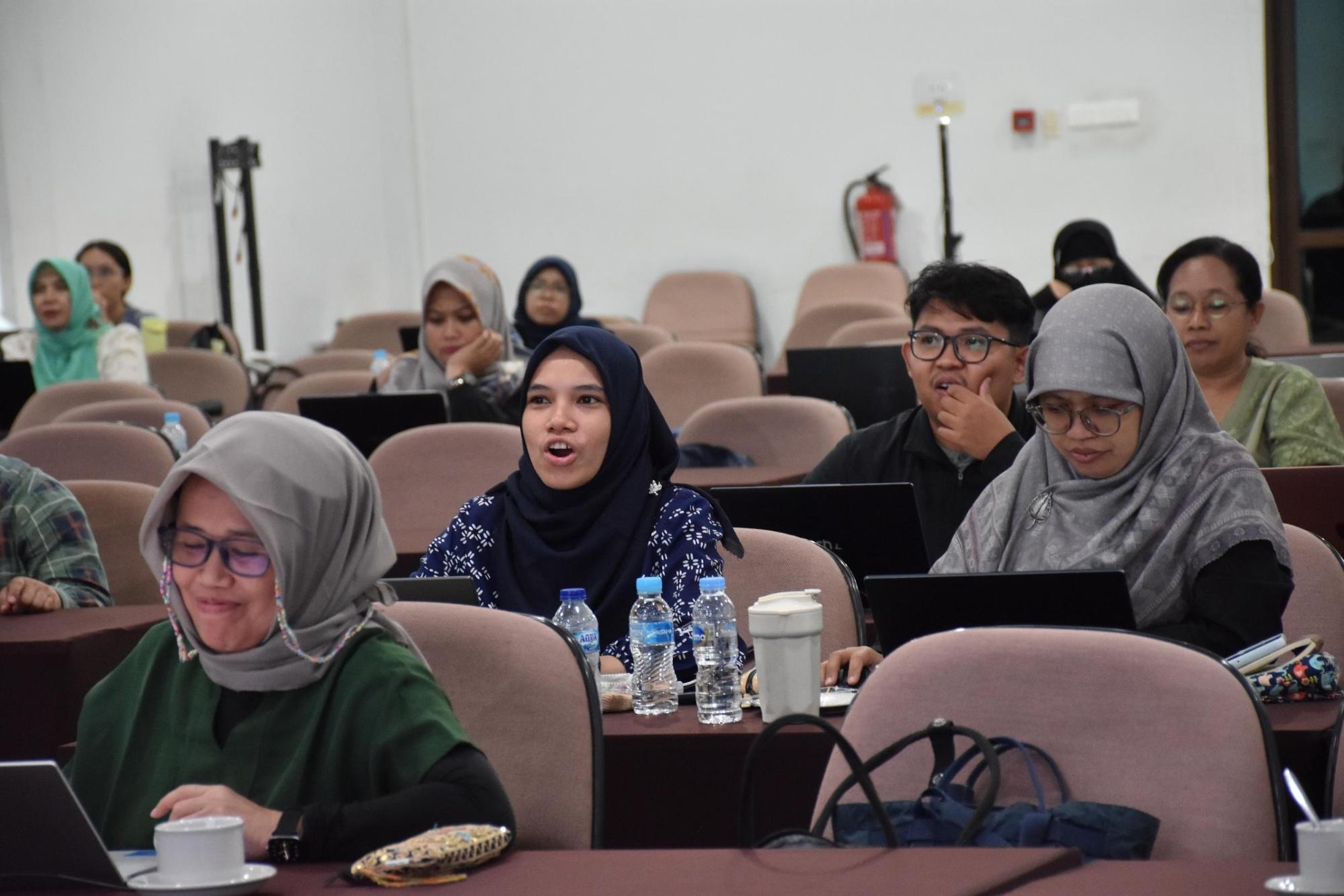
The second day of the meeting discussed the establishment and benefits of a research collaboration center, highlighting its role in facilitating access to research funding and tools. Participants emphasized the importance of collaboration and shared resources, noting that the center has supported various research projects and publications. They also highlighted the need for continuous development and enhancement of the center’s facilities and capabilities.
This meeting focused on bibliometric research methods and their applications in academic research. Participants discussed the process of conducting bibliometric analysis, including keyword selection, data collection from databases such as Scopus and Web of Science, and data visualization using tools such as VOSviewer and Gephi. They emphasized the importance of collaboration between researchers and librarians in conducting bibliometric studies, particularly in identifying relevant keywords and accessing appropriate databases. The discussion also addressed the role of bibliometric analysis in identifying research trends, mapping collaboration among researchers, and evaluating the impact of research outputs.
Data Cleaning and Keyword Extraction
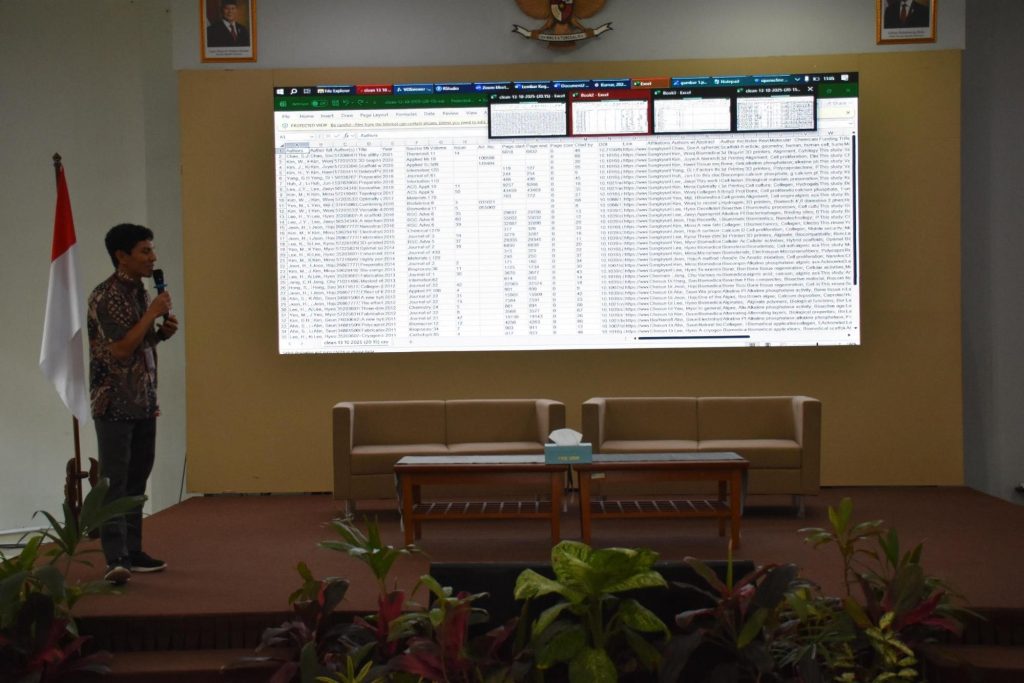
This session focused on data cleaning and keyword extraction for research projects. The team discussed using OpenRefine to process data, with Mr. Yusuf and Mr. Bayu explaining the steps involved. They encountered several technical difficulties due to internet constraints, but successfully demonstrated the process of identifying and filling in missing automated keywords. The team also explored the use of ChatGPT to help eliminate excessive keywords and generate new ones. They emphasized the importance of adhering to ethical guidelines when working with research data, particularly regarding intervention in published papers.
Automated Data Cleaning and Standardization
Data cleaning and keyword processing were conducted using automated systems. Participants discussed the use of autofill features, validation processes, and the importance of maintaining consistency in keyword entries. They addressed issues related to system changes, subjective interventions, and the need for standardization in keyword formats. The group also discussed steps for exporting cleaned data and organizing files into a single folder for further processing.
They emphasized the importance of proper folder organization to avoid confusion. The team planned to continue their work the following day, focusing on completing the keyword clustering process.
Bioinformatics Software Installation Guidelines
This session covered the installation and configuration of software for bioinformatics and data analysis, particularly R Studio and Force Viewer. Participants discussed the process of downloading, extracting, and installing these programs, with an emphasis on ensuring that Java is up to date. They also discussed system requirements, such as Windows 10 and a minimum of 4 GB of RAM, and mentioned potential challenges such as crashes during installation. The session concluded with instructions to complete the installation process and open R Studio.
At the end of the event, Prof. Ika stated that Indonesia’s contribution to global scientific research remains very limited, despite the country’s vast potential as a source of research topics for national advancement. This moment is expected to spur motivation among lecturers and researchers to be more persistent in producing scientific works, supported by increasingly advanced information technology infrastructure.
Author & Photo: Andri Wicaksono

