
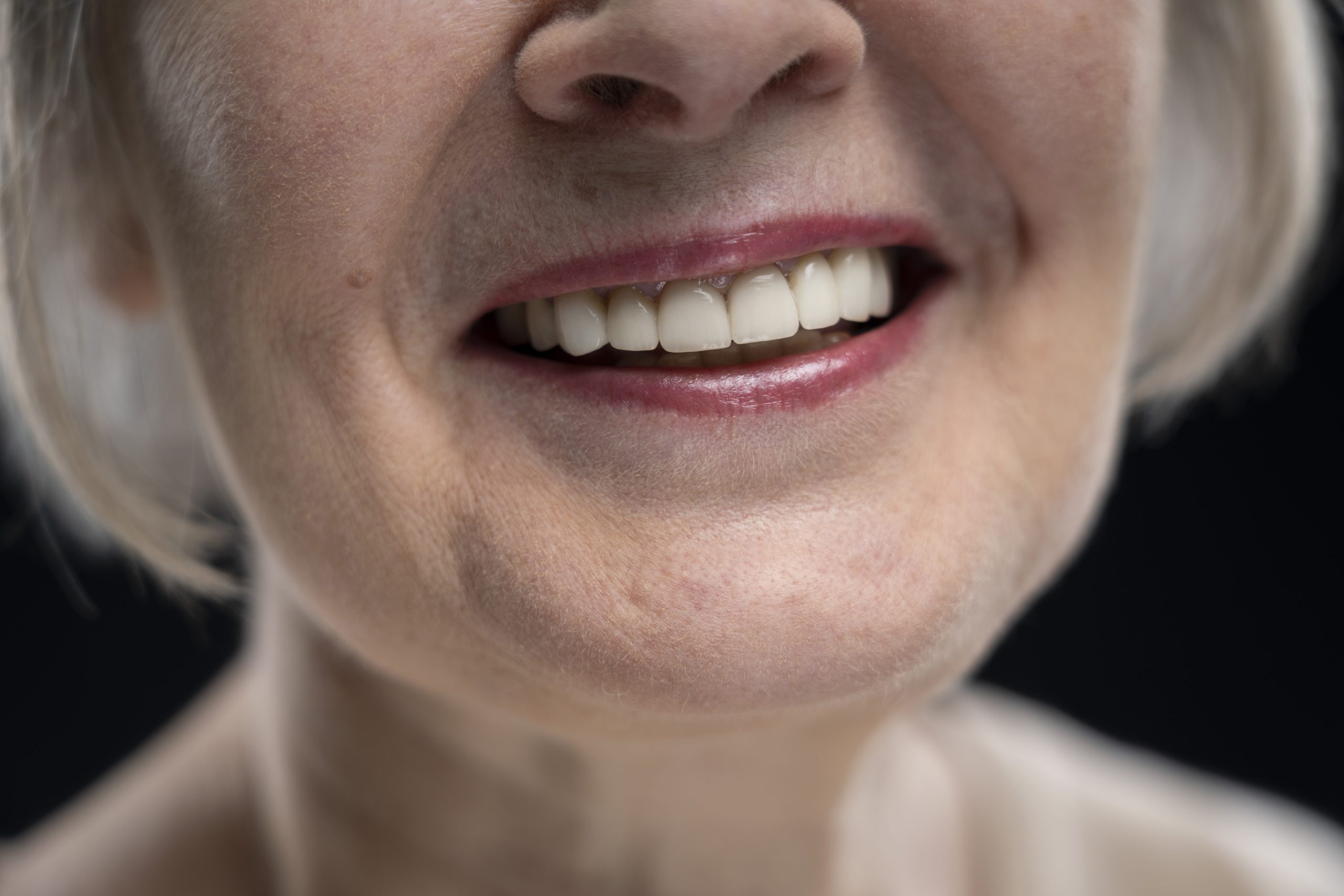
Imagine a 68-year-old grandmother who refuses to join her extended family for a meal. Not because she does not want to, but because chewing has become an ordeal. Her mouth feels dry throughout the day, most of her teeth are gone, and her self-confidence is gradually fading. Stories like this are not uncommon. In Yogyakarta, such conditions were experienced by the majority of older adults who participated in research led by Prof. Dr. drg. Dewi Agustina, MDSc, from the Department of Oral Medicine, Faculty of Dentistry, Universitas Gadjah Mada.
The findings were both surprising and concerning: seven out of ten older adults in Yogyakarta had poor oral health-related quality of life. Among all the factors examined, two conditions emerged as particularly important risk factors: xerostomia (dry mouth) and a low number of natural occluding pairs of teeth.
When the Mouth Can No Longer Be Relied Upon
Published in the European Journal of Dentistry (2023), this study involved 153 adults aged 60 years and older from five elderly community health posts (Posyandu Lansia) across three districts of Yogyakarta: Danurejan, Gedongtengen, and Jetis. Participants underwent comprehensive examinations, including oral hygiene assessments, periodontal tissue evaluations, the DMFT index (decayed, missing, and filled teeth), and the number of natural occluding pairs (NOP), referring to pairs of upper and lower teeth that still come into contact during biting.
In addition, each participant was interviewed using the Xerostomia Inventory and the Indonesian version of the Geriatric Oral Health Assessment Index (GOHAI) to assess their subjective perceptions of oral comfort, function, and psychosocial well-being.
Of the 153 participants, 108, or 70.6%, were categorized as having low oral health-related quality of life (OHRQoL). This means that most of these older adults experienced tangible effects of their oral conditions on daily life, ranging from difficulty eating and sleep disturbances to social withdrawal.
Two Factors That Double the Risk
Of the six variables statistically tested, only two were shown to significantly increase the risk of poor quality of life: xerostomia and having five or fewer natural occluding pairs.
Multivariate analysis showed that older adults with xerostomia had a 2.5-fold higher risk of poor OHRQoL than those without xerostomia. The same was true for those with five or fewer occluding pairs: their risk was also 2.5 times higher.
“Xerostomia and NOP ≤5 are major risk factors contributing to poor OHRQoL among older adults in Yogyakarta. Older adults experiencing xerostomia or having NOP ≤5 are 2.5 times more likely to have poor OHRQoL.” — Prof. Dr. drg. Dewi Agustina, MDSc, principal investigator
Xerostomia is more than just an uncomfortable sensation. It interferes with the vital functions of saliva, including naturally cleansing the oral cavity, neutralizing acidity, helping form food boluses, and enabling people to taste food. When saliva production decreases—or when the mouth simply feels dry—the consequences can cascade: oral hygiene deteriorates, caries develops, periodontal disease progresses, and teeth are eventually lost.
According to the study data, 60.1% of participants experienced xerostomia, while 71.9% had a high DMFT index and 73.2% had five or fewer occluding pairs. These figures are more than statistics; they depict mouths that have already lost much of their functional capacity.
Why Medications May Be a Major Suspect
One finding that deserves particular attention is the high prevalence of xerostomia compared with objectively measured hyposalivation. Although 60.1% of participants reported symptoms of dry mouth, only 26.1% were clinically confirmed to have reduced salivary flow.
This discrepancy provides an important clue. Many of the older adults in the study had hypertension (42 participants) or diabetes mellitus (18 participants), and most were taking antihypertensive medications with xerogenic effects, meaning that they can reduce saliva production as a side effect. It is estimated that approximately 80% of medications prescribed to older adults have xerogenic effects. This creates a vicious cycle: chronic diseases require medication, medication worsens oral conditions, and poor oral health reduces quality of life.
Gender also emerged as a factor in the data. Older women tended to report poorer OHRQoL than men, not because their clinical oral conditions were necessarily worse, but because women generally have higher standards and expectations regarding their own health and may therefore evaluate their quality of life more critically.
From Community Health Posts to Policy: What Can Be Done?
The study did not stop at diagnosing the problem. Prof. Dewi Agustina and her team emphasized that these findings should serve as a reference for policymakers in designing more targeted oral health programs for older adults. One concrete recommendation is prosthodontic rehabilitation, including the use of dentures for older adults who have lost many teeth, as a way to improve OHRQoL while reducing anxiety and improving perceptions of oral moisture.
At the same time, the study highlights the need for OHRQoL assessment instruments that genuinely reflect the Indonesian context. The GOHAI used in this study was adapted from an instrument developed overseas. Developing assessment tools that truly respond to the values, culture, and educational backgrounds of Indonesians, particularly older adults in different regions, is an urgent step.
Yogyakarta is known for having the highest life expectancy in Indonesia, while its proportion of older adults continues to grow. Ironically, living longer does not necessarily mean living comfortably. As long as dry mouth is considered normal simply because someone is “old,” and missing teeth are left untreated without rehabilitation, the additional years of life achieved statistically will continue to be lived with discomfort that could potentially be prevented.
Source DOI: DOI: 10.1055/s-0042-1757566
Authors: Anny Anggraini; drg. Achmad Zam Zam Aghasy, M.Kes.
Photo: Freepik