
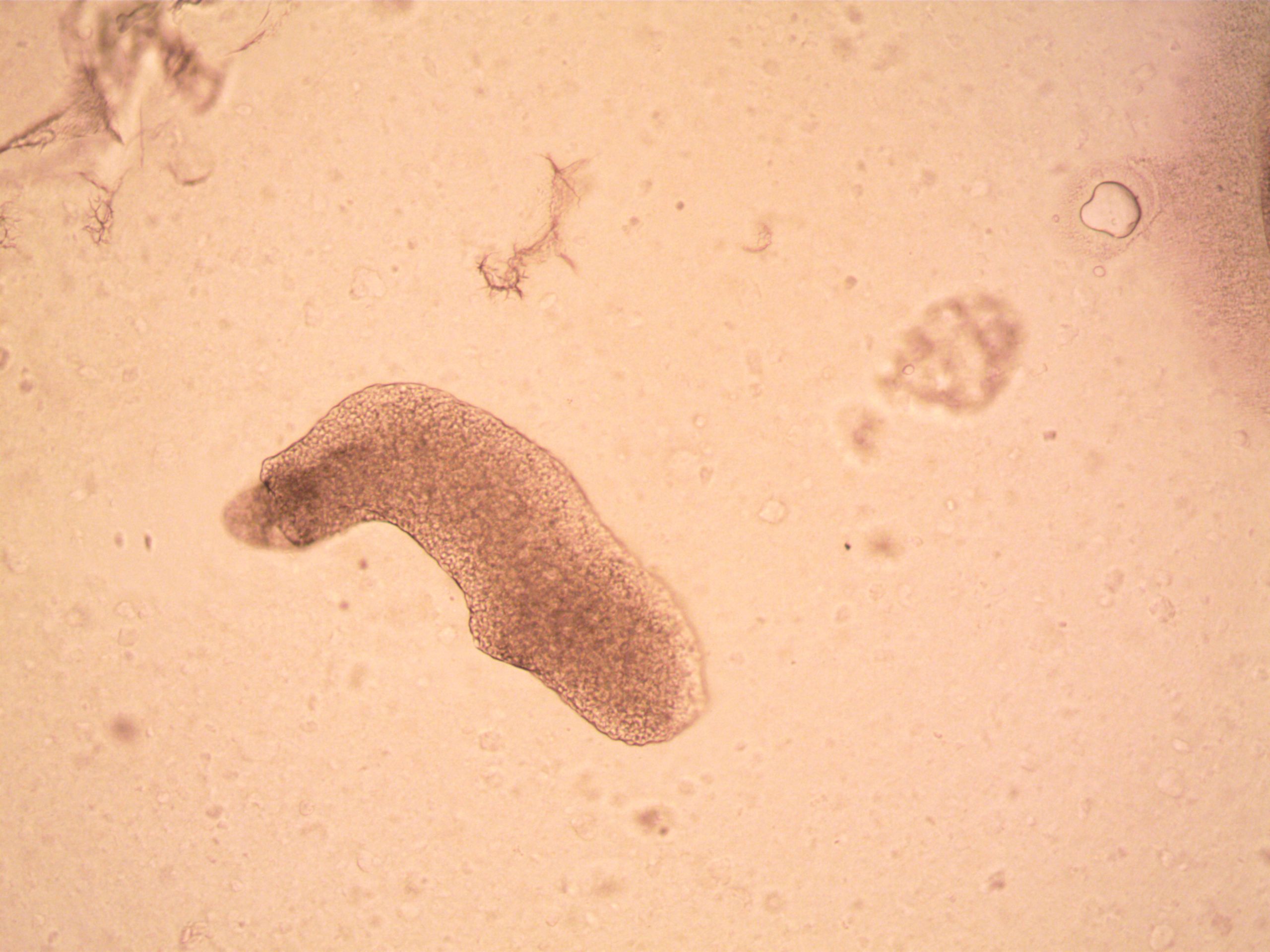
Imagine an immune cell that is supposed to serve as the body's frontline defence suddenly losing its ability to recognise an enemy. This is what happened in a laboratory experiment conducted by Prof. drg. Tetiana Haniastuti, M.Kes., Ph.D., from the Department of Oral Biology, Faculty of Dentistry, Universitas Gadjah Mada. The subject was simple: essential oil extracted from Kaempferia galanga rhizomes, a plant more commonly associated with cooking and traditional herbal medicine. The results, however, were far from simple.
Kencur, Periodontal Bacteria, and Cells That No Longer Recognise Their Enemy
The study centred on two main actors: peritoneal macrophages from Balb/C mice and Actinobacillus actinomycetemcomitans, a Gram-negative bacterium known as one of the pathogens responsible for periodontal disease. This bacterium is no ordinary resident of the oral cavity. It has been found in gingival tissues of patients with juvenile periodontitis, adult periodontitis, and prepubertal periodontitis, and it can stimulate host cells to produce inflammatory mediators that ultimately lead to connective tissue destruction and alveolar bone resorption.
Macrophages, on the other hand, are cells that normally "engulf" pathogenic bacteria through a process known as phagocytosis. They recognise bacteria through cell-surface receptors, including the CD14 molecule, which specifically recognises bacterial lipopolysaccharide complexes. Once bacteria are detected, macrophages engulf them and activate a cascade of immune responses.
Prof. Tetiana's question was simple yet incisive: what happens to the phagocytic ability of macrophages if the cells are first exposed to kencur essential oil?
From Distillation to a 24-Well Plate
Kencur essential oil was obtained through distillation and dissolved in 5% polyethylene glycol (PEG) at three different concentrations: 5%, 10%, and 20%. Macrophages at a concentration of 5 × 10⁵ cells per well were cultured in a 24-well plate and incubated for 24 hours at 37°C in an atmosphere containing 5% CO₂.
After incubation, kencur essential oil was added and allowed to act for 15 minutes. Then, 10⁶ cells of A. actinomycetemcomitans strain Y4 were added to the suspension, and incubation continued for another 30 minutes. The cells were then fixed with methanol, stained with 20% Giemsa, and examined under a light microscope. Two parameters were measured: the number of macrophages out of 100 cells that successfully phagocytosed bacteria and the number of bacteria engulfed by each active macrophage.
The results spoke for themselves.
In the control group without essential oil, an average of 54.89 macrophages out of 100 successfully phagocytosed bacteria. This figure fell to 40.33 at a concentration of 5%, then dropped sharply to 15.22 at 10%, before increasing slightly to 15.89 at 20%. The number of bacteria engulfed per macrophage followed a similar pattern, decreasing from an average of 3.54 bacteria per cell in the control group to 2.71 at 5%, 2.78 at 10%, and 2.52 at 20%.
"Kencur essential oil was able to reduce the phagocytic activity of mouse macrophages against A. actinomycetemcomitans in vitro. A concentration of 10% was effective in reducing phagocytic activity." — Prof. drg. Tetiana Haniastuti, M.Kes., Ph.D., Department of Oral Biology, Faculty of Dentistry, UGM
ANOVA and Least Significant Difference (LSD) analysis confirmed that these differences were statistically significant (p < 0.05), particularly at concentrations of 10% and 20% compared with the control.
Why Do Macrophages "Forget" How to Recognise Bacteria?
The precise mechanism was not fully elucidated in this study, but Prof. Tetiana proposed a plausible hypothesis: active compounds in kencur essential oil, including ethyl ester cinnamic acid and ethyl ester p-methoxycinnamic acid, may interfere with the stability of proteins on the macrophage cell membrane. When receptors on the cell surface are disrupted, macrophages may lose their ability to recognise A. actinomycetemcomitans. No recognition, no phagocytosis.
This finding opens an interesting yet cautious perspective. On the one hand, excessive phagocytic activity can itself be harmful: activated macrophages release large amounts of enzymes and cytokines such as IL-1 and TNF-α into the extracellular tissue, ultimately triggering tissue destruction rather than healing. In this context, kencur could potentially be viewed as an immunomodulatory agent—a substance that modulates rather than simply suppresses or stimulates the immune response.
On the other hand, a critical question remains: if phagocytosis is suppressed too extensively, could pathogenic bacteria instead gain greater opportunity to proliferate? The boundary between therapeutic modulation and counterproductive suppression is an area that still requires further investigation.
A Traditional Herbal Remedy with Unanswered Scientific Questions
Kencur has long been used in Indonesia to treat headaches, stomach aches, toothaches, and rheumatism. This practice is not entirely without scientific basis; cinnamate derivatives in its essential oil are known to possess antipyretic and analgesic activities. However, empirical evidence regarding its immunomodulatory effects at the cellular level has only recently begun to emerge through studies such as this one.
Prof. Tetiana's research provides an important starting point: kencur is not merely a culinary spice or traditional herbal remedy, but a potential immunomodulatory agent whose mechanism of action needs to be understood more carefully before it can be translated into clinical applications. The path from a laboratory Petri dish to the treatment chair for periodontal patients remains a long one, but at least an initial map now exists.
DOI: —
Authors: Anny Anggraini; drg. Achmad Zam Zam Aghasy, M.Kes.
Photo: Pixels