
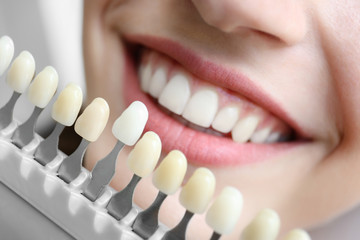
Tooth whitening, or bleaching, uses chemicals such as hydrogen peroxide or carbamide peroxide to remove stains from teeth. Although effective, this procedure often causes tooth sensitivity. The sensitivity occurs because the chemicals open the enamel pores, making the dentin—the inner layer of the tooth that contains nerves—more vulnerable to stimuli such as heat, cold, or acidic foods.
Sensitivity usually lasts 3–7 days after the procedure but can vary in intensity depending on the bleaching agent concentration, application duration, and initial tooth condition. Whitening can also cause gum irritation, enamel erosion, and, in rare cases, pulp damage if not done carefully.
How to Reduce Sensitivity Risk:
- Consulting a Dentist: Ensure your teeth and gums are healthy before undergoing whitening.
- Use Low-Concentration Products: For at-home treatments, opt for lower peroxide levels to minimize risks.
- Use Specialized Toothpaste: Toothpaste for sensitive teeth can help close open enamel pores.
- Avoid Extreme Temperatures: Refrain from consuming hot, cold, or acidic foods for a few days post-procedure.
With proper care, post-whitening sensitivity can be managed, allowing you to enjoy a bright smile without discomfort. This aligns with SDG 3 (Good Health and Well-being).
Author: Rizky B. Hendrawan | Photo: Freepik