
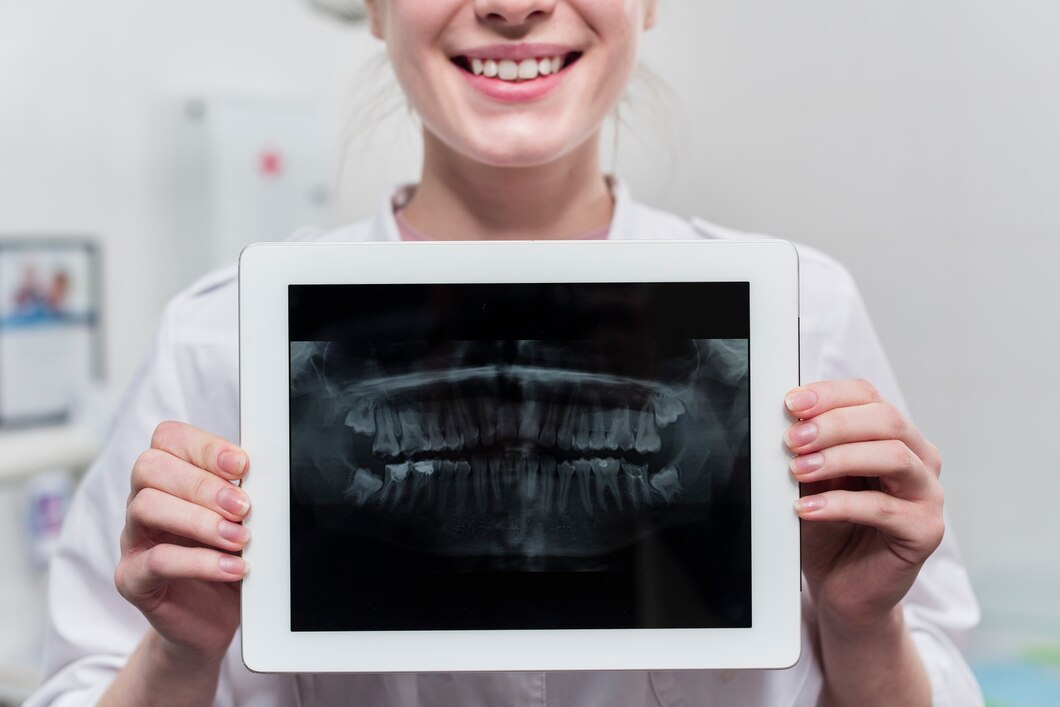
Wisdom teeth, or third molars, often cause problems for many people. These teeth can grow incorrectly, leading to various complications, including infections. Here are some reasons why impacted wisdom teeth can cause infections:
Food and Plaque Accumulation
- Cleaning Difficulty: Impacted wisdom teeth are often hard to reach for cleaning. Prof. drg. Soelistiono, Sp.BM(K) , in his inaugural lecture, explained that wisdom teeth can disrupt the harmony of the chewing system. Consequently, food debris and plaque accumulate around the tooth, creating an ideal environment for bacterial growth.
- Inflammation: Plaque buildup can cause inflammation of the gums around the wisdom tooth. This inflammation, known as pericoronitis, can cause pain, swelling, and redness.
Limited Space
- Space Constraints: If wisdom teeth don’t have enough room to grow, they may grow at an angle or become impacted. This can create pockets between the tooth and gums that are prone to infection.
- Pressure on Other Teeth: Impacted wisdom teeth growing at an angle can exert pressure on surrounding teeth, causing misalignment and bite problems. This pressure can worsen inflammation and increase infection risk.
Bacteria and Infection
- Natural Bacteria: The human mouth is home to various bacteria. When there are wounds or gum inflammation, bacteria can enter and cause infection.
- Increased Infection Risk: Impacted wisdom teeth that are difficult to clean increase the risk of infection due to plaque buildup and inflammation. Infection can lead to abscesses (pus-filled pockets), severe pain, fever, and difficulty opening the mouth.
- Research by drg. Cahya Yustisia Hasan, Sp.BM.(K), and drg. Yosaphat Bayu Rosanto, MDSc., Sp.BMM(K) , shows potential use of natural substances like moringa leaf extract to inhibit bacterial growth, though further studies are needed for dental infection contexts.
Infection Symptoms
Symptoms of impacted wisdom tooth infection may include:
- Pain around the wisdom tooth
- Swollen, red, and tender gums
- Difficulty opening the mouth
- Bad breath
- Unpleasant taste in the mouth
- Fever
- Swollen lymph nodes in the neck
Treatment and Prevention
- Consult a Dentist: If you experience symptoms of an impacted wisdom tooth infection, consult a dentist promptly. The dentist will examine and recommend appropriate treatment.
- Wisdom Tooth Extraction: In many cases, removing the wisdom tooth is the best solution to prevent and treat infection.
- Other Treatments: May include antibiotics to control infection, pain relievers, and deep dental cleaning to remove plaque and bacteria.
- Prevention: Good oral hygiene, including brushing, flossing, and regular dental check-ups, helps prevent wisdom tooth problems.
***
Understanding why impacted wisdom teeth cause infection is crucial to maintaining oral health and preventing serious complications. This also aligns with Sustainable Development Goals (SDGs), including SDG 4 (Quality Education) for increased access to dental health education, SDG 9 (Industry, Innovation, and Infrastructure) for advances in treatment, and SDG 10 (Reduced Inequality) through policies ensuring equitable access to health services. These efforts aim to ensure everyone has the opportunity to receive quality dental care.
References
Prof. drg. Soelistiono, Sp.BM(K), Professor Soelistiono’s Inauguration: Impacted Wisdom Teeth Cause Chewing Dysfunction, https://ugm.ac.id/id/berita/1150-pengukuhan-prof-soelistiono-gigi-geraham-bungsu-sebabkan-gangguan-keharmonisan-alat-pengunyah/
drg. Cahya Yustisia Hasan, Sp.BM.(K), drg. Yosaphat Bayu Rosanto, MDSc., Sp.BMM (K), Effects of 40% and 80% Moringa oleifera Leaf Ethanol Extract on Streptococcus mitis Bacterial Growth, https://etd.repository.ugm.ac.id/penelitian/detail/185930
Author: Rizky B. Hendrawan | Photo: Freepik

