
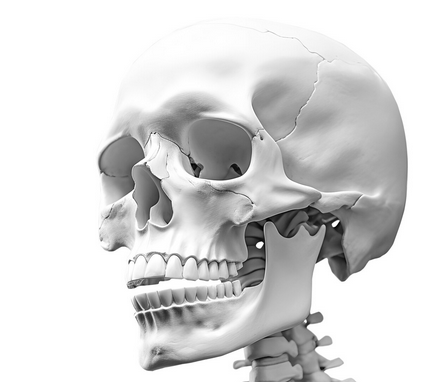
Osteomyelitis of the jaw is an infection of the bone and bone marrow that may be acute or chronic. In chronic suppurative cases, the infection persists for a long period, often forming sequestra (necrotic bone), and may lead to the development of external fistulas. A characteristic cause is odontogenic infection, such as untreated impacted third molars (wisdom teeth).
An article published in Jurnal MKGK FKG UGM, written by MKGK Heinz Frick Simanjuntak, Melita Sylvyana, and Fathurachman, reviewed a case of chronic suppurative mandibular osteomyelitis as a complication of impacted third molars and discussed its definitive clinical management and postoperative outcomes.
Case Overview
- Patient: A 26-year-old female with no significant systemic conditions.
- Chief complaint: Recurrent toothache for approximately six months in the right mandibular region, which progressed into an extraoral fistula over the past three months, accompanied by persistent swelling.
- Clinical examination:
- No fever, no significant lymph node enlargement, and stable general condition.
- Presence of an extraoral cutaneous fistula on the right mandible, pain on palpation, and intraoral findings of caries and exposed pulp in the impacted molar.
- Radiographic examination (panoramic radiograph):
- Partially impacted third molar (tooth 48) with deep caries penetrating the pulp.
- Periapical radiolucency at the mesial root, indicating bone destruction around the affected root.
- Diagnosis: Chronic suppurative mandibular osteomyelitis as a secondary complication of impacted third molars.
Management
Management involved a combination of surgical intervention and pharmacological therapy:
- Definitive Surgical Treatment
- Sequestrectomy: Removal of necrotic bone (sequestrum).
- Debridement: Removal of granulation and necrotic tissue to eliminate infection and expose healthy bone. Jurnal Universitas Gadjah Mada
- Extraction of causative teeth: Including impacted third molars and related damaged teeth; in this case, all third molars and the second molar in the lower right jaw.
- Fistulectomy and sinus excision: Excision of the fistula and sinus tract to close the extraoral fistula and prevent external infection pathways.
- Antibiotic and Supportive Therapy
- During and after surgery, the patient received injectable antibiotics (Ceftriaxone) for a short period, followed by oral antibiotics (Cefadroxil and then Clindamycin) for two weeks.
- Analgesics, anti-inflammatory medication, oral hygiene care, and daily wound care with saline irrigation were also provided.
- Histopathological Examination
- Excised tissue was examined histopathologically, confirming the diagnosis of chronic suppurative mandibular osteomyelitis.
- Follow-up and Clinical Evaluation
- One week postoperatively, follow-up showed good recovery: intraoral wounds began to close, epithelialization was evident at the surgical site, and there were no significant pain complaints.
- Extended postoperative antibiotic therapy was recommended as clinically indicated until symptoms resolved.
Rationale and Therapeutic Principles
Based on this case report, several key principles in managing chronic suppurative jaw osteomyelitis can be concluded:
- Elimination of the infection source: Impacted molars with caries and pulp involvement are primary sources and must be managed through extraction or appropriate dental treatment.
- Removal of necrotic tissue (sequestra): Essential to allow antibiotics to reach viable tissue, as necrotic bone lacks adequate blood supply.
- Debridement and cleaning: Necessary to expose healthy bone and promote vascularization and regeneration.
- Appropriate antibiotic use: Proper selection, dosage, duration, and route of administration are critical for controlling local and systemic infection.
- Adjunctive procedures: Fistulectomy, sinus excision, and proper wound care significantly aid fistula resolution and prevent persistent infection.
Clinical Outcome
The case concluded with satisfactory results:
- Epithelial wound closure without significant pain one week postoperatively.
- Improvement in intraoral condition with no signs of further complications following surgical intervention and antibiotic therapy.
***
This case study demonstrates that untreated impacted mandibular third molars can lead to chronic suppurative mandibular osteomyelitis. Effective clinical management requires a combination of surgical intervention (sequestrectomy, extraction of causative teeth, fistula closure) and appropriate antibiotic therapy. Prompt and accurate diagnosis, well-planned treatment, and routine clinical follow-up are essential to achieve optimal healing.
References
MKGK, Heinz Frick Simanjuntak, Melita Sylvyana, Fathurachman, Osteomyelitis kronis supuratif mandibula sebagai komplikasi sekunder impaksi gigi molar tiga, https://jurnal.ugm.ac.id/mkgk/article/download/28778/17337
Author: Rizky B. Hendrawan | Photo: Freepik

