
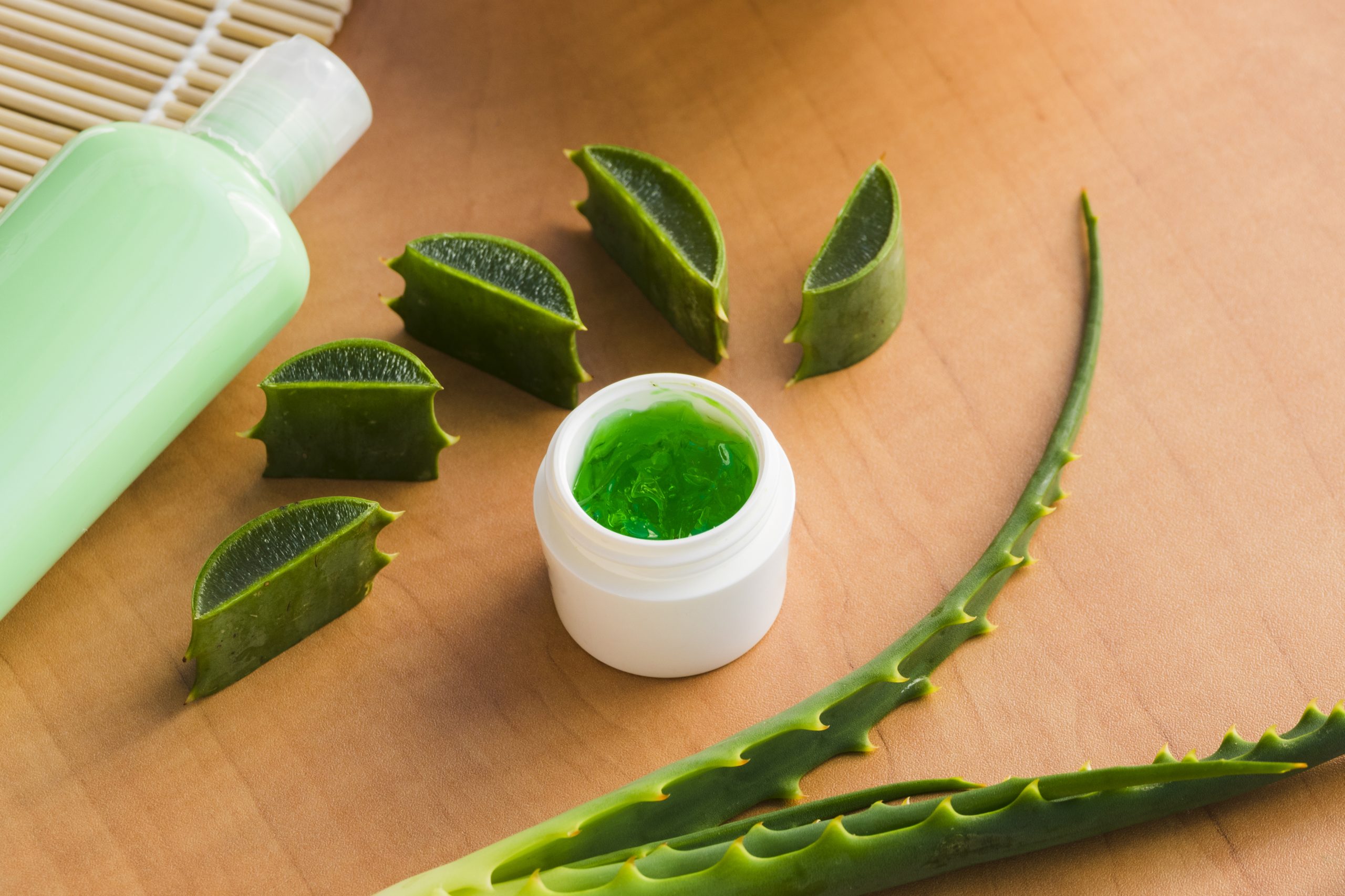
Every time someone sits in a dental treatment chair, there is a small but often overlooked risk: water flowing from instruments such as high-speed handpieces and syringes may carry harmful bacteria. One of the most concerning is Pseudomonas aeruginosa, an opportunistic bacterium known for its ability to form protective layers inside the pipes of dental unit waterlines (DUWLs). Now, researchers from the Department of Oral Biology, Faculty of Dentistry, Universitas Gadjah Mada, have found that a plant commonly grown in home gardens, aloe vera, may offer a natural means of weakening the bacterium's ability to adhere to surfaces.
When Water Pipes Become Bacterial Habitats
A dental unit waterline (DUWL) is a network of narrow tubes within a dental chair unit that supplies water to cool and irrigate the teeth during treatment. The problem is that these narrow tubes provide an ideal habitat for bacterial colonies. Studies conducted in various developed countries have reported P. aeruginosa contamination in dental unit water at rates ranging from 60 to 89 percent, while in India, the rate has reached 68 to 82 percent.
For patients with normal immune systems, exposure may not pose a significant problem. However, for older adults, people living with HIV, cancer patients, or people with diabetes, contaminated water can trigger serious nosocomial infections. P. aeruginosa possesses invasive and toxigenic properties that make it a significant concern in clinical environments.
The key to this bacterium's ability to survive and spread lies in one physicochemical property: hydrophobicity. Simply put, a hydrophobic bacterial cell surface is more likely to adhere to various surfaces, including human tissues. The higher the hydrophobicity, the stronger the bacterial adhesion and, consequently, the greater the potential for infection.
Aloe Vera Under the Microscope
Prof. drg. Tetiana Haniastuti, M.Kes., Ph.D., and her research team from FKG UGM took a simple yet systematic approach: they tested whether aloe vera extract could reduce the hydrophobicity of P. aeruginosa ATCC 10145. The study was published in the August 2022 edition of Majalah Kedokteran Gigi Klinik (MKGK) UGM.
Aloe vera was selected for good reason. This plant, which belongs to the Liliaceae family, contains four active compounds long recognized for their antibacterial properties: tannins, flavonoids, saponins, and terpenoids. Each works through a different mechanism to damage bacterial cell membrane structures.
In this laboratory study, the extract was prepared using a maceration method with 96% ethanol and then diluted to three concentrations: 8.5%, 17%, and 34%. The bacteria exposed to the extract were subsequently deposited onto cellulose acetate filter membranes, and their hydrophobicity was measured using drop-profile analysis, which analyzes the contact angle formed when a drop of distilled water is placed on the membrane surface. A larger contact angle indicates a highly hydrophobic surface, while a smaller angle indicates lower hydrophobicity.
The Numbers Tell the Story
The results were quite clear. The negative control group, which received only distilled water without the extract, produced a contact angle of 79.6°. This decreased to 60.5% at a concentration of 8.5%, then to 47.8% at 17%, and reached its lowest point of 38.7° at a concentration of 34%.
"The decrease in hydrophobicity of P. aeruginosa ATCC 10145 was directly proportional to the increasing concentration of aloe vera extract used."
A one-way ANOVA confirmed that the differences among the groups were statistically significant (p < 0.05). A subsequent LSD (Least Significant Difference) test identified the 34% concentration as the most effective.
The mechanisms underlying this reduction are relatively well understood. Tannins interact with proteins and membrane lipids, altering membrane permeability and causing ions and macromolecules to leak out. Flavonoids alter the tertiary structure of bacterial surface proteins, thereby reducing their hydrophobic properties. Saponins damage the membrane from the outside by increasing permeability, while terpenoids disrupt porins, transport proteins found in the outer membrane of the bacterial cell wall.
Great Potential, but More Work Remains
These findings open up an interesting opportunity: aloe vera extract could potentially be developed as an alternative antiseptic for the decontamination of dental unit waterlines. It could offer a relatively inexpensive, readily available, plant-based solution.
However, the researchers were also candid about the study's limitations. The research was conducted only in vitro, under controlled laboratory conditions. The toxicity level of aloe vera extract at a 34% concentration remains unknown, and the optimal concentration that is genuinely safe for patients and the clinical environment requires further investigation.
The next questions to be answered concern not only effectiveness, but also the safety and practicality of using the extract in actual dental clinics. From the home garden to the treatment room, aloe vera's journey as an infection-prevention agent appears to have only just begun.
Source DOI: https://doi.org/10.1016/j.identj.2024.07.1059
Authors: Anny Anggraini; drg. Achmad Zam Zam Aghasy, M.Kes.
Photo: Freepik