
A recent study published in the Majalah Kedokteran Gigi Klinik (MKGK) of Universitas Gadjah Mada (UGM) has revealed that more than half of elderly residents in a nursing home in Yogyakarta have poor gum health. Involving 67 adults aged 60 and older at Panti Tresna Wredha Abiyoso in Sleman, the study represents an effort to map the oral health status of elderly nursing home residents in Indonesia. The research was conducted by Bagas Khoiru Rizal, a student in the Dental Hygiene Study Program (PSHG) at the Faculty of Dentistry, UGM (FKG UGM), together with Prayudha Benni Setiawan, a lecturer in the Department of Preventive and Community Dentistry, and drg. Iffah Mardhiyah, M.Biomed., a lecturer in the Department of Conservative Dentistry.
The study used the Modified Gingival Index (MGI), a non-invasive visual assessment method that is considered more suitable for older adults than conventional probing procedures. The researchers found that 52.2% of respondents had severe gingival inflammation.
Prayudha Benni Setiawan explained that of the eight sociodemographic and clinical variables examined, only two were significantly associated with gingival condition: sex and denture use. Elderly women were found to have healthier gums than men, a pattern that may reflect a stronger culturally influenced orientation toward preventive health among women. The data also showed that more than 60% of female respondents demonstrated good oral hygiene practices, compared with only 20% of male respondents.
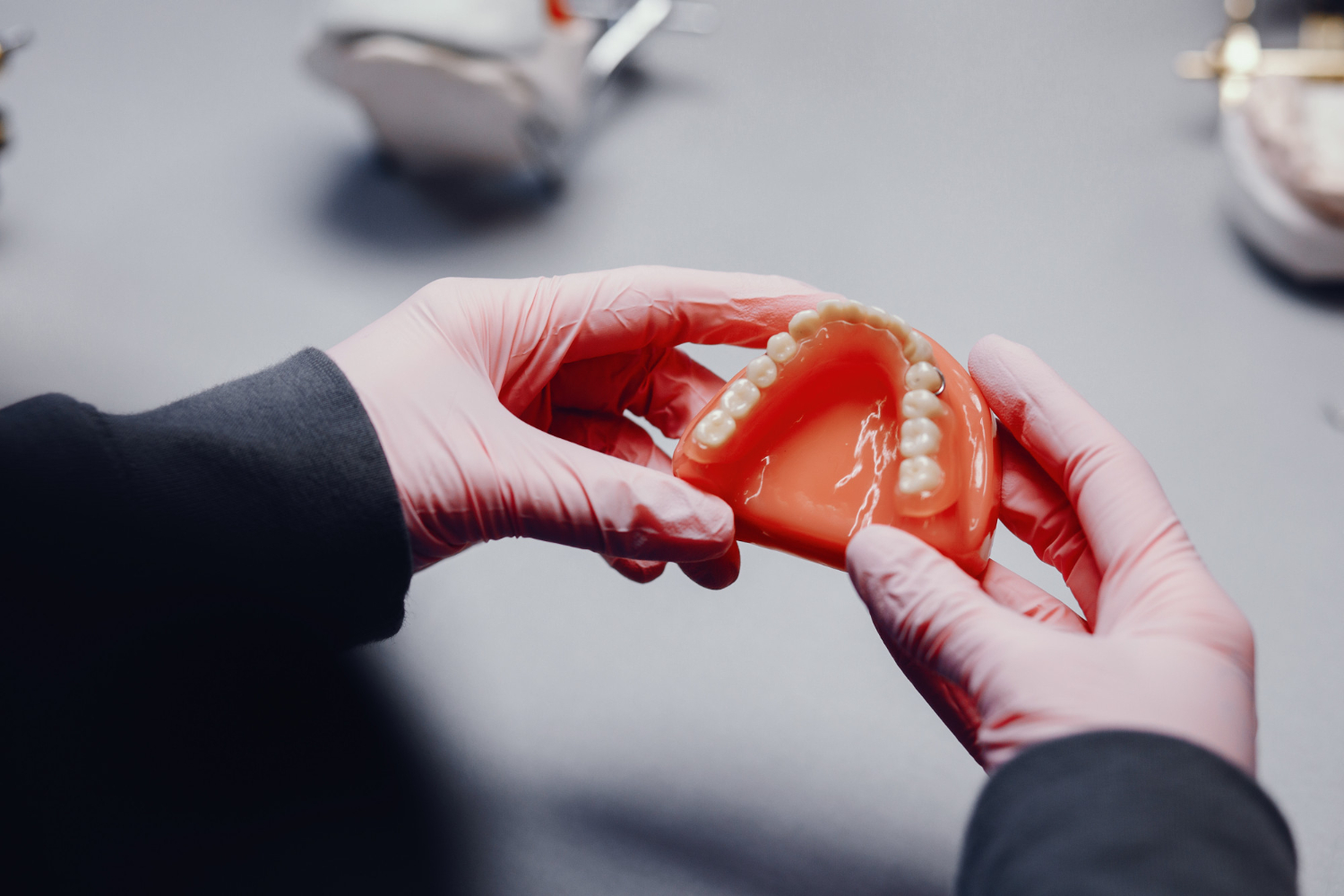
Denture use, meanwhile, was also strongly associated with poorer gingival health. Seven out of eight denture users were found to have severe gingival inflammation, a substantially higher proportion than among older adults who did not wear dentures. “Dentures that are not removed or cleaned properly can create additional plaque retention, which can trigger inflammation,” Benni said (July 6).
Knowledge Alone Is Not Enough
One of the study’s notable findings was the absence of a positive association between knowledge, attitudes, and practices (Knowledge, Attitude, Practiceor KAP) and the gingival health of older adults. Theoretically, the KAP framework assumes that good knowledge leads to positive attitudes, which in turn encourage better oral health practices.
Benni further explained that several factors may account for this gap. First, elderly residents in nursing homes may face difficulties translating knowledge into action because of declining fine motor skills, dependence on caregivers, and limited access to dental care facilities within the institution.
Second, the use of self-reported questionnaires in the study may have introduced social desirability bias, whereby respondents tend to provide answers that conform to socially desirable norms rather than accurately reflecting their actual conditions.
Third, differences in measurement methods may also have played a role. The MGI used in this study is based entirely on visual assessment without probing, unlike other periodontal indices that provide more objective measurements.
These findings suggest that among institutionalized older adults, gingival health is not determined solely by oral health literacy or individual behavior. Instead, it is influenced by a more complex and multidimensional set of factors.
Recommendations for Oral Health Programs in Nursing Homes
Based on these findings, Benni and his team recommend several strategic measures to maintain the gingival health of older adults, particularly in nursing home settings:
- Denture care education should become a routine component of oral health programs rather than being limited to toothbrushing instructions, given the strong association between poorly maintained dentures and gingival inflammation.
- More intensive and targeted intervention programs are needed for elderly men, considering the substantial gap in oral health practices compared with elderly women.
- Support for the functional independence of older adults, including assistance from caregivers with daily oral hygiene practices, is considered more important than simply transferring knowledge.
- Promotive and preventive approaches to gingival health among institutionalized older adults should be designed around multiple factors, taking functional and clinical aspects into account and differentiating programs according to sex rather than focusing solely on improving knowledge.
Research Title: Gingival Health Profile and Its Determinants among Elderly Residents of Nursing Homes in Yogyakarta
Contributor: Prayudha Benni Setiawan, S.Kp.G., M.P.H.
Manuscript Editor: Fajar Budi Harsakti
Photo: Magnific