
Imagine this: a patient has just completed a teeth-whitening treatment and then visits an orthodontic clinic, excited to have braces fitted. However, the dentist has some disappointing news—the orthodontic brackets may not bond properly if they are placed immediately after bleaching. The patient may therefore have to wait for several weeks, sometimes up to three weeks, before orthodontic treatment can begin.
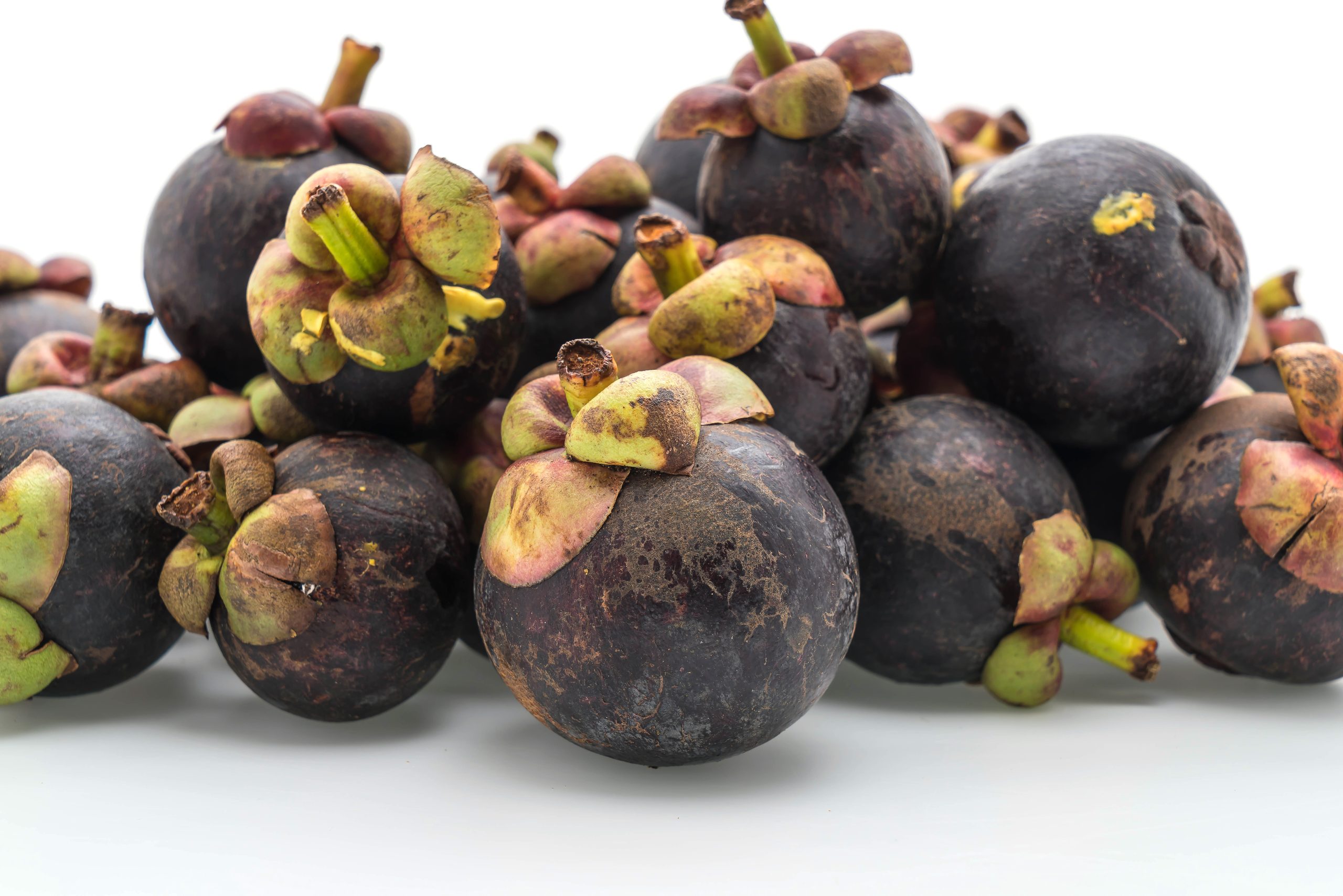
This is not a trivial issue. The number of patients with a history of tooth bleaching before undergoing orthodontic treatment continues to increase. Until now, the available options have been limited: wait, or use synthetic antioxidants such as sodium ascorbate. Now, research from the Faculty of Dentistry, Universitas Gadjah Mada, has proposed an unexpected alternative—mangosteen peel extract.
When Teeth Whitening Becomes an Obstacle to Bracket Bonding
Bleaching works by releasing hydrogen peroxide onto the enamel surface. Although this compound is highly effective at removing stains, it leaves reactive oxygen residues that can interfere with the bonding procedure. The residual oxygen inhibits the polymerization of the bracket adhesive resin, thereby substantially reducing the shear bond strength (SBS).
In a study published in the Dental Press Journal of Orthodontics in 2018, a research team consisting of drg. Ananto Ali Alhasyimi, Prof. Dr. drg. Pinandi Sri Pudyani, SU., Sp.Ort(K), and drg. Ikmal Hafizi sought to determine whether mangosteen peel extract could reverse this condition. A total of 150 freshly extracted maxillary first premolars removed for orthodontic purposes were used as specimens. The teeth were randomly divided into six treatment groups.
One group was left unbleached as a negative control. Another group underwent bleaching without any subsequent treatment. The remaining four groups were bleached using 40% hydrogen peroxide and then treated with different antioxidants: 10% sodium ascorbate and mangosteen peel extract gels at concentrations of 10%, 20%, and 40%. After treatment, stainless-steel brackets were bonded using resin-modified glass ionomer cement (RMGIC), and their bond strength was tested using a universal testing machine.
The Numbers Speak Louder Than Expected
The results were surprising. The unbleached group recorded the highest SBS at 8.19 ± 2.26 MPa. Meanwhile, the bleached group without any subsequent treatment achieved only 4.57 ± 1.49 MPa, substantially below the recommended clinical threshold of 6–8 MPa.
Interestingly, the group treated with 40% mangosteen peel extract gel recorded an SBS of 7.93 ± 1.92 MPa. This not only exceeded the sodium ascorbate group (6.19 ± 1.82 MPa) but was also not statistically significantly different from the group of teeth that had never been bleached.
“There was no statistically significant difference between the unbleached group and the groups treated with 10%, 20%, or 40% mangosteen peel extract,” the researchers wrote in their report.
This means that mangosteen peel extract, at sufficient concentrations, may restore bracket bond strength to levels approaching those of teeth that have never undergone bleaching.
The Xanthones Behind the Peel That Is Often Discarded
Why does mangosteen peel work so effectively? The answer lies in its bioactive compounds. The peel of Garcinia mangostana L. is rich in xanthones, particularly alpha-mangostin, which is known as a powerful antioxidant. These compounds neutralize residual reactive oxygen species following bleaching, including hydroxyl, superoxide, and peroxyl radicals, by donating hydrogen atoms or electrons.
Mangosteen peel also contains epicatechin, a polyphenolic compound known to be an effective free-radical scavenger compared with many commercial antioxidants. This combination may explain why its effectiveness exceeds that of synthetic sodium ascorbate.
From a clinical perspective, the study also analyzed the Adhesive Remnant Index (ARI), which measures the amount of adhesive remaining on the tooth surface after bracket removal. In the 20% and 40% mangosteen groups, bond failures occurred more frequently at the enamel-adhesive interface rather than at the bracket-adhesive interface. This is clinically advantageous because less residual adhesive makes post-debonding tooth cleaning easier and faster while minimizing the risk of enamel damage.
Waiting Three Weeks May Not Be the Only Option
This study opens a new discussion in modern orthodontic practice. Traditionally, dentists have asked patients to wait one to three weeks after bleaching before brackets can be placed, a period that may feel lengthy for patients eager to begin treatment. The use of natural antioxidants such as mangosteen peel extract could potentially shorten or even eliminate this waiting period.
Of course, the researchers emphasize that further clinical studies are necessary before mangosteen peel extract can be routinely incorporated into everyday clinical practice. Nevertheless, the findings provide a strong signal: a tropical fruit whose peel is often regarded as waste may contain untapped potential for dentistry.
The peel that is so often discarded, it seems, may simply be waiting for its moment to be recognized.
Source DOI: http://: https://doi.org/10.1590/2177-6709.23.5.058-064.oar
Authors: Nanda Ayu, drg. Achmad Zam Zam Aghasy, M.Kes.
Photo: Freepik