
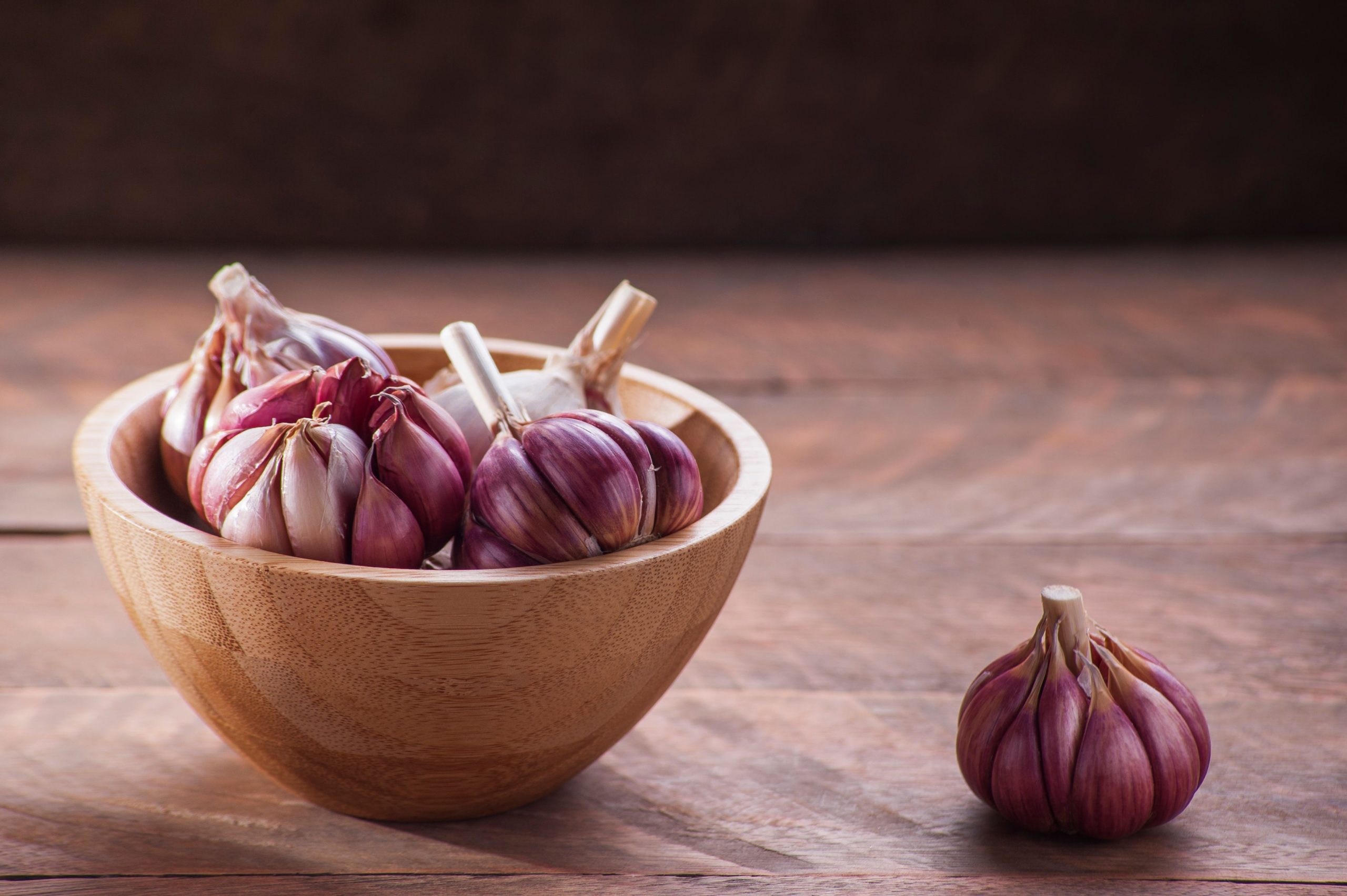
Shallots have long been regarded as nothing more than kitchen waste. Their skins are simply discarded after the bulbs are used. However, in the laboratory of the Department of Oral Biology, Faculty of Dentistry, Universitas Gadjah Mada (FKG UGM), these thin purplish skins have become the subject of research that has produced an intriguing finding: ethanol extract of shallot skins (Allium cepa var. ascalonicum) was shown to impair the motility and adhesive capacity of Pseudomonas aeruginosa, while simultaneously enhancing the immune response of macrophage cells.
The study was published in the January–April 2019 edition of the Traditional Medicine Journal. The research team from FKG UGM consisted of Irma Prasetya Ayu Nugraheni, Derana Widyastika, Sofia Maulida, Prof. drg. Heni Susilowati, M.Kes., Ph.D., PBO, and Alma Linggar Jonarta as the corresponding author.
An Oral Bacterium That Can Change Its Nature
Pseudomonas aeruginosa is not a foreign bacterium in the oral cavity. Under normal conditions, it can live harmlessly in subgingival plaque, the gingival sulcus, and buccal mucosal epithelial cells. Problems arise when the body's condition becomes compromised—this bacterium can transform from a harmless resident into a dangerous opportunistic pathogen. Its presence has also been documented in patients with chronic apical periodontitis.
The ability of P. aeruginosa to become virulent is supported by two major weapons: swarming motility and the ability to adhere to epithelial cells. Flagella and type IV pili enable the bacterium to move rapidly and in a coordinated manner across semisolid surfaces while also attaching firmly to host cells. Once attached, the bacterium can produce pyocyanin to suppress the immune system and release T3SS proteins that inhibit macrophage phagocytosis.
This is what interested the FKG UGM research team: could a natural substance be used to disrupt this chain of virulence?
From Samas, Bantul, to a Petri Dish
The shallot skins used in this study were harvested from agricultural land in Samas, Bantul, Yogyakarta, and were verified as Allium cepa var. ascalonicum by the Laboratory of Plant Systematics at the Faculty of Biology, UGM. Extraction was performed using ethanol maceration, producing an extract with a minimum inhibitory concentration of 10% against P. aeruginosa.
The study consisted of three separate experiments, each conducted with ethical approval from the FKG UGM Research Ethics Committee. The first evaluated swarming motility on semisolid media stained with crystal violet, with the results measured based on the radial distance of bacterial movement. The second examined bacterial adhesion to human buccal epithelial cells using Gram staining. The third evaluated macrophage phagocytosis using Balb/C mouse peritoneal macrophages exposed to the bacteria and stained with Giemsa.
The results were consistent across all three experiments: the higher the extract concentration, the more pronounced the effect. At a concentration of 10%, the bacterial adhesion index dropped sharply from a mean of 74.42 in the control group to only 14.88. Conversely, the macrophage phagocytosis index increased from 2.24 in the negative control to 12.37, approaching the positive-control value of 13.41 obtained with Imboost®.
“Shallot skin extract not only disrupts the virulence factors of P. aeruginosa by reducing motility and preventing bacterial adhesion to buccal epithelial cells, but also enhances the ability of macrophages to phagocytose the bacteria.” — Alma Linggar Jonarta et al., Traditional Medicine Journal, 2019
Quercetin and Tannins: Two Active Weapons
Two major compounds appear to be responsible for these dual effects. Quercetin, a flavonoid abundant in shallot skins, interferes with proton pumps in the bacterial membrane, preventing the cells from producing sufficient energy to move their flagella. Quercetin also binds to the PilY1 protein on bacterial pili, disrupting the ability of the pili to bind calcium on epithelial-cell integrins. Without this interaction, the bacteria lose their ability to attach.
Tannins work through a different mechanism by reducing the production of rhamnolipids, biosurfactants that normally increase bacterial surface hydrophobicity and facilitate adhesion. When rhamnolipid levels decrease, the flagella become rigid and swarming motility is impaired.
On the immune side, quercetin and phenolic compounds in the extract increase IL-2 production, which activates Th1 lymphocytes. Th1 cells subsequently secrete IFN-γ, a signal that stimulates macrophage phagocytic activity. Flavonoids also induce the MAPK pathway, which activates NF-κB, a regulator of inflammatory mediators including TNF-α that further activates macrophages.
Potential That Remains to Be Explored
The research team highlighted an important limitation: the extract used in this study had not yet been isolated down to individual active compounds. This means that the observed effects resulted from the combined action of multiple compounds rather than from one specific component. Further isolation and characterization are therefore needed before these findings can be translated into clinical applications.
Nevertheless, the data provide a strong foundation for further research. Shallot skins—waste that has traditionally been discarded—contain measurable antibacterial and immunomodulatory activity under laboratory conditions. In the search for antimicrobial alternatives amid increasing antibiotic resistance, this finding is more than just academically interesting.
Perhaps the answer to future challenges in oral infections has been hiding in the most unexpected place all along: a pile of shallot skins in the corner of the kitchen.
Source DOI: http://DOI : 10.22146/mot.39401
Authors: Anny Anggraini; drg. Achmad Zam Zam Aghasy, M.Kes.
Photo: Pexels