
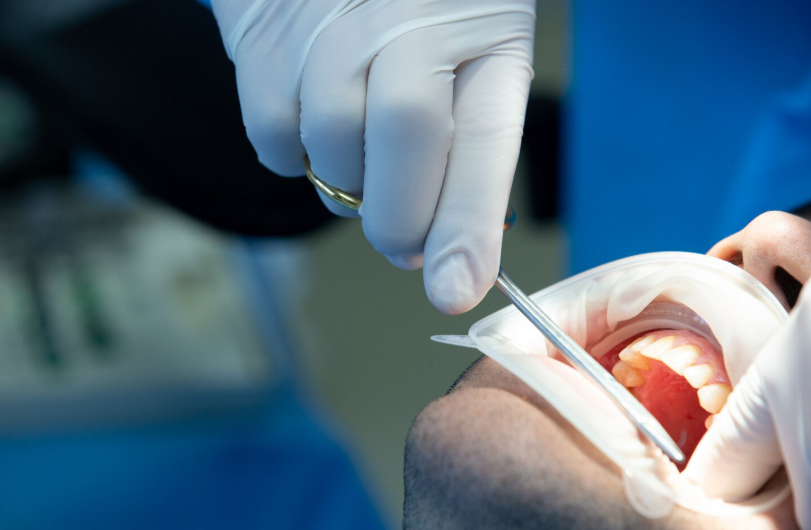
Oral hygiene is a crucial aspect of the recovery process for patients after oral surgery. Following procedures such as tooth extraction, soft tissue surgery, or jaw surgery, the oral cavity becomes highly sensitive and vulnerable to infection. Proper oral hygiene care not only accelerates healing but also prevents complications such as dry socket, wound infection, or prolonged inflammation.
Each oral surgical procedure carries a different level of infection risk, depending on the extent of the operation and preoperative hygiene conditions. Data on tooth extraction patterns can provide important insights into postoperative care needs. A study conducted by FKG UGM student Shafira Fachrani, under the supervision of drg. Cahya Yustisia Hasan, Sp.BMM(K), and drg. Yosaphat Bayu Rosanto, MDSc., Sp.BMM(K), entitled “Patterns of Tooth Extraction at the Oral Surgery Clinic of Prof. Soedomo Dental Hospital, UGM,” identified trends in commonly extracted teeth and the clinical characteristics of patients requiring oral surgery. These findings underscore the need for personalized postoperative care approaches tailored to each patient’s condition.
In the early postoperative phase, patients are generally advised to avoid vigorous rinsing, brushing directly over the surgical site, or using straws, as these actions may disrupt blood clot formation, which is essential for healing. However, maintaining cleanliness remains necessary through gentler methods, such as rinsing with saline solution after 24 hours, using soft-bristled toothbrushes, and gradually increasing cleaning as pain and swelling subside.
Patient education is also a decisive factor in recovery success. Many patients mistakenly believe that the mouth should be left untouched after surgery, whereas neglect actually increases the risk of bacterial colonization. Dentists and healthcare providers must give clear care instructions, including dietary restrictions, signs of infection, proper cleaning techniques, and guidance on follow-up visits.
Overall, optimal oral hygiene after surgery is not merely a supplementary recommendation, but a core component of the healing process. With appropriate care, complication risks can be minimized, healing accelerated, and postoperative quality of life significantly improved.
References
Shafira Fachrani, drg. Cahya Yustisia Hasan, Sp. BMM(K); drg. Yosaphat Bayu Rosanto, MDSc., Sp.BMM(K), Pola Ekstraksi Gigi di Klinik Bedah Mulut RSGM UGM Prof. Soedomo, https://etd.repository.ugm.ac.id/penelitian/detail/236784
Author: Rizky B. Hendrawan | Photo: Freepik

