
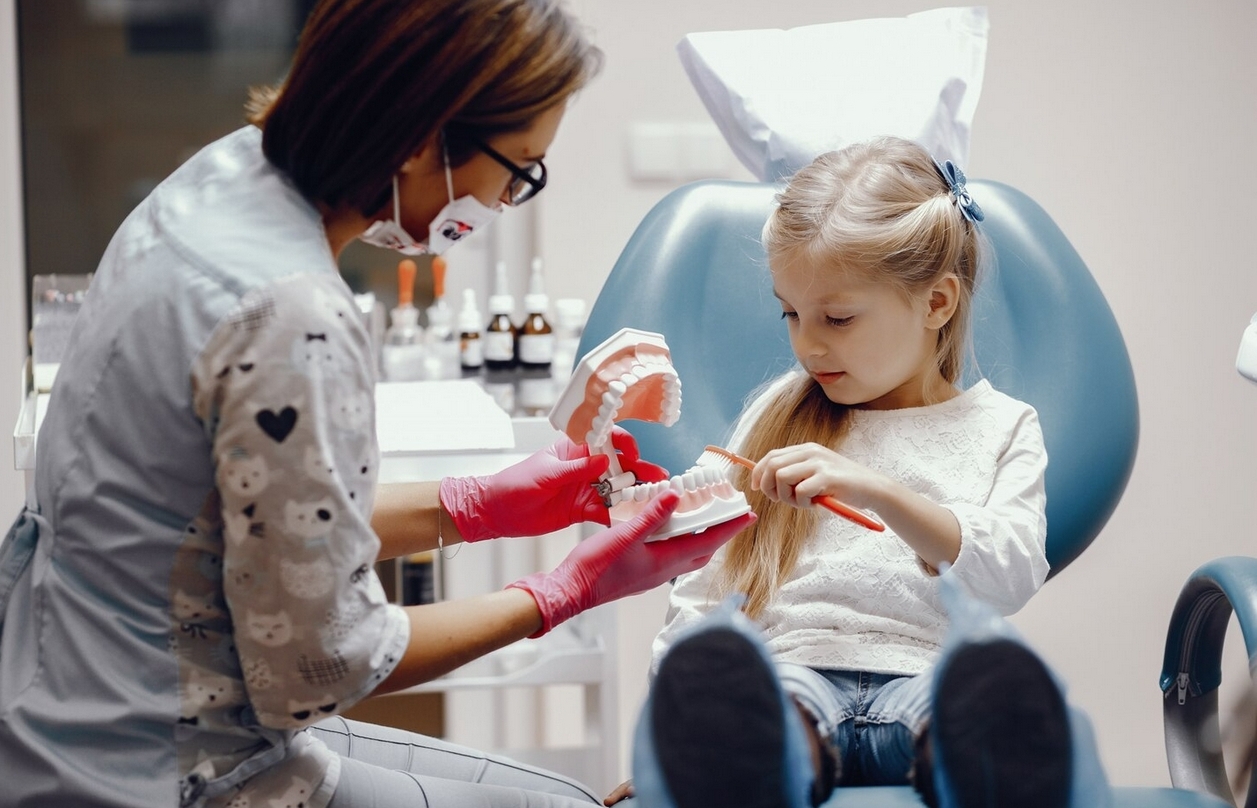
Oral and dental health is an essential component of general health among elementary school children. Childhood is a critical period for habit formation that influences adulthood, including oral hygiene practices. Therefore, the Indonesian government has developed the School Dental Health Program (UKGS) as part of preventive health services provided in the school environment.
UKGS aims to improve students’ knowledge, attitudes, and behaviors in maintaining oral health, as well as to reduce the incidence of dental caries through routine examinations, counseling, and promotive actions. However, the effectiveness of its implementation varies across regions, making evaluation of coverage and outcomes necessary.
Implementation of the UKGS Program in Elementary Schools
The UKGS program is implemented in stages through collaboration between primary health centers, schools, and local health offices. Its main activities include dental health examinations, education on proper tooth brushing techniques, topical fluoride application, and recording of students’ oral hygiene status.
Nevertheless, UKGS coverage in some areas still faces challenges such as a shortage of dental health personnel, limited facilities, and low active participation from schools and parents. Regular evaluation is required to assess the effectiveness of the program in improving oral hygiene and reducing oral health problems among elementary school students.
Research Findings Related to UKGS
A study conducted by FKG UGM student Layli Rohmah Hidayati under the supervision of Prof. drg. Sri Kuswandari, MS., Sp.KGA (K)., Ph.D., and drg. Siti Bale Sri Rantinah, SU., Sp.KGA(K), entitled “Peran UKGS terhadap Peningkatan Kebersihan Gigi dan Mulut pada Siswa Sekolah Dasar Usia 6–7 Tahun (Kajian pada SDN 1 Terbansari dan SDN 2 Glagahombo),” showed that UKGS implementation had a positive impact on improving students’ oral hygiene. The program helped raise children’s awareness of the importance of oral hygiene through educational activities and periodic check-ups.
However, the study also emphasized the need for continuous evaluation and improvement of UKGS implementation mechanisms to ensure more equitable outcomes across schools, particularly in resource-limited areas.
Evaluation of UKGS Coverage and Challenges
Based on reports from various regions, UKGS coverage has not yet reached all elementary schools in Indonesia. Several factors affecting program effectiveness include:
- Limited dental health personnel at primary health centers, resulting in irregular UKGS activities.
- Poor coordination between schools and health authorities, causing delays in examination and education schedules.
- Minimal parental involvement in supporting tooth brushing habits at home.
- Limited budgets and examination facilities in schools.
To increase coverage, community-based and technology-driven approaches are needed, such as the use of teledentistry and digital education programs for students and parents.
***
The UKGS program is a strategic effort to improve oral and dental health among elementary school children. Although it has produced positive results, its coverage and effectiveness still need to be enhanced through comprehensive evaluation, improved cross-sector coordination, and the utilization of digital technology. By strengthening UKGS, it is expected that Indonesian children will grow up with healthy teeth, support academic achievement, and contribute to national health development goals.
References
LAYLI ROHMAH HIDAYATI, Prof. drg. Sri Kuswandari, MS., Sp.KGA (K)., Ph.D; drg. Siti Bale Sri Rantinah, SU., Sp.KGA(K), PERAN UKGS TERHADAP PENINGKATAN KEBERSIHAN GIGI DAN MULUT PADA SISWA SEKOLAH DASAR USIA 6-7 TAHUN (Kajian pada SDN 1 Terbansari dan SDN 2 Glagahombo), https://etd.repository.ugm.ac.id/home/detail_pencarian_downloadfiles/910919
Author: Rizky B. Hendrawan | Photo: Freepik

