
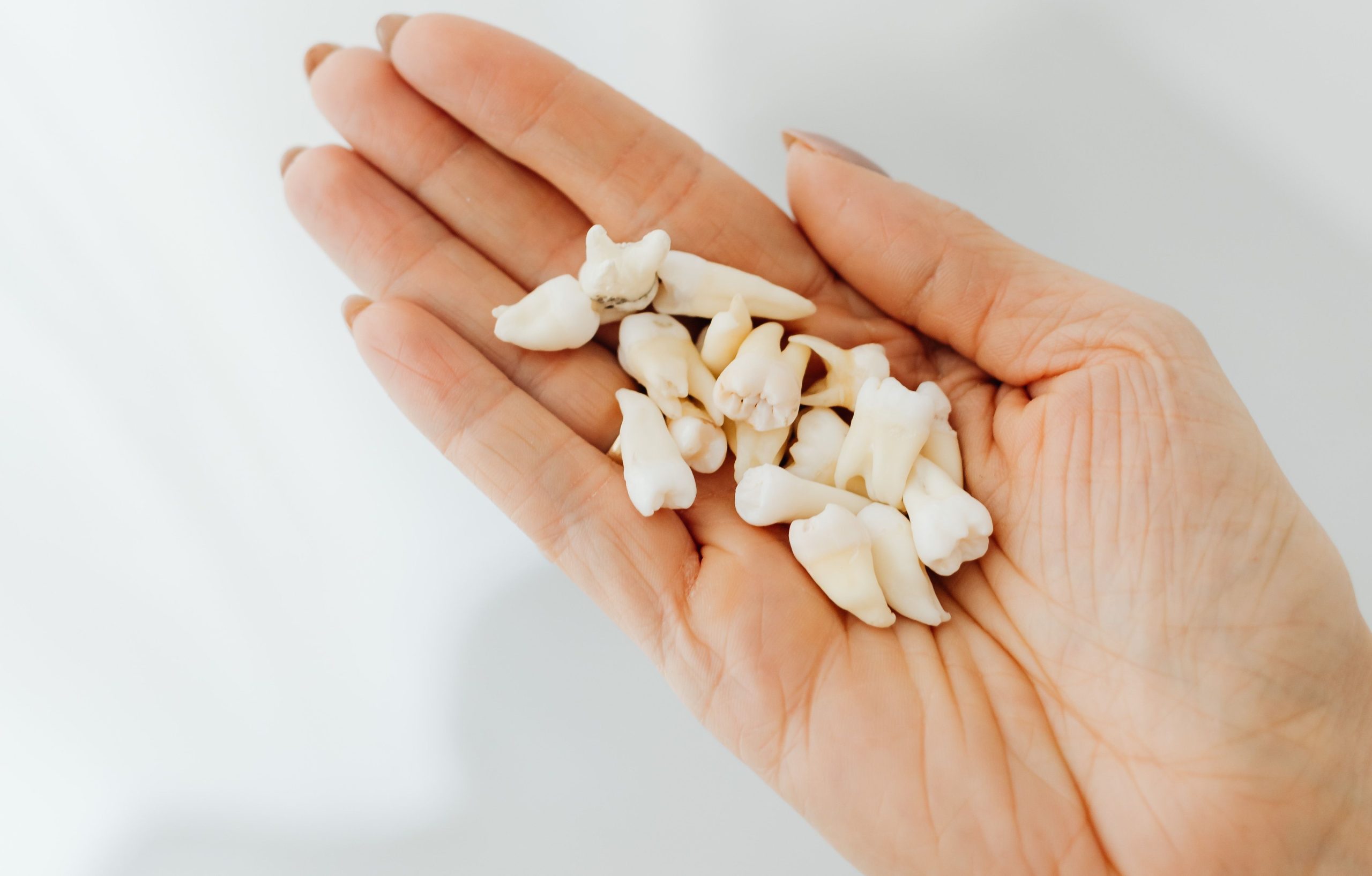
Of the 70 residents of Terban Village who attended an educational session at the village hall, almost none knew that tooth loss could contribute to depression. They came out of curiosity—some were accompanied by neighbors, while others simply happened to be passing by. But the data collected by the FKG UGM team revealed a much more serious picture than a mere cosmetic concern.
When Missing Teeth Affect More Than Just a Smile
Terban is not a remote village. It is located close to the educational and healthcare centers of Yogyakarta. Yet the irony is real: during an initial examination in December 2022, its residents recorded a DMF-T (Decayed, Missing, Filled Teeth) index of 9.125—far exceeding the WHO threshold. In other words, on average, each resident had more than nine teeth that were decayed, missing, or filled.
The research, led by drg. Yosaphat Bayu Rosanto, MDSc, Sp.BMM, from the Department of Oral and Maxillofacial Surgery at the Faculty of Dentistry, Universitas Gadjah Mada, together with drg. Dyah Listyarifah and drg. Hanni Handayani Budi Nagari, addressed this issue through a community service program published in the Indonesian Journal of Community Engagement (Vol. 10, No. 1, March 2024). The program went beyond education: five selected residents received dental implants free of charge.
An examination of 74 residents produced concerning findings. Forty-six were classified as overweight or obese. Of these, 35 people (76 percent) had above-normal blood pressure. The connection with tooth loss was not coincidental: losing posterior teeth can substantially reduce chewing ability, forcing individuals to switch to soft foods that are often high in simple carbohydrates—a dietary pattern that can contribute to weight gain and increase the risk of hypertension.
When the Numbers Speak Louder Than the Complaints
The team used two psychological assessment instruments to measure the impact of tooth loss on mental well-being: the GHQ-12 (General Health Questionnaire) and HUI3 (Health Utilities Index Mark 3).
The results were striking. Among the 57 respondents who completed the GHQ-12, the mean individual score was 17.28—well above the threshold of 12 used to indicate a risk of mental health problems. Only four people scored below 12. This suggests that the majority of residents experiencing tooth loss were psychologically vulnerable, with issues ranging from reduced self-confidence and feelings of worthlessness to a risk of depression.
HUI3 scores also indicated a notable decline in function, particularly in vision (1.80), memory (1.82), and pain (1.82). These scores were higher than similar findings reported in a Japanese population studied by Takemae et al. (2012), in which all age groups recorded scores below 1.
“Tooth loss can have a significant psychological impact on a person’s life, regardless of their attitudes and socioeconomic circumstances.”
This was not merely a claim. It was supported by field data collected from the residents of Terban themselves.
Five Patients, Five Titanium Implants, One New Hope
Of the 70 participants who attended the educational session, five residents met the clinical criteria for implant placement: a single edentulous site, an alveolar width of more than 6.5 mm, an interocclusal space of more than 7 mm, and adequate oral hygiene. All five patients were women between 29 and 49 years of age.
Before the procedure, each patient underwent a comprehensive examination, including complete blood tests, conventional radiography, and Cone-Beam Computed Tomography (CBCT) to map bone density three-dimensionally and avoid damage to nerves or blood vessels surrounding the implant site. Implant placement was performed using a one-stage surgical technique with the Taper Kit system (Osstem, Korea).
Four patients had D4 bone density, while one patient, LK, aged 29, had D3 bone density—a denser condition considered more favorable for osseointegration. Implants ranging from 3.5 to 5 mm in diameter were placed in the areas of the missing teeth, ranging from incisors to molars.
One of the challenges faced by the team was not technical but psychological. Convincing residents that the surgical procedure was safe required a thoughtful approach. Although the procedures were performed by oral and maxillofacial surgery residents, all procedures were carried out under the close supervision of implant specialist consultants.
Terban as a Reflection, Implants as a Bridge
The DMF-T index recorded during the program was 7.47, down from 9.125 in the initial survey, indicating that gradual intervention can produce results. The debris index of 0.87 was classified as good, although the calculus index of 1.95 still required further treatment.
The program was more than just free dental care. It represented a collaborative model involving FKG UGM, Gondokusuman I and II Community Health Centers, alumni, faculty members, students, and Terban residents working together as a single network. Noncommunicable disease screening by the community health centers was integrated into the same visit, allowing residents to receive multiple health benefits at once.
A post-implant evaluation was scheduled for one year after the procedure. The results will provide comparative data for similar programs in the future—a longitudinal study emerging from community service rather than a sterile laboratory setting.
Terban may lie in the heart of the city, but its residents have been living with a health burden that has largely gone unnoticed. Missing teeth are not merely a matter of appearance—they can be a gateway to malnutrition, hypertension, social isolation, and depression. The titanium implants now embedded in the jaws of five Terban women may be small in size. But for the women who received them, their significance is far greater than their weight in grams.
Source DOI: http://doi.org/10.22146/jpkm.90557
Authors: Nanda Ayu, drg. Achmad Zam Zam Aghasy, M.Kes.
Photo: Pexels