
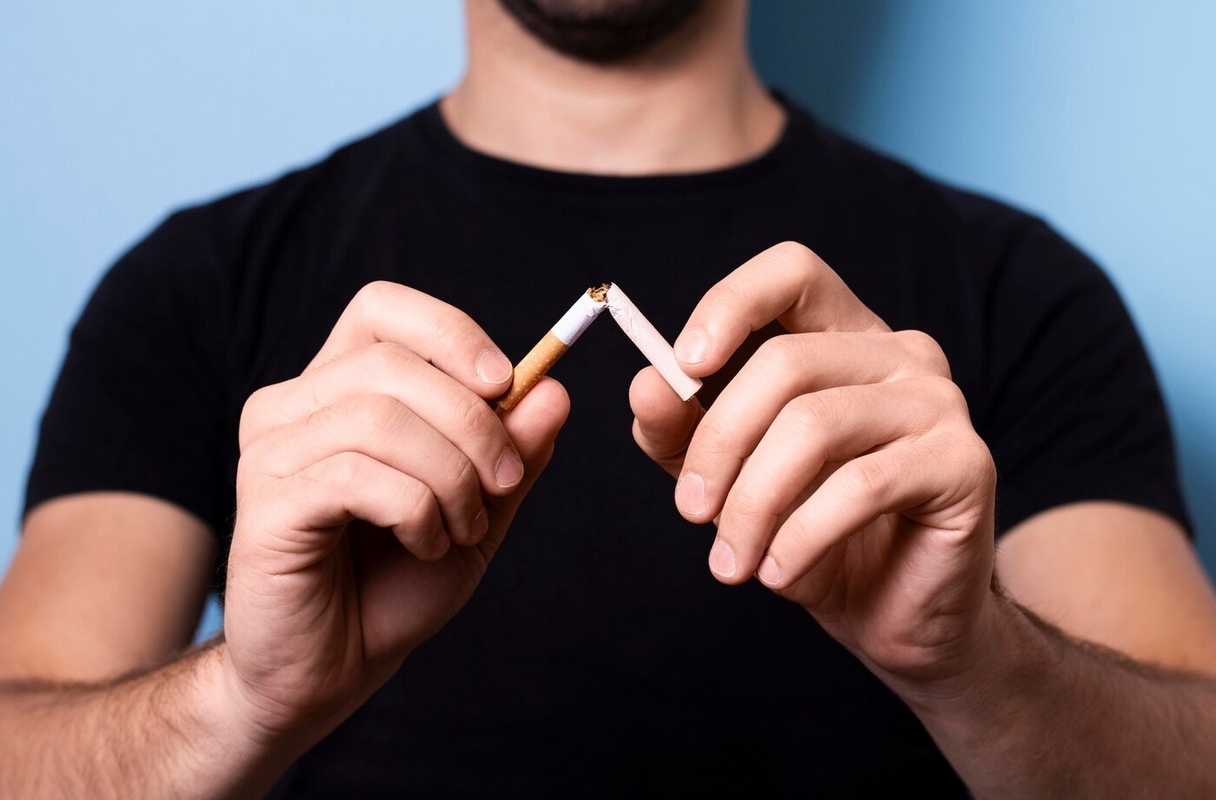
Oral cancer is a serious disease that can affect various tissues in the oral cavity, including the tongue, buccal mucosa, floor of the mouth, and lips. This disease is characterised by uncontrolled abnormal cell growth and has the potential to spread to other tissues. Among the various identified risk factors, smoking habits are one of the most consistently associated causes of oral cancer.
Cigarettes contain more than 7,000 harmful chemicals, including nitrosamines, benzopyrene, and formaldehyde, all of which have carcinogenic properties. Chronic exposure to these substances causes DNA damage, disrupts cellular regeneration mechanisms, and induces epithelial changes in the oral mucosa that may lead to malignant transformation.
Mechanisms Linking Smoking and Oral Cancer
Smoking triggers biological and pathological changes in the oral cavity through several key mechanisms:
- Direct exposure to carcinogens – Chemical substances in cigarette smoke adhere to the oral mucosa, causing genetic mutations that stimulate abnormal cell growth.
- Oxidative stress and chronic inflammation – Free radicals from cigarette smoke induce prolonged inflammation, leading to tissue damage and supporting cancer development.
- Impairment of the local immune system – Components of cigarette smoke reduce the immune function of the oral mucosa, limiting the body’s ability to repair damaged cells.
- Synergistic effects with alcohol consumption or poor oral hygiene – These combined factors exponentially increase the risk of oral cancer.
In other words, the longer and more frequently a person smokes, the greater the likelihood that precancerous lesions will transform into oral cancer.
Related Research
According to research conducted by Faculty of Dentistry (FKG) UGM students Yunus Rebecca, Prof. Dr. drg. Dewi Agustina, MD.Sc., MD.Sc., and Dr. drg. Bernadetta Esti Chrismawaty, M.Kes., MD.Sc., entitled “Knowledge and Attitude of Different Types of Smoker Patients towards Smoking-Related Oral Cancer in Prof. Soedomo Dental Hospital Yogyakarta”, the level of knowledge and attitudes of smoking patients regarding the risk of oral cancer remains low.
In this study, patients were classified based on smoking habits, including active smokers, passive smokers, and former smokers, to assess their understanding of the relationship between smoking and oral cancer. The results showed that while most respondents were aware of the general dangers of smoking, they lacked specific understanding of its link to oral cavity cancer.
This finding highlights the need for more intensive health education, particularly in dental healthcare facilities, to increase patient awareness of the risks they face and to motivate smoking cessation.
Clinical and Social Impacts
Smoking-related oral cancer is often detected late because its symptoms resemble mild conditions such as mouth ulcers or small wounds. As a result, many cases are diagnosed at advanced stages, when treatment becomes more complex and prognosis worsens.
Beyond medical consequences, smoking also has social and economic impacts, including:
- Decreased work productivity due to pain and impaired oral function.
- High treatment costs associated with surgery, radiotherapy, or chemotherapy.
- Psychological effects and reduced quality of life, particularly due to facial changes and difficulties with speaking or eating.
Prevention and Education Efforts
To reduce the incidence of smoking-related oral cancer, sustained efforts are required, including:
- Public education on the dangers of smoking to oral health through social media, schools, and healthcare services.
- Regular dental check-ups, especially for active smokers, to detect precancerous lesions at an early stage.
- Smoking cessation programs based on counselling and nicotine replacement therapy.
- Integration of oral health promotion into national tobacco control policies.
Health education should focus on improving knowledge, attitudes, and awareness of oral cancer risks to encourage behavioral change related to smoking.
***
The relationship between smoking habits and oral cancer is strong and scientifically proven. Exposure to carcinogenic substances in cigarettes causes DNA damage, chronic inflammation, and reduced local immunity, which collectively contribute to cancer development in oral tissues. Research confirms that smokers’ awareness of oral cancer risk remains low, underscoring the need for improved education and more effective prevention programs. Through comprehensive promotive, preventive, and rehabilitative approaches, the prevalence of smoking-related oral cancer can be reduced while sustainably improving overall quality of life.
References
REBECCA, YUNUS, Prof. Dr. drg. Dewi Agustina, MD.Sc., MD.Sc., Dr. drg. Bernadetta Esti Chrismawaty, M.Kes., MD.Sc., “Knowledge and Attitude of Different Types of Smoker Patients towards Smoking-Related Oral Cancer in Prof. Soedomo Dental Hospital Yogyakarta”, https://etd.repository.ugm.ac.id/penelitian/detail/156172
Author: Rizky B. Hendrawan | Photo: Freepik

