
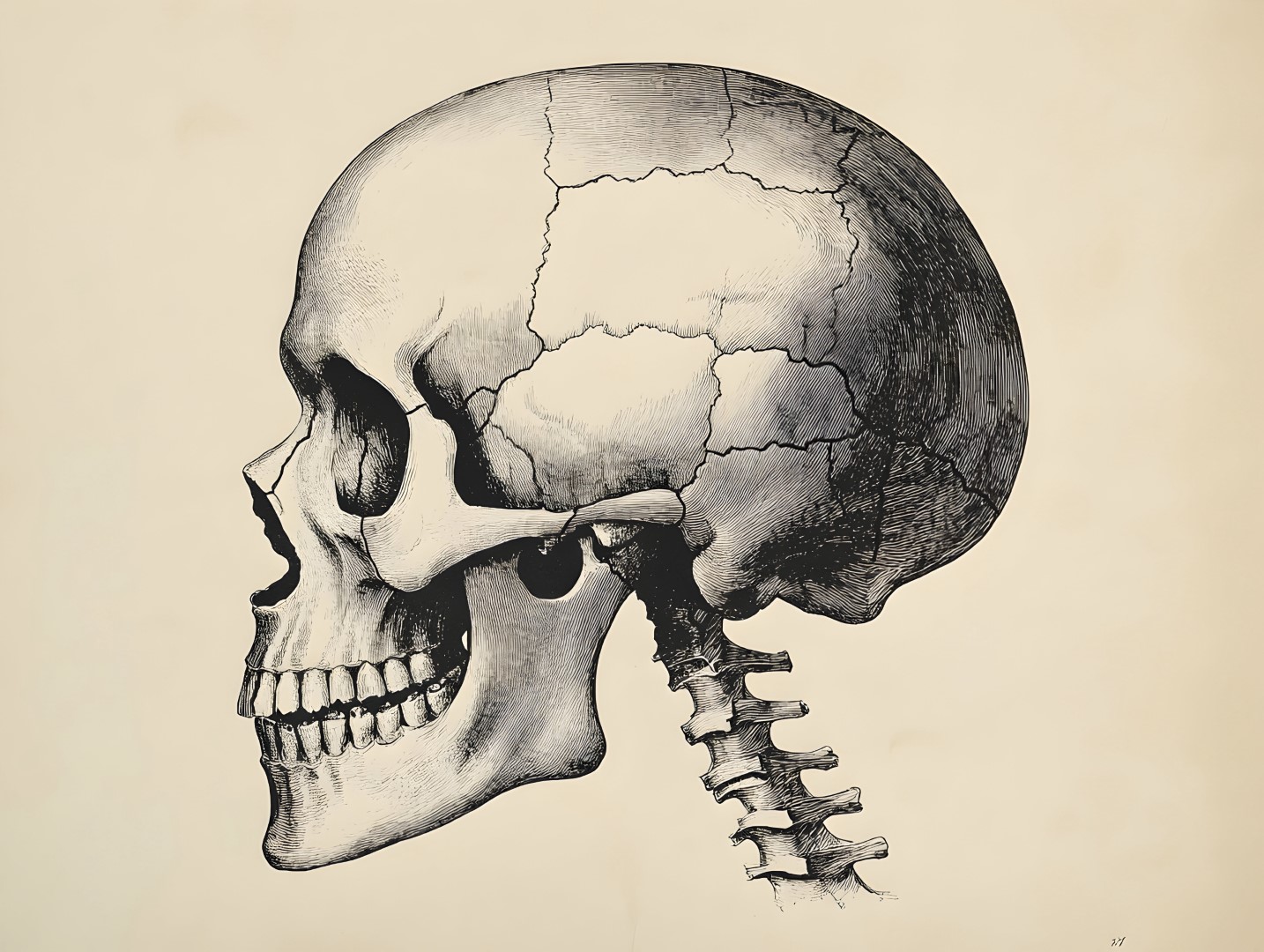
Fractures of the mandible and maxilla are complex injuries that can affect vital facial functions such as chewing, speaking, and facial expression. The management of facial bone fractures, particularly in the lower jaw (mandible) and upper jaw (maxilla), requires a careful and integrated multidisciplinary approach.
Clinical Challenges in Mandibular and Maxillary Fractures
Mandibular fractures are commonly caused by direct trauma such as traffic accidents, sports injuries, or physical violence. Meanwhile, maxillary fractures are often more complex, as they involve the sinus structures, orbital floor, and cranial base.
Common symptoms include:
- Severe pain in the jaw area
- Facial deformity
- Malocclusion (misaligned bite)
- Difficulty opening the mouth (trismus)
- Bleeding and swelling
Initial diagnostics using panoramic X-rays or 3D CT scans are crucial to determine the fracture location, pattern, and soft tissue involvement.
Latest Surgical Approaches
Surgical management of mandibular and maxillary fractures has seen significant advances. Internal fixation techniques using titanium miniplates are now the primary choice, as they provide optimal stability and accelerate healing.
In more complex cases, such as maxillofacial fractures accompanied by malocclusion or malunion, surgical approaches require digital planning with virtual surgical planning (VSP) and navigation techniques.
A study by FKG UGM students Wijanarko and Agung Hadi, under the supervision of drg. Prihartiningsih, S.U., Sp.BM(K), highlighted the importance of integrated management of complex maxillofacial fractures with malocclusion and malunion, requiring accurate diagnosis and comprehensive surgical planning that considers both functional and aesthetic aspects of the patient. This approach not only restores facial anatomy but also improves the overall quality of life.
Role of the Multidisciplinary Team
A medical team consisting of oral and maxillofacial surgeons, orthodontists, and rehabilitation specialists collaborates in three stages:
- Initial stabilization– securing the airway, controlling bleeding, and reducing edema.
- Reconstructive surgery– restoring the form and function of the jaws, both aesthetically and functionally.
- Post-surgical rehabilitation– including speech therapy, jaw mobility exercises, and orthodontic care.
***
Mandibular and maxillary fractures are not merely structural injuries but also significantly affect essential facial functions and patients’ quality of life. With accurate diagnosis, advanced surgical technologies, and effective multidisciplinary collaboration, facial fracture management today can deliver optimal functional and aesthetic outcomes.
References
Wijanarko, Agung Hadi, drg. Prihartiningsih, S.U., Sp.BM(K), Integrated Management of Complex Maxillofacial Fractures with Malocclusion and Malunion, https://etd.repository.ugm.ac.id/penelitian/detail/36727
Author: Rizky B. Hendrawan | Photo: Freepik

