
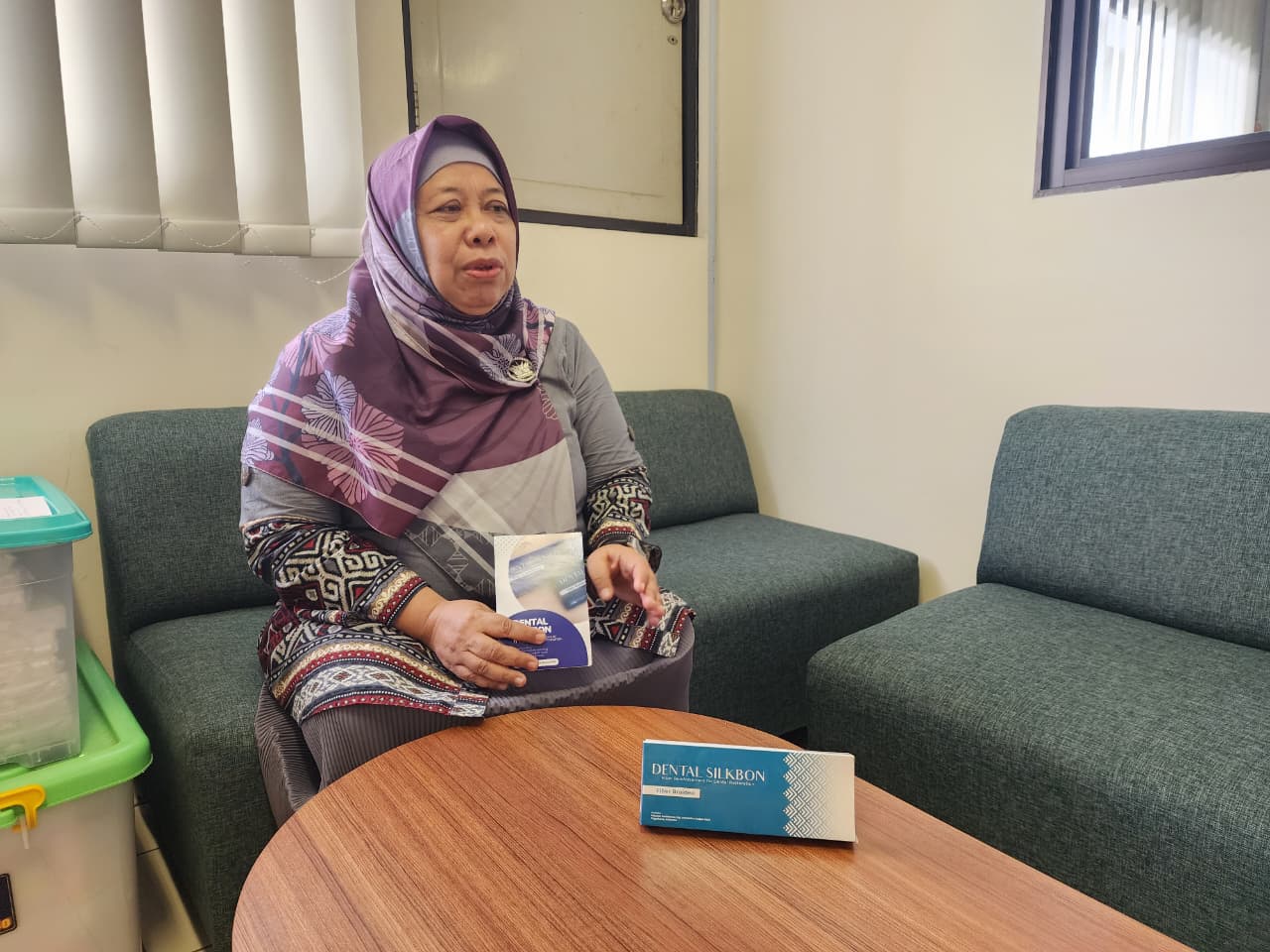
Amid the global push toward environmentally friendly dental practices, a research team from the Faculty of Dentistry, Universitas Gadjah Mada (FKG UGM), has successfully developed a dental filling material based on natural Wajo silk fiber. This innovation, named Dental Silkbon, represents a concrete step toward sustainable dental materials sourced from local Indonesian resources.
This product is designed to reinforce dental filling materials, making them stronger and more durable than conventional composite resins. In addition to large restorations, it can also be used for orthodontic retainers, splinting, and prosthodontic materials. The silk fibers are derived from the cocoons of Bombyx mori, known for their high strength and resistance to breakage, making them suitable for clinical dental applications.
The principal investigator, Prof. Dr. drg. Siti Sunarintyas, M.Kes., explained that the development began from practical needs in dental education. “Initially, it was difficult to find fiber materials for student practice, so we tried to produce our own using local materials. After testing, the strength turned out to be excellent and showed great potential for further development,” she said (3/10).
This research has undergone various stages since 2022. Initially, the product was handmade, then further developed in collaboration with the UGM Faculty of Engineering to create an automatic knitting machine. In 2025, the research entered the industrial prototype validation stage in collaboration with PT Hexa, the only dental material manufacturer in Indonesia. This marks an important step toward mass production and national distribution licensing.
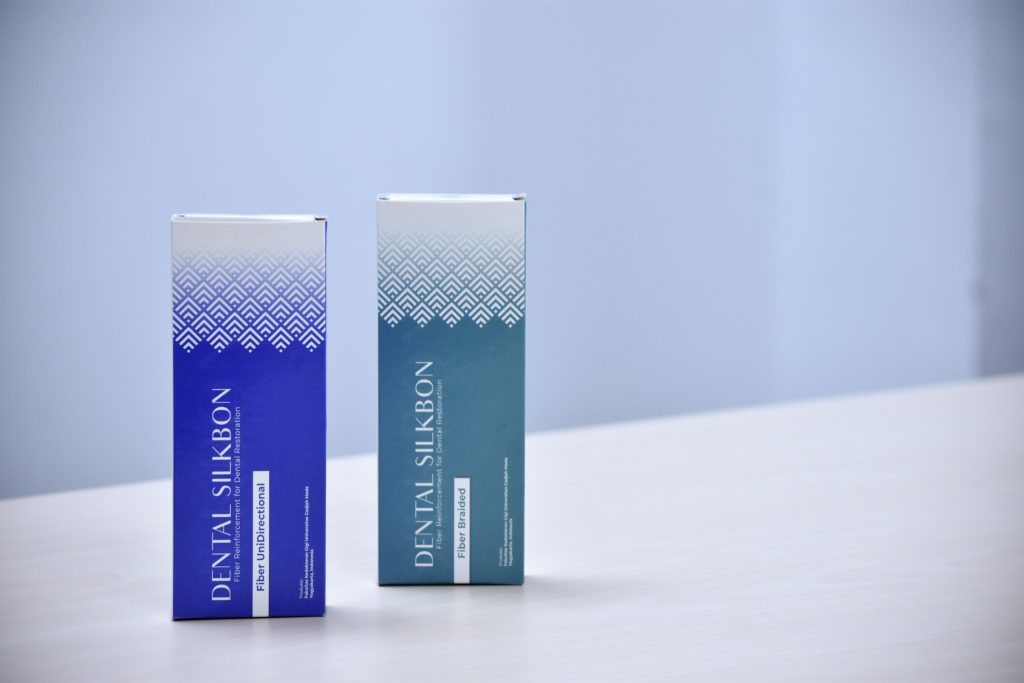
In addition to its mechanical advantages, Dental Silkbon is considered more economical. Its price is estimated to be only about half that of similar imported products because all components are sourced domestically. “This product is environmentally friendly, more affordable, and strengthens the independence of the national dental industry,” Prof. Narin explained.
Another notable advantage is the sustainability of its raw materials. The Wajo silk fibers are sourced from silkworm farms managed by local communities, with significant development potential in eastern Indonesia. By utilizing renewable natural resources, this research aligns with green dentistry principles and supports the achievement of the Sustainable Development Goals (SDGs).
Through this innovation, FKG UGM affirms its role as an educational institution that not only focuses on academics but also produces applied research with real impact on society and national industry. “We want research at FKG UGM to truly reach the community, not stop in the laboratory,” Prof. Narin concluded.
Report: Andri Wicaksono | Writer and Photographer: Fajar Budi Harsakti

