
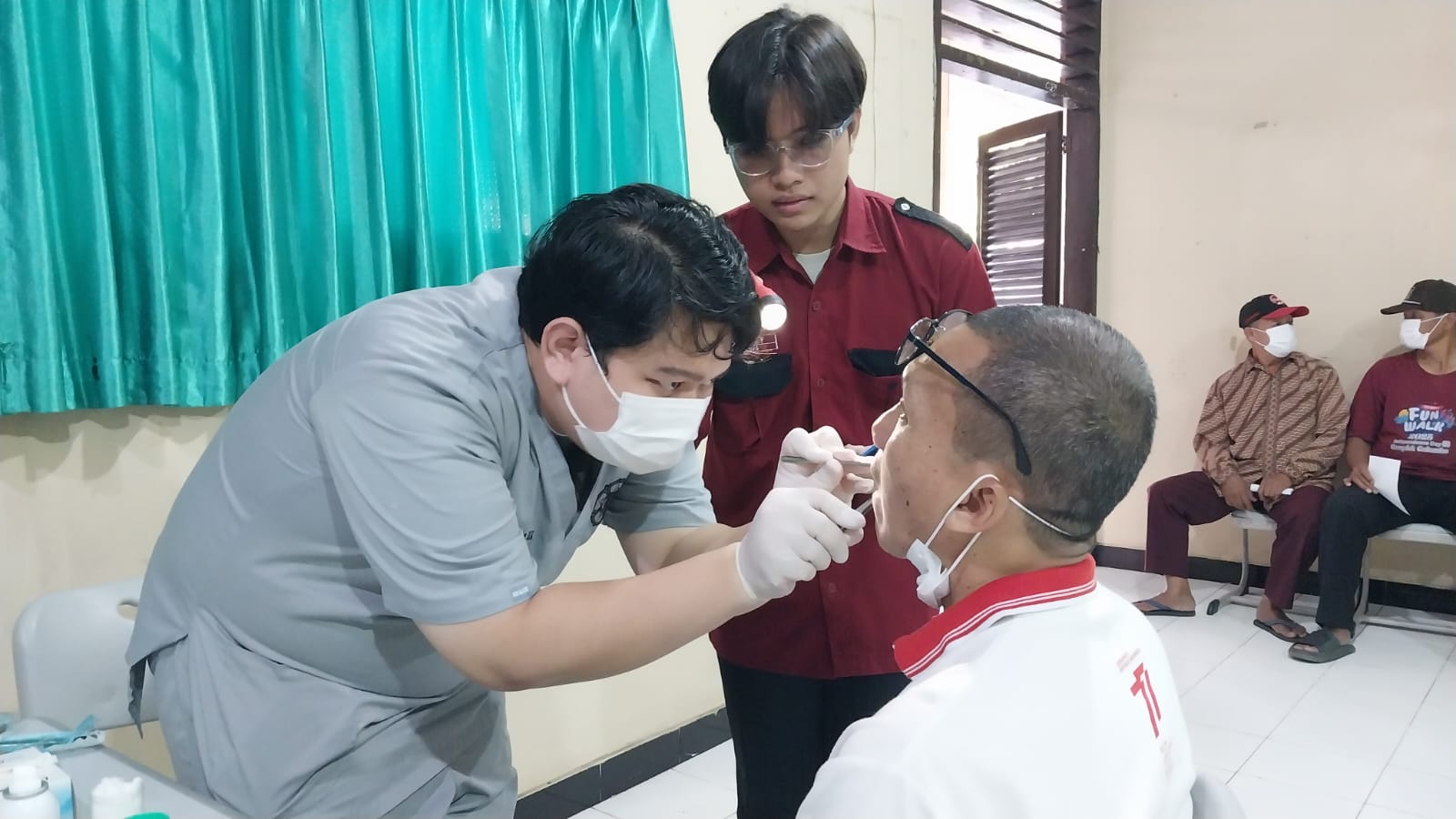
Di tengah meningkatnya kebutuhan masyarakat terhadap layanan kesehatan yang mudah dijangkau, pengabdian kepada masyarakat kembali menunjukkan perannya sebagai jembatan antara dunia akademik dan kebutuhan nyata warga. Fakultas Kedokteran Gigi Universitas Gadjah Mada (FKG UGM) mengambil bagian dalam kegiatan Khitan Berkah, Pemeriksaan Kesehatan, dan Kajian Akbar yang diselenggarakan oleh MT Nusaibah bersama Yayasan Muslim Afiyah di Masjid Jenderal Soedirman, Demangan Baru, Sleman, Minggu (28/6/2026). Kegiatan tersebut menghadirkan berbagai layanan kesehatan gratis, mulai dari pemeriksaan kesehatan umum, kesehatan mata, kesehatan gigi dan mulut, hingga khitan massal.
Keikutsertaan FKG UGM bukan sekadar memenuhi undangan sebagai institusi pendidikan tinggi. Lebih dari itu, kehadiran sivitas akademika menjadi wujud nyata implementasi Tri Dharma Perguruan Tinggi, khususnya pengabdian kepada masyarakat. Di tengah masih rendahnya kesadaran sebagian masyarakat terhadap pentingnya pemeriksaan gigi secara berkala, kegiatan seperti ini menjadi strategi yang efektif untuk mendekatkan layanan kesehatan kepada masyarakat sekaligus membangun budaya pencegahan penyakit.
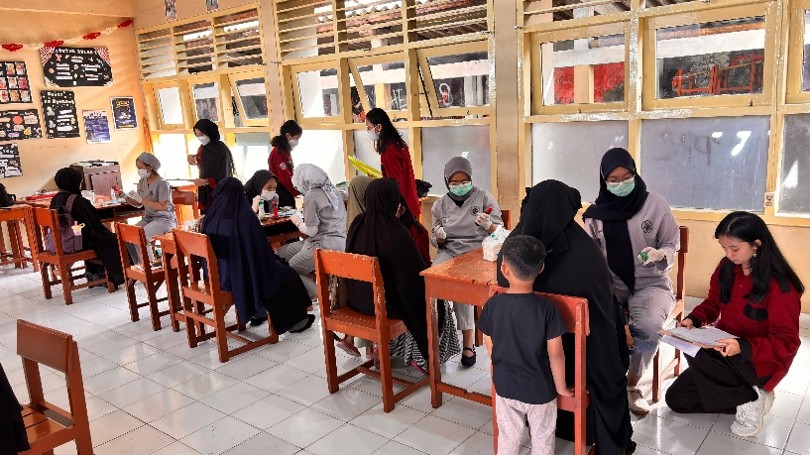
Fenomena kesehatan gigi di Indonesia selama ini masih menghadapi tantangan besar. Banyak masyarakat baru mendatangi dokter gigi ketika rasa sakit sudah tidak tertahankan. Padahal, berbagai penyakit gigi dan mulut sesungguhnya dapat dicegah melalui pemeriksaan rutin, edukasi yang tepat, serta perubahan perilaku hidup sehat. Karena itu, pendekatan promotif dan preventif menjadi sama pentingnya dengan pelayanan kuratif.
Dalam kegiatan tersebut, pelayanan kesehatan gigi dan mulut dilaksanakan di bawah pendampingan Dokter Penanggung Jawab Pelayanan (DPJP), yaitu drg. Kadek Gede Putra Wibawa, MDSc. dan drg. Rizqi Nurarifka Walupi, Sp.Ort. Kehadiran tenaga profesional memastikan setiap peserta memperoleh pemeriksaan awal yang komprehensif sekaligus edukasi mengenai cara menjaga kesehatan rongga mulut secara benar.
Bagi FKG UGM, pemeriksaan kesehatan bukan hanya aktivitas pelayanan medis, tetapi juga media edukasi yang mampu mengubah pola pikir masyarakat. Melalui konsultasi langsung, masyarakat memperoleh pemahaman mengenai pentingnya menjaga kebersihan gigi sejak usia dini, menghindari faktor risiko penyakit mulut, hingga pentingnya melakukan pemeriksaan berkala sebelum muncul keluhan.
Dalam sambutannya, drg. Rizqi Nurarifka Walupi, Sp.Ort., menyampaikan apresiasi atas kesempatan kolaborasi tersebut.
“Kami menyampaikan terima kasih atas undangan dan kesempatan yang diberikan kepada FKG UGM untuk turut berpartisipasi dalam kegiatan pengabdian kepada masyarakat ini. Kegiatan seperti ini menjadi ruang penting untuk mendekatkan layanan kesehatan gigi dan mulut kepada masyarakat, sekaligus meningkatkan kesadaran akan pentingnya menjaga kesehatan rongga mulut.”
Ungkapan tersebut menggambarkan bahwa keberhasilan pembangunan kesehatan tidak hanya bergantung pada fasilitas pelayanan kesehatan, tetapi juga pada kemitraan yang kuat antara perguruan tinggi, organisasi masyarakat, lembaga sosial, dan komunitas. Kolaborasi lintas sektor menjadi modal penting dalam memperluas akses layanan kesehatan, terutama bagi masyarakat yang memiliki keterbatasan akses maupun ekonomi.
Secara kritis, kegiatan semacam ini menunjukkan bahwa tantangan kesehatan masyarakat tidak dapat diselesaikan melalui pendekatan sektoral semata. Perguruan tinggi memiliki tanggung jawab moral untuk menghadirkan ilmu pengetahuan di tengah masyarakat, bukan hanya di ruang kuliah dan laboratorium. Pengabdian yang berkesinambungan menjadi indikator bahwa institusi pendidikan tidak berhenti pada pencapaian akademik, tetapi turut membangun kualitas hidup masyarakat.
Di sisi lain, kegiatan pelayanan kesehatan gratis perlu dipandang sebagai langkah awal, bukan solusi akhir. Edukasi harus diikuti dengan pembinaan berkelanjutan agar masyarakat memiliki kebiasaan menjaga kesehatan gigi dan mulut secara mandiri. Kesadaran preventif inilah yang pada akhirnya akan menekan angka penyakit gigi, mengurangi beban pembiayaan kesehatan, sekaligus meningkatkan kualitas hidup masyarakat. Kolaborasi antara FKG UGM, MT Nusaibah, dan Yayasan Muslim Afiyah menjadi contoh bahwa sinergi lintas lembaga mampu menghadirkan manfaat nyata bagi masyarakat luas.
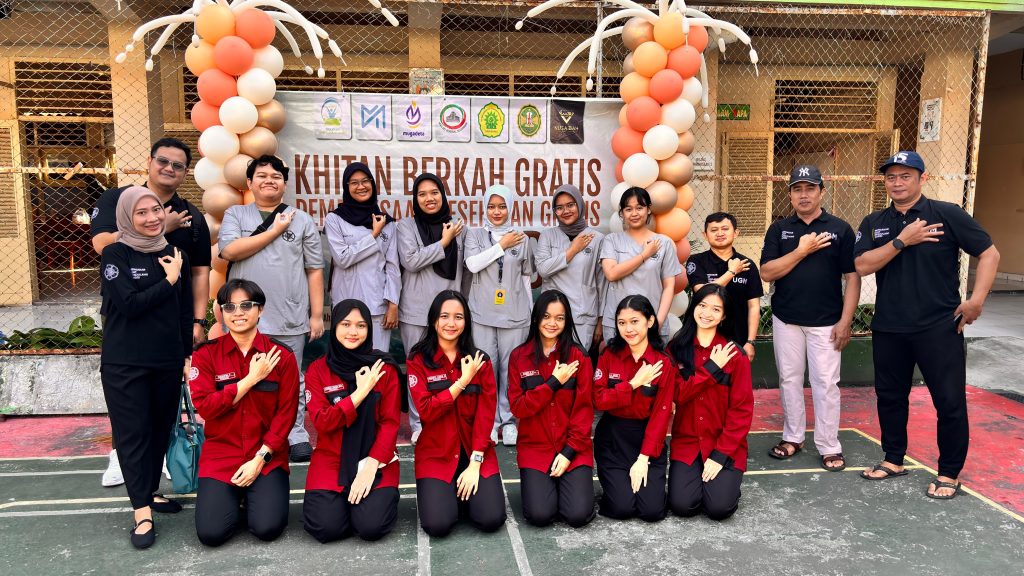
Tentunya, keberhasilan sebuah kegiatan pengabdian bukan hanya diukur dari banyaknya peserta yang dilayani, melainkan dari perubahan kesadaran yang ditinggalkan. Ketika masyarakat mulai memahami bahwa menjaga kesehatan gigi adalah investasi bagi kesehatan tubuh secara keseluruhan, maka pengabdian tersebut telah melampaui fungsi pelayanan, menjadi gerakan pemberdayaan. Di titik itulah perguruan tinggi benar-benar menjalankan perannya sebagai agen perubahan sosial, menghadirkan ilmu pengetahuan yang tidak hanya mencerdaskan, tetapi juga meningkatkan derajat kesehatan gigi masyarakat yang senantiasa menginspirasi.
(Kontributor: drg. Kadek Gede Putra Wibawa, MDSc., Redaksi: Andri Wicaksono)

