
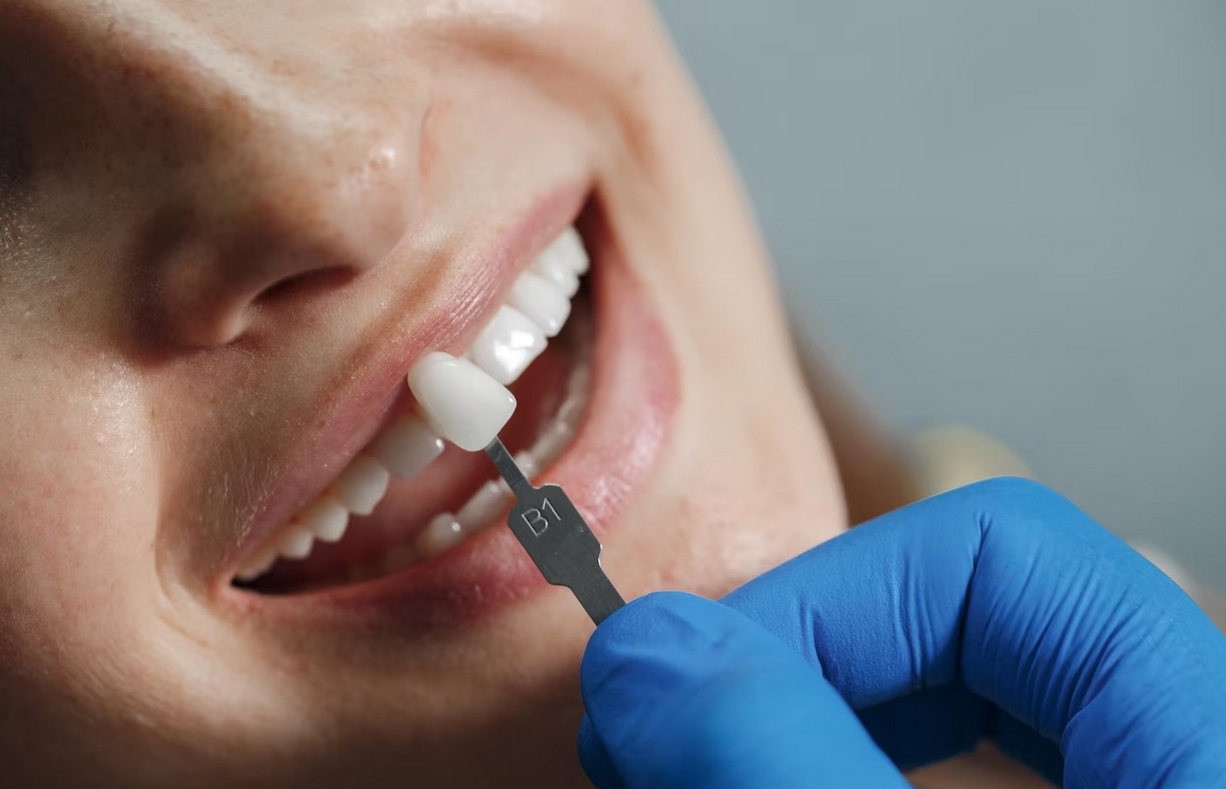
Composite resin restorations have become a popular esthetic restorative option in dentistry due to their ability to mimic natural tooth color and their good adhesion to tooth structures. However, one major challenge is the color stability of resin materials against external factors such as staining agents from food and beverages, temperature variations, and duration of exposure, all of which may cause discoloration and reduce esthetic quality. This article evaluates factors influencing resin restoration discoloration and its impact on long-term durability.
Factors Affecting Resin Restoration Discoloration
Some key variables that influence color changes in resin materials include:
- Resin Material Composition
Composite resins consist of an organic matrix (such as Bis-GMA, UDMA) and filler phases (glass or ceramic particles). The filler ratio, size, distribution, and the quality of bonding between filler and resin matrix influence the material’s ability to absorb or resist staining agents. Nanofiller or nanohybrid materials tend to exhibit different staining behaviors compared to microfilled resins. - Exposure to Staining Agents
Beverages such as coffee, tea, and wine contain chromogens that may penetrate the resin surface or microporosities. Research conducted by an FKG UGM student, Aditya Krisna Murti, under the supervision of Dr. drg. Ema Mulyawati, M.S., Sp. KG(K), and drg. Tunjung Nugraheni, M.Kes, Sp. KG(K), titled “Discoloration of nanohybrid composite resin can occur due to the absorption of staining agent from beverage like coffee. Increased temperature and duration of the immersion may cause in increased discoloration”, confirmed that environmental conditions such as temperature and exposure duration significantly influence discoloration. - Temperature and Duration of Exposure
Temperature and immersion time significantly affect color changes. In the study, nanohybrid resin immersed in coffee solution at higher temperatures (54 °C) and longer durations (4 days) exhibited greater discoloration compared to lower temperatures (4 °C) or shorter exposure times (2 days). - Surface Condition, Finishing, and Maintenance
Smoother restoration surfaces with proper finishing exhibit lower staining penetration. Oral hygiene, dietary habits, and regular professional cleaning also influence color stability.
Clinical Implications
Key implications for clinical practice include:
- Material selection: Dentists should consider resin type (e.g., nanohybrid vs. conventional) and request color stability data from suppliers.
- Patient education: Patients should be informed that staining beverages and smoking may accelerate discoloration.
- Oral environment control: Maintaining good oral hygiene and regular professional cleaning can reduce discoloration risk.
- Service life expectations: Understanding that resin restorations may discolor over time helps manage patient expectations.
- Finishing and maintenance: Proper finishing, polishing, and surface protection (sealants or glazes) can prolong color stability.
Recommendations for Future Research and Practice
Based on the cited research findings and evaluation of the above clinical factors, some recommendations are:
- Further long-term clinical studies comparing different composite resin brands and formulations.
- Studies on finishing or coating interventions to reduce stain absorption.
- Monitoring restorations under real-world oral conditions with variable temperature, pH, and dietary habits.
- Development of clinical guidelines for material selection and patient education regarding color stability.
***
Resistance to discoloration is a critical aspect of esthetic resin restorations. Material composition, exposure to staining agents, temperature, exposure duration, finishing quality, and patient habits all play important roles. Research indicates that higher temperatures and longer immersion times significantly increase discoloration in nanohybrid composite resins. Therefore, appropriate material selection, optimal finishing, and patient education are essential for maintaining long-term esthetic outcomes.
References
ADITYA KRISNA MURTI, Dr. drg. Ema Mulyawati, M.S., Sp. KG(K) ; drg. Tunjung Nugraheni, M.Kes, Sp. KG(K), PERUBAHAN WARNA PADA RESIN KOMPOSIT NANOHIBRID YANG DIRENDAM DALAM LARUTAN KOPI PADA SUHU 4 derajat celcius DAN 54 derajat celcius DENGAN LAMA PERENDAMAN YANG BERBEDA, https://etd.repository.ugm.ac.id/penelitian/detail/156282
Author: Rizky B. Hendrawan | Photo: Freepik

