
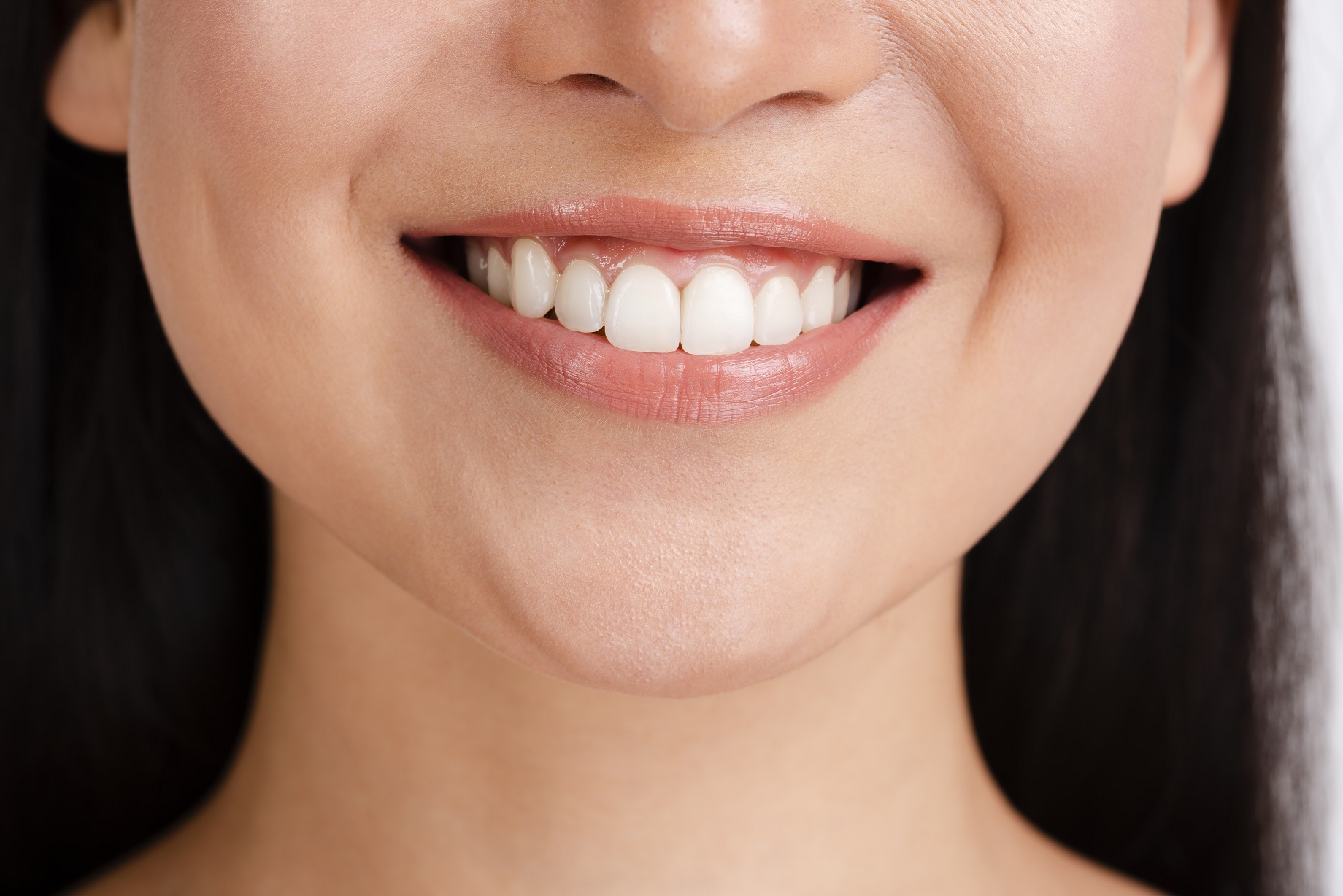
Smile aesthetics is one of the key aspects of modern orthodontics, as it reflects not only visual balance but also the health and function of the stomatognathic system. Technological innovations, such as tele-orthodontics, have opened new possibilities in the evaluation and treatment of patient smiles—offering improved accessibility and efficiency.
Tele-Orthodontics vs. In-Office Care: The Importance of Clear Instructions
A study conducted by FKG UGM student Dimar Pangestika Sari, under the supervision of Dr. drg. Cendrawasih A. F., M.Kes., Sp.Ort(K), explored the validity of tele-orthodontics in evaluating smile elements. The study compared assessments of smile components—such as midline alignment, smile arc, buccal corridor, and anterior smile height—before and after applying standardized orthodontic smile instructions via tele-orthodontics, and further compared the results to in-office evaluations.
Key findings include:
- There were no significant differences between smile photographs taken via tele-orthodontics and in-office assessments (p > 0.05).
- However, a significant difference was found in buccal corridor and anterior smile height before and after standardized smile instruction via tele-orthodontics (p < 0.05).
These results emphasize that clear and consistent instructions are essential for obtaining valid smile photographs and accurate evaluations through tele-orthodontics.
Smile Aesthetic Elements in Orthodontic Practice
Smile aesthetics are evaluated based on several components, including:
- Dental midline — the alignment of upper and lower central incisors.
- Smile arc — how the curvature of the upper teeth follows the contour of the lips.
- Buccal corridor — the visible space at the sides of the mouth when smiling; ideally balanced, not too wide or too narrow.
- Anterior smile height — the proportion of the front teeth visible when smiling.
These features can be assessed holistically, supported by tele-orthodontic technology to ensure consistent and reliable photographic data.
Benefits of Tele-Orthodontics in Modern Orthodontic Care
- Expands access to care: Patients in remote areas can consult without traveling.
- Time and cost efficiency: Reduces unnecessary in-office visits.
- Accurate repeated evaluations: Consistent smile instructions allow for reliable photographic comparisons.
- Enhanced collaboration: Orthodontists can easily share and discuss tele-orthodontic images with colleagues for treatment planning.
Challenges and Recommendation
Despite its advantages, tele-orthodontics requires attention to several factors:
- Image quality and lighting must be well-controlled.
- Standardized smile instructions need to be implemented to ensure uniform photo documentation across patients and locations.
- Continuous validation , as demonstrated in Dimar Pangestika Sari’s study, is essential to ensure accurate evaluation results.
***
Tele-orthodontics with standardized smile instructions can produce smile aesthetic evaluations comparable to in-office assessments, particularly when proper guidance is provided. This development supports a more flexible, efficient, and inclusive orthodontic practice—without compromising treatment quality.
References
Dimar Pangestika Sari, Dr. drg. Cendrawasih A. F., M.Kes., Sp. Ort(K), Comparison of Smile Analysis Using Tele-Orthodontics and In-Office Methods, https://etd.repository.ugm.ac.id/penelitian/detail/227790
Author: Rizky B. Hendrawan | Photo: Freepik

