
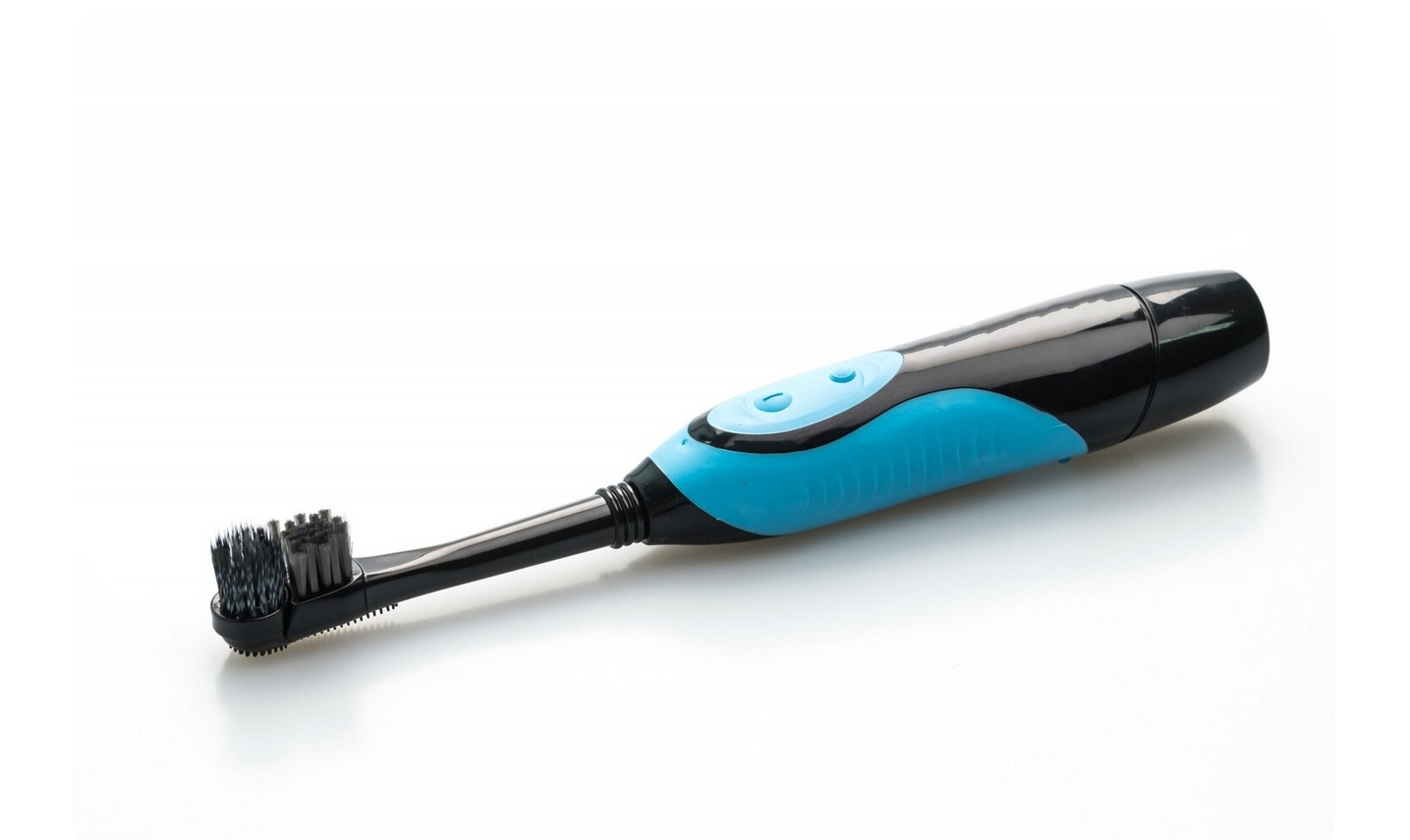
Plaque control is a fundamental component of maintaining oral health. Inadequate plaque removal can lead to gingivitis, dental caries, and even periodontal disease. The two most commonly used dental cleaning tools are manual and electric toothbrushes. Debate regarding their relative effectiveness continues, particularly in the context of patients using fixed orthodontic appliances, who face a higher risk of plaque accumulation.
Toothbrush Effectiveness
Manual toothbrushes have been used for decades and remain the preferred choice for most people. Their advantages include ease of use, affordability, and availability in various bristle designs, head sizes, and handle variations. However, the effectiveness of manual toothbrushes depends heavily on brushing technique, duration, and frequency. For many individuals—especially children and orthodontic patients—maintaining consistent and proper technique can be challenging.
In contrast, electric toothbrushes are designed to minimize variability in brushing technique. Oscillating, rotating, or sonic vibration movements enhance cleaning efficiency, particularly in hard-to-reach areas. Several studies indicate that electric toothbrushes are more effective than manual ones in reducing plaque and gingivitis, especially among individuals with motor limitations or those undergoing orthodontic treatment.
Related Research
These findings are supported by research conducted by a student of FKG UGM, Krisbudi Hudiyoko, under the supervision of drg. Soehardono, D., MS., Sp.Ort(K), entitled “Comparison of the Effectiveness of Manual and Electric Orthodontic Toothbrushes With and Without Cetylpyridinium Chloride Antiseptic Mouthwash on Plaque Reduction in Fixed Orthodontic Appliance Users: A Study Using Begg Technique Phase I.” The study revealed that electric toothbrush use significantly improved plaque removal compared to manual toothbrushes among orthodontic patients, particularly when combined with adjunctive agents such as antiseptic mouthwash.
Nevertheless, the effectiveness of electric toothbrushes also depends on brushing frequency, duration, and the user’s understanding of how to optimize the device’s features. Additionally, higher costs compared to manual toothbrushes may be a consideration for some users. Ultimately, the choice between electric and manual toothbrushes should be tailored to individual needs, abilities, and preferences.
Overall, electric toothbrushes offer advantages in ease of use and consistency, often resulting in better plaque reduction—particularly for high-risk individuals. However, manual toothbrushes remain effective when used with proper technique. Education on brushing techniques and oral hygiene behaviors remains the key determinant of successful plaque control, regardless of the type of toothbrush used.
References
HUDIYOKO, Krisbudi, drg. Soehardono, D., MS.,Sp.Ort(K), Perbandingan efektivitas sikat gigi ortodontik manual dan elektrik dengan dan tanpa obat kumur antiseptik Cetylpyridinium Chloride terhadap penurunan plak pada pemakai alat ortodontik cekat :: Kajian pada Teknik Begg tahap I, https://etd.repository.ugm.ac.id/penelitian/detail/33682
Penulis: Rizky B. Hendawan | Foto: Freepik

