
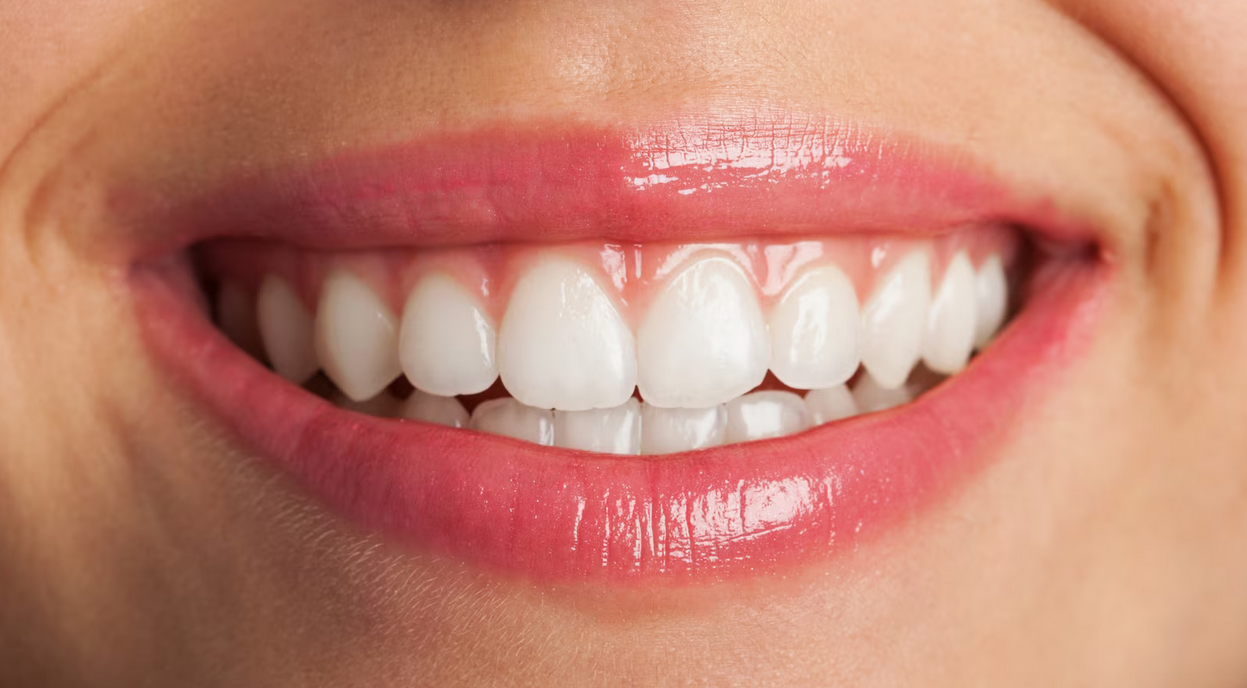
Esthetic composite restorations are one of the primary procedures in modern dentistry, aimed at restoring the form, function, and esthetics of teeth damaged by caries, trauma, or discoloration. As patient expectations increasingly demand restorations that are not only durable but also closely resemble natural teeth, the design and application techniques of composite materials have evolved rapidly.
A well-designed composite restoration depends not only on material selection but also on placement techniques, polymerization, and surface finishing and polishing. These factors determine the clinical success of the restoration in terms of both durability and long-term esthetic appearance.
Principles of Esthetic Composite Restoration Design
Esthetic composite restoration design must balance mechanical strength with visual harmony. Key principles include:
- Conservation of Natural Tooth Structure
Composite restorations should preserve as much healthy tooth structure as possible. This minimally invasive approach enhances adhesion and maintains tooth integrity. - Appropriate Shade and Opacity Selection
Composite resin shade selection should match the patient’s natural tooth color. Variations in opacity are used to mimic enamel and dentin layers, resulting in a more natural appearance. - Natural Contour and Morphology
Anatomical features such as grooves, ridges, and developmental lines should be carefully reconstructed to maintain both esthetic balance and occlusal function. - Lighting and Polymerization Technique
Optimal light curing is essential to ensure complete polymerization, prevent excessive shrinkage, and maintain color stability of the restoration. - Finishing and Polishing
The final stage of composite restoration significantly influences surface quality, gloss, and resistance to discoloration. Proper polishing techniques can extend the lifespan of the restoration while preserving esthetics.
Related Research
A study conducted by a student of the Faculty of Dentistry, Universitas Gadjah Mada, Fajar Satrio, under the supervision of Dr. drg. Ema Mulyawati, M.S., Sp.KG (K), entitled “Pengaruh Teknik Pemolesan One-Step System dan Multi-Step System pada Perubahan Warna Permukaan Resin Komposit Mikrohibird Setelah Perendaman dalam Larutan Kopi Hitam (Penelitian Laboratorium)”, provides important insights into the role of polishing techniques in composite restoration esthetics.
The results showed that the multi-step polishing system resulted in less color change compared to the one-step system after immersion in black coffee solution. This is attributed to the smoother surface achieved by the multi-step technique, which reduces the absorption of staining agents from the surrounding environment.
These findings confirm that the quality of esthetic restorations depends not only on the composite resin material used but also on proper finishing and polishing techniques. Smooth, glossy surfaces not only enhance appearance but also improve resistance to discoloration, plaque accumulation, and abrasion.
Esthetic Aspects of Restoration Design
The esthetics of composite restorations are determined not only by color but also by the interaction between materials, light, and tooth anatomy. Important aspects include:
- Translucency and Fluorescence: Modern composite resins are designed to replicate the optical properties of natural teeth.
- Surface Texture: Enamel-like surface textures create realistic light reflection.
- Symmetry and Proportional Balance: Restorations should follow smile proportions and facial harmony to achieve optimal esthetic results.
By considering all these factors, composite restoration design can achieve results that closely resemble natural teeth in both function and appearance.
Clinical Implications and Recommendations
Based on research findings and clinical practice, several recommendations for esthetic composite restoration design include:
- Use multi-step polishing techniques to achieve more stable color outcomes.
- Select microhybrid or nanohybrid composite resins for an optimal balance of strength and esthetics.
- Apply layering techniques to mimic natural tooth color.
- Perform incremental curing to prevent distortion and maintain bond strength.
- Consider dietary and lifestyle factors such as coffee, tea, and smoking, which may accelerate discoloration.
***
Esthetic composite restoration design represents an integration of material science, clinical skill, and an understanding of natural dental esthetics. Research demonstrates that multi-step polishing techniques provide superior results in maintaining surface color stability. Therefore, proper polishing techniques are a critical step in achieving composite restorations that are not only functional but also possess long-term esthetic durability.
References
FAJAR SATRIO, Dr. drg.Ema Mulyawati, M.S.,Sp.KG (K), “Pengaruh Teknik Pemolesan One-Step System dan Multi-Step System pada Perubahan Warna Permukaan Resin Komposit Mikrohibird Setelah Perendaman dalam Larutan Kopi Hitam (Penelitian Laboratorium)”, https://etd.repository.ugm.ac.id/home/detail_pencarian_downloadfiles/720729
Author: Rizky B. Hendrawan | Photo: Freepik

