
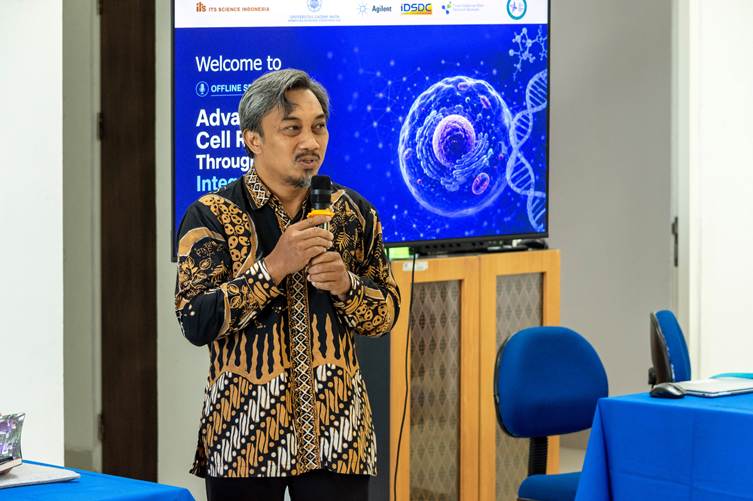
Amid increasing threats from antibiotic resistance and the high prevalence of periodontal diseases that cause damage to tooth-supporting tissues, researchers at the Faculty of Dentistry, Universitas Gadjah Mada (FKG UGM), are pursuing new breakthroughs through the development of smart biomaterials and advanced cell analysis technologies. These efforts open opportunities for regenerative therapies and more effective vaccine delivery systems while demonstrating the growing capacity of Indonesia’s healthcare research sector at the global level.
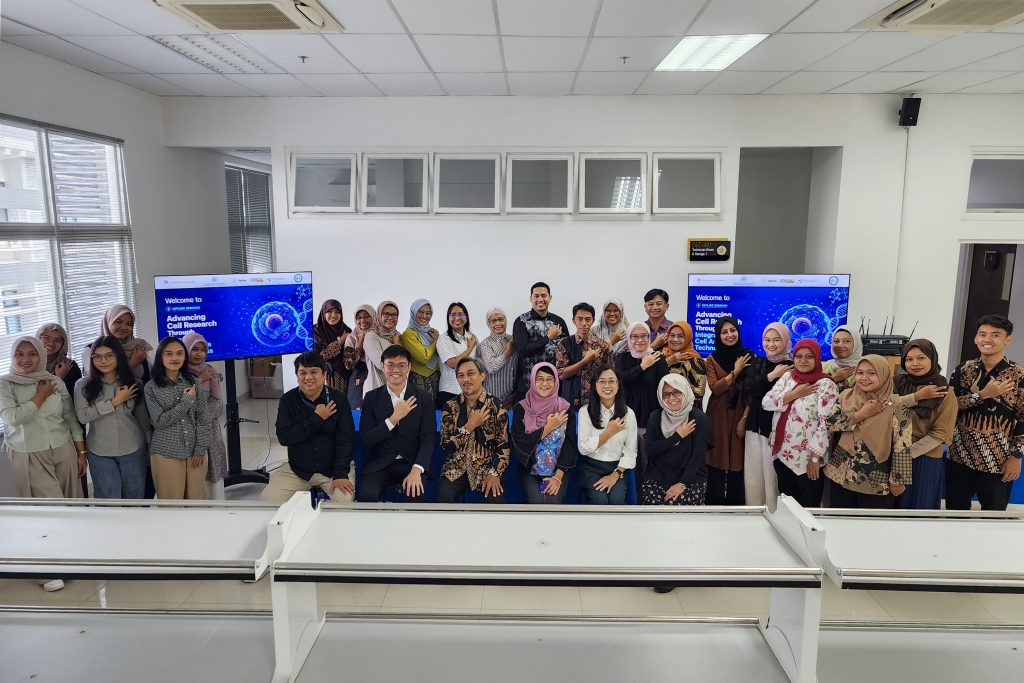
This vision was highlighted by the Head of the Biomedical Department at FKG UGM, drg. Ruslin, M.Kes., Ph.D., during a forum on cell analysis technology organized by FKG UGM in collaboration with an international industry partner on 9 June 2026. The forum brought together researchers, students, and industry representatives to discuss the latest developments in cell imaging, cellular metabolism analysis, and biomaterial engineering for future healthcare needs.
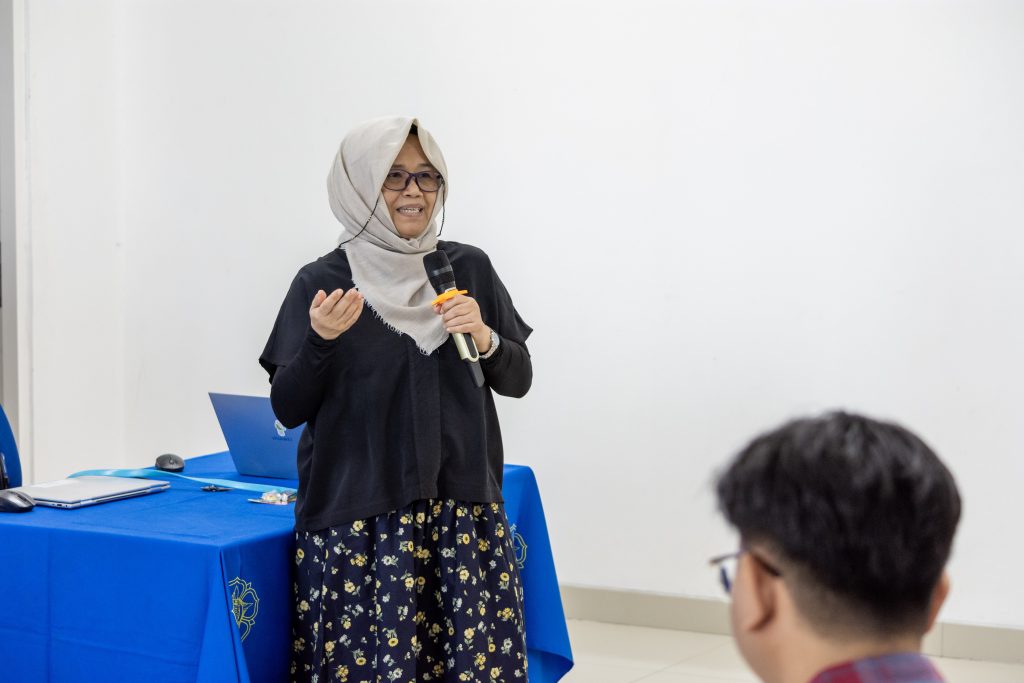
During the seminar, FKG UGM Professor Prof. drg. Ika Dewi Ana, M.Kes., Ph.D., presented various research projects currently being developed to address long-standing challenges in dentistry, particularly chronic infection cases.
According to Prof. Ika, many regenerative materials have demonstrated promising results under normal conditions but lose their effectiveness when applied to infected tissues.
“In infected conditions, the tissue environment becomes more acidic, causing various scaffolds implanted into the tissue to degrade more quickly. As a result, the therapy cannot function optimally,” she explained.
This challenge has encouraged the research team to develop multifunctional scaffolds, namely biomaterials that not only support tissue regeneration but also remain stable in infected environments and possess antibacterial properties.
This issue has become increasingly important as the healthcare sector faces the growing threat of antibiotic resistance. Dependence on antibiotics in various therapies is increasingly being questioned regarding its long-term effectiveness. In this context, biomaterial research has emerged as one of the most promising alternatives.
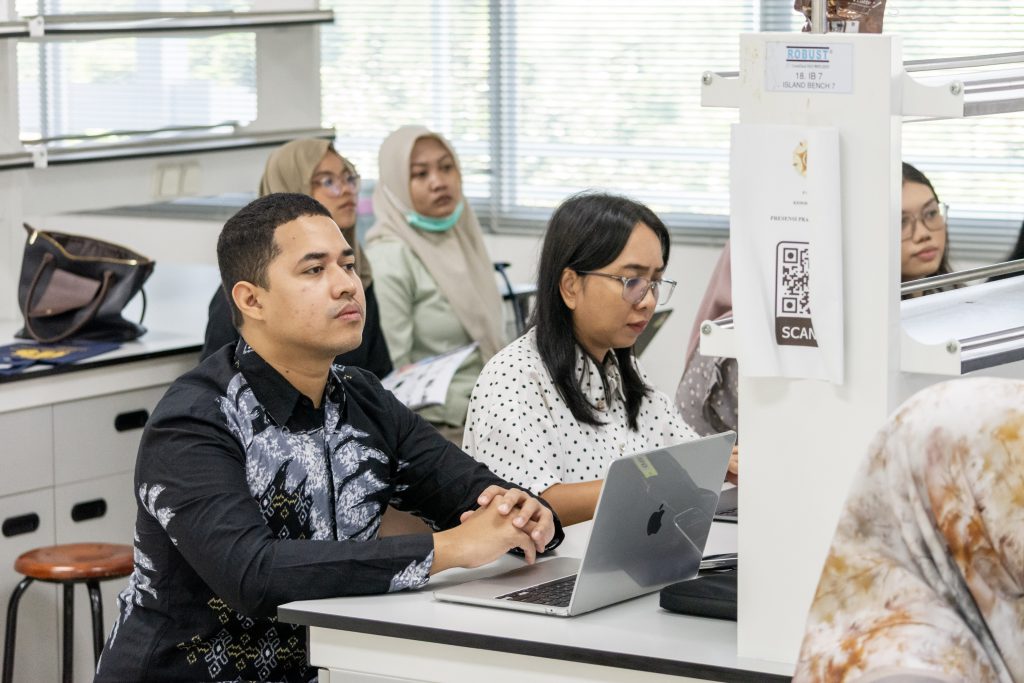
Utilizing Local Potential
Interestingly, some of these studies utilize natural materials available in Indonesia. Various biological materials are being explored to produce biomaterials that are safe for the human body while also demonstrating antibacterial activity.
This approach shows that healthcare innovation does not always have to rely on expensive imported technologies. Indonesia’s biodiversity can become a valuable source for developing new healthcare products with international competitiveness.
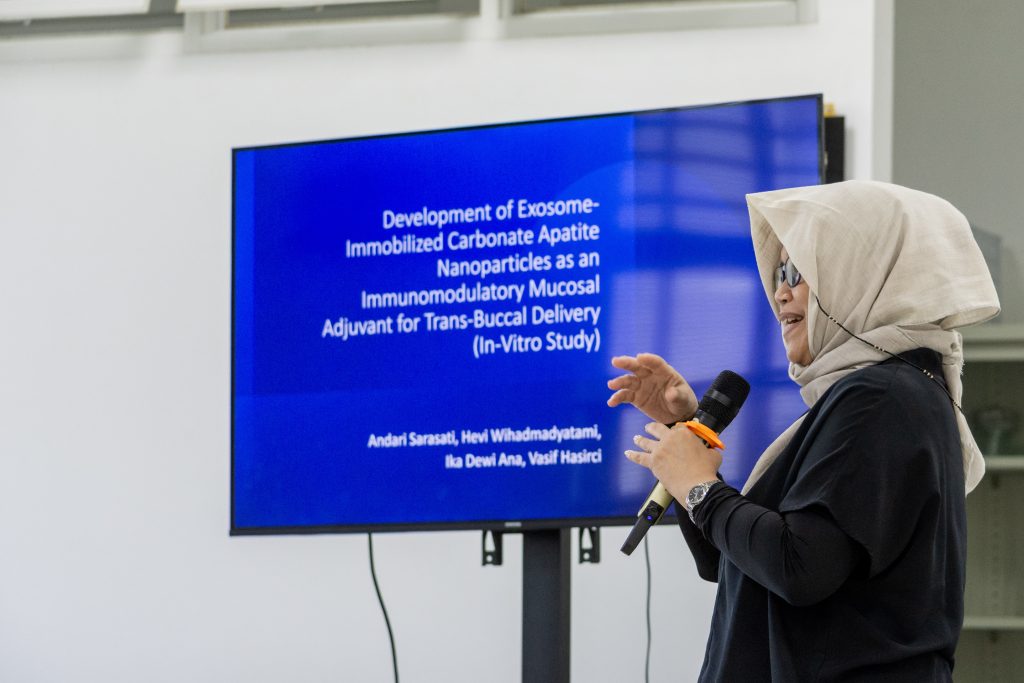
However, FKG UGM’s research does not stop at biomaterial development. The research team is also developing carbonate apatite nanoparticles coated with exosomes for immunomodulation and antigen delivery applications.
This technology is based on the understanding that the oral cavity contains a very high density of dendritic cells, even exceeding that found in several other mucosal tissues in the body.
“This condition creates significant opportunities for developing mucosal vaccines and oral cavity-based immunomodulatory technologies,” said Prof. Ika.
In various laboratory tests, the nanoparticles developed by the research team demonstrated strong cellular internalization capabilities and promising biocompatibility levels.
Furthermore, research findings indicate that these materials have competitive performance compared with aluminium hydroxide, or alum, a vaccine adjuvant that has been widely used and internationally recognized.
This discovery has strategic significance because it demonstrates that Indonesian researchers have the potential to provide alternative healthcare technologies that have traditionally been dominated by developed countries.
Observing Cells in Real Time
The seminar also featured Jowin Ng from Agilent Technologies Singapore, who introduced the latest developments in next-generation cell analysis technology.
According to Jowin, the paradigm of biomedical research is currently shifting from static observation toward real-time monitoring of cellular activities.
For many years, numerous studies have relied on endpoint assays, which involve measurements taken at a specific point in time. This approach is considered insufficient to fully describe the biological dynamics occurring within cells.
“ Real-time cell analysis technology allows researchers to continuously monitor cellular changes, even within seconds. Through this approach, we can understand biological processes more comprehensively,” he explained.
This technology enables researchers to study how cells respond to drugs, biomedical materials, or infectious agents in real time. The resulting information is richer compared with conventional methods that only provide a snapshot at a single moment.
For dentistry, this capability is highly significant because it can accelerate the development of biomaterials, regenerative therapies, biofilm research, and vaccine technologies.
Building Scientific Independence
Behind discussions on nanoparticles, exosomes, and confocal imaging, the seminar reflected a new direction in the development of healthcare higher education in Indonesia.
Universities are no longer merely institutions that produce graduates but are also becoming centers for knowledge creation and technological innovation.
FKG UGM represents an example of how educational institutions are entering advanced research fields through the development of regenerative technologies, organ-on-chip systems, biosensors, and cellular metabolism analysis.
These efforts demonstrate that Indonesia’s research capabilities continue to grow and are becoming increasingly prepared to compete internationally.
Nevertheless, significant challenges remain. Limited facilities, research funding constraints, and the need for multidisciplinary collaboration continue to be issues that must be addressed collectively.
Therefore, partnerships between universities and industries, such as the collaboration established through this seminar, are considered essential to accelerate the downstream application of research outcomes so that innovations do not remain confined to laboratories.
For the academic community, the message emerging from this forum is clear: the future of healthcare will not only depend on advanced technologies purchased from abroad but also on a nation’s ability to build a strong and sustainable research ecosystem.
The pulse of campus laboratories continues to nurture hope. In time, innovative biomaterials, vaccine technologies, and regenerative therapies used by communities around the world may emerge from research conducted by Indonesian scientists.
(Reporter: Andri Wicaksono, Photographer: Fajar Budi Harsakti)