
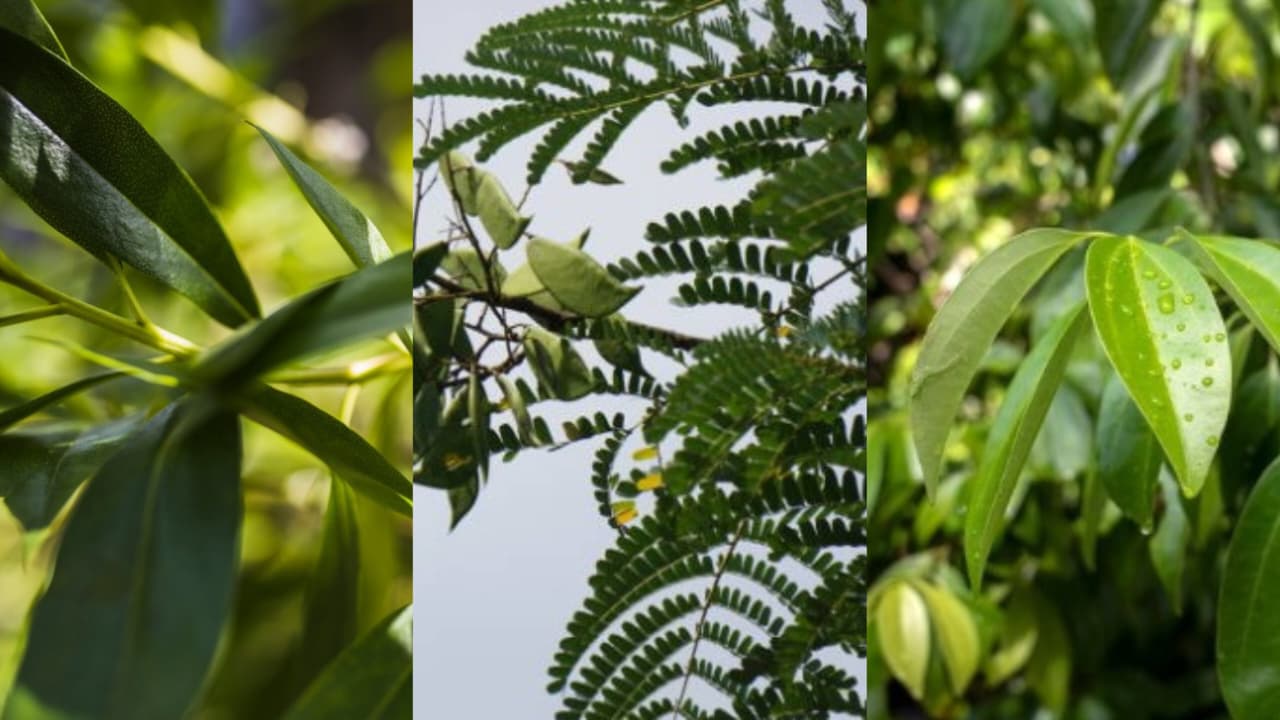
Researchers from the Faculty of Dentistry, Universitas Gadjah Mada, have demonstrated that extracts from the leaves and bark of three herbal plants — eucalyptus, sappanwood, and cinnamon — can inhibit the formation of Streptococcus mutans biofilm, the primary bacterium responsible for dental caries. The findings were published in the April 2023 edition of Indonesian Dentistry Magazine and open up promising possibilities for developing natural-ingredient mouthwash as an alternative to chlorhexidine, which has long been widely used but is associated with several undesirable side effects.
The Enemy in the Mouth: Biofilm and the Beginning of Tooth Decay
Dental caries is not simply a matter of dirty teeth. The process of tooth destruction begins long before a cavity becomes visible, when S. mutans adheres to the tooth surface and forms a sticky layer known as biofilm — more commonly referred to as dental plaque. Within this biofilm, bacteria convert sugars from food into acids, which gradually erode the minerals in tooth enamel.
Data from the Basic Health Research (Riskesdas) showed that the DMF-T index among people aged 35–44 increased from 5.4 in 2013 to 7.02 in 2018. This figure represents the average number of decayed, missing, or filled teeth per person — and the trend continues to rise. Untreated caries is not merely a matter of pain; its consequences include impaired chewing, disrupted growth and development in children, and even reduced cognitive ability.
Chlorhexidine gluconate 0.2% has long been considered the gold standard for antiplaque mouthwash. However, long-term use can have consequences, including tooth discoloration, dry mouth, and a burning sensation in the oral cavity. These undesirable effects have driven the search for alternatives derived from natural ingredients.
Three Plants, One Goal
The study, led by drg. Trianna Wahyu Utami, MD.Sc., Ph.D., from the Department of Biomedical Dentistry, Faculty of Dentistry, UGM, tested 70% ethanol extracts from the leaves and bark of eucalyptus (Melaleuca leucadendra), sappanwood (Caesalpinia sappan), and cinnamon (Cinnamomum zeylanicum) at three concentrations: 50%, 25%, and 12.5%.
Testing was performed using the Crystal Violet Biofilm Assay in a 96-well microplate. S. mutans ATCC 25175 was incubated with each extract for 24 hours at 37°C. After staining with crystal violet and measuring absorbance, the results were compared with a positive control (0.2% chlorhexidine) and a negative control (1% DMSO).
The results were quite striking. At a concentration of 50%, all extracts — from both the leaves and bark — significantly inhibited biofilm formation compared with the negative control group (p < 0.05). Most notably, 50% sappanwood leaf extract achieved an 83.88% biofilm inhibition rate, while 50% cinnamon leaf extract achieved 75.37%. Neither showed a statistically significant difference from 0.2% chlorhexidine, which achieved 89.78%.
“Sappan leaf and cinnamon leaf at 50% concentration exhibit no significant difference with the positive control.” — Trianna Wahyu Utami et al., Majalah Kedokteran Gigi Indonesia, 2023
In other words, at the appropriate concentration, sappanwood and cinnamon leaf extracts performed comparably to chlorhexidine-based mouthwash in inhibiting S. mutans biofilm formation.
The Secret Behind the Active Compounds
Why are these three plants effective? The answer lies in their active compounds.
Sappanwood leaves are rich in flavonoids — polar compounds known to possess antimicrobial properties. Flavonoids bind to the enzyme glucosyltransferase (GTF) in S. mutans, a key enzyme involved in building the biofilm structure. Without normally functioning GTF, the bacteria lose their ability to form plaque.
Cinnamon leaves contain eugenol, a phenolic compound that damages bacterial cell membranes and inhibits bacterial respiration. Eugenol has also been shown to inactivate GTF by binding to its nonpolar groups. Meanwhile, eucalyptus leaves contain eucalyptol — a nonpolar compound that enters the aqueous phase and binds to lipid components of bacterial cell membranes, causing cell leakage and inhibiting bacterial growth.
The bark of the three plants contains different active compounds: α-eudesmol in eucalyptus, brazilin in sappanwood, and cinnamaldehyde in cinnamon. Brazilin and cinnamaldehyde work by disrupting the polar groups of bacterial cell walls, causing cytoplasmic leakage and inhibiting bacterial growth.
From the Laboratory to Potential Clinical Applications
This research is still at the in vitro stage — conducted under controlled laboratory conditions and not yet directly tested in humans. Nevertheless, its significance should not be overlooked.
The fact that sappanwood and cinnamon leaves at a 50% concentration were able to compete with chlorhexidine — a gold standard that has been used for decades — provides a strong scientific basis for further research. The researchers themselves recommend that the antimicrobial properties of these three plants be explored further, including their bacteriostatic and bactericidal effects against other clinical pathogens.
Indonesia possesses extraordinary biodiversity. Eucalyptus, sappanwood, and cinnamon are not rare plants — all three are readily available, have long been used in traditional medicine, and are now receiving serious attention from the scientific community. If products based on these three plants successfully pass a series of clinical trials, it is entirely possible that a safe and effective herbal mouthwash could one day become part of Indonesians' routine oral health care.
Authors: Achmad Zam Zam Aghasy, DDS, M.Kes.; Hazra Alifia Muharam
Photo: Freepik, Pixabay
Source DOI: http://doi.org/10.22146/majkedgiind.83283