
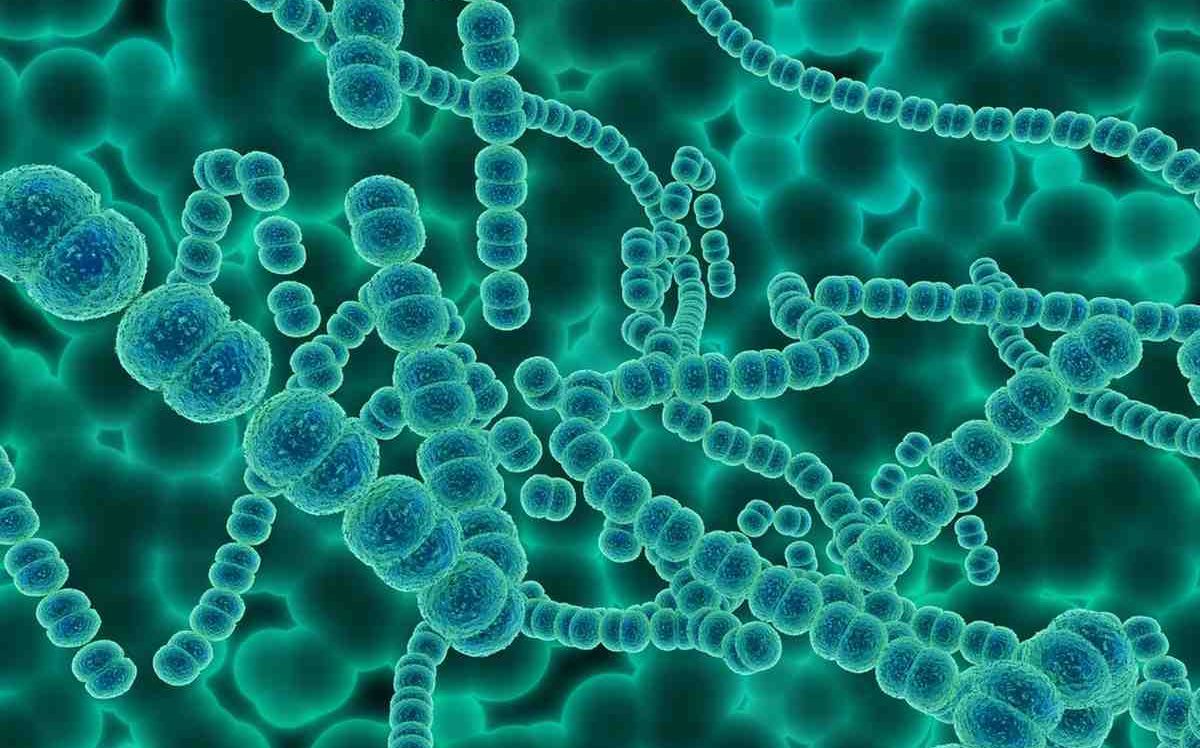
Tooth whitening or bleaching can produce a brighter smile, but it also has a consequence that is often overlooked: the enamel surface can become rougher, more susceptible to bacterial adhesion, and more vulnerable to demineralization. Dr. drg. Yulita Kristanti, M.Kes., Sp.KG(K), a researcher from the Department of Conservative Dentistry, Faculty of Dentistry, Universitas Gadjah Mada, together with a multidisciplinary research team, addressed this concern in a study published in the December 2013 issue of Dental Journal (Majalah Kedokteran Gigi). Their research demonstrated that applying fluoride-containing CPP-ACP (Casein Phosphopeptide-Amorphous Calcium Phosphate) before and after in-office bleaching significantly reduced the adhesion of Streptococcus mutans while also decreasing enamel surface roughness.
The desire for whiter teeth leads many people to visit dentists for in-office bleaching, a whitening procedure performed directly by a dentist using a high-concentration hydrogen peroxide gel. Compared with at-home whitening methods, the procedure is faster and produces more visible results. However, it is precisely the high concentration of the bleaching agent that creates the problem.
The 40% hydrogen peroxide gel used in the procedure works by oxidizing pigments within the enamel and dentin. Although this process effectively whitens the teeth, it can also remove minerals from the enamel layer. As a result, the enamel surface becomes more porous and rough. This rough surface then provides an ideal site for Streptococcus mutans (S. mutans), the primary bacterium responsible for dental caries. The rougher the enamel surface, the more bacterial colonies can adhere and proliferate.
This creates a dilemma: patients want whiter teeth, yet the whitening procedure may simultaneously create conditions that facilitate further dental damage. This is where the research by Dr. Yulita and her team becomes relevant. The researchers used six extracted maxillary premolars as samples. Each tooth was sectioned into four parts, producing a total of 24 specimens divided into four treatment groups.
Group A received fluoride-free CPP-ACP only after bleaching. Group B received fluoride-free CPP-ACP before and after bleaching. Group C received fluoride-containing CPP-ACP only after bleaching. Group D received fluoride-containing CPP-ACP twice, both before and after the bleaching procedure.
After treatment, all specimens were immersed in sterile human saliva for one hour and then exposed to an S. mutans suspension at a density of 10⁸ CFU before being incubated for 24 hours. The resulting bacterial colonies were counted, while the enamel surfaces were examined using a Scanning Electron Microscope (SEM) at 2,000× magnification to directly observe changes in surface texture.
The test results showed a consistent pattern. Group A, which received fluoride-free CPP-ACP only after bleaching, recorded the highest number of S. mutans colonies and the roughest enamel surface. SEM images revealed numerous pores, dissolved enamel prism edges, and eroded interprismatic substance.
In contrast, Group D, which received fluoride-containing CPP-ACP twice, produced the best results. The enamel surface appeared denser, with more evenly distributed mineral deposits, while the number of adhering S. mutans colonies was the lowest among all groups.
“Application of fluoride-containing CPP-ACP before and after bleaching effectively reduces S. mutans accumulation and enamel surface roughness.” — Yulita Kristanti et al., Dental Journal, 2013
One-way ANOVA confirmed significant differences among the groups (p < 0.005). The only exception was the comparison between Groups A and C, which showed no statistically significant difference. The researchers suspected that this was because the fluoride concentration in the single application received by Group C, at 900 ppm, remained below the effective threshold. In comparison, Group D received two applications, resulting in a total fluoride delivery of 1,800 ppm.
Fluoride works not only by remineralizing enamel but also by inhibiting glucosyltransferase, an enzyme produced by S. mutans that helps bacteria form plaque and adhere to tooth surfaces. Without this enzyme, the bacteria's ability to colonize is substantially reduced.
These findings carry a clear practical message for both dentists and patients. Bleaching does not have to end with a single step. Applying fluoride-containing CPP-ACP as a remineralizing agent both before and after tooth whitening could become a standard protocol to protect patients from often-overlooked adverse effects.
The study also raises further questions about the optimal fluoride dose. The researchers noted that a concentration of 5,000 ppm was more effective than 1,500 ppm in enhancing remineralization, although the appropriate and safe formulation remains a matter of debate among scientists. One thing is certain: teeth that appear white are not necessarily protected unless active measures are taken to restore the integrity of their enamel minerals.
Author: drg. Achmad Zam Zam Aghasy, M.Kes., Annisa Dwi Noviyanti
Photo: FreePik