
Sodium hypochlorite has long been a mainstay for dentists when irrigating root canals. It is effective, inexpensive, and readily available. But it comes at a cost: the solution is toxic to periapical tissues, has a strong taste and odor, and often makes pediatric patients uncomfortable in the dental chair. The question that has lingered among researchers is whether there is a natural alternative that can be equally effective while being more patient-friendly.
Recent research from the Department of Pediatric Dentistry, Faculty of Dentistry, Universitas Gadjah Mada, offers a surprising answer: moringa seeds.
The Hidden Enemy Behind Failed Treatment
Root canal treatment is not simply about removing the nerve. It is a multi-step procedure that requires thorough cleaning, including the smallest spaces within the canal system. And that is precisely where problems often begin.
Enterococcus faecalis, a notoriously persistent Gram-positive bacterium, is frequently found to survive after root canal treatment has been completed. It can survive under nutrient-poor conditions and is resistant to many medications. Previous studies have reported that this bacterium is the main suspected pathogen in 24–77 percent of failed root canal treatment cases. Its presence interferes with tissue healing around the root apex.
Irigasi saluran akar yang efektif menjadi kunci. Dan selama ini, natrium hipoklorit 2,5% adalah standar emas yang digunakan. Tapi standar itu belum tentu yang terbaik untuk semua pasien, terutama anak-anak.
From a Tropical Tree to the Laboratory
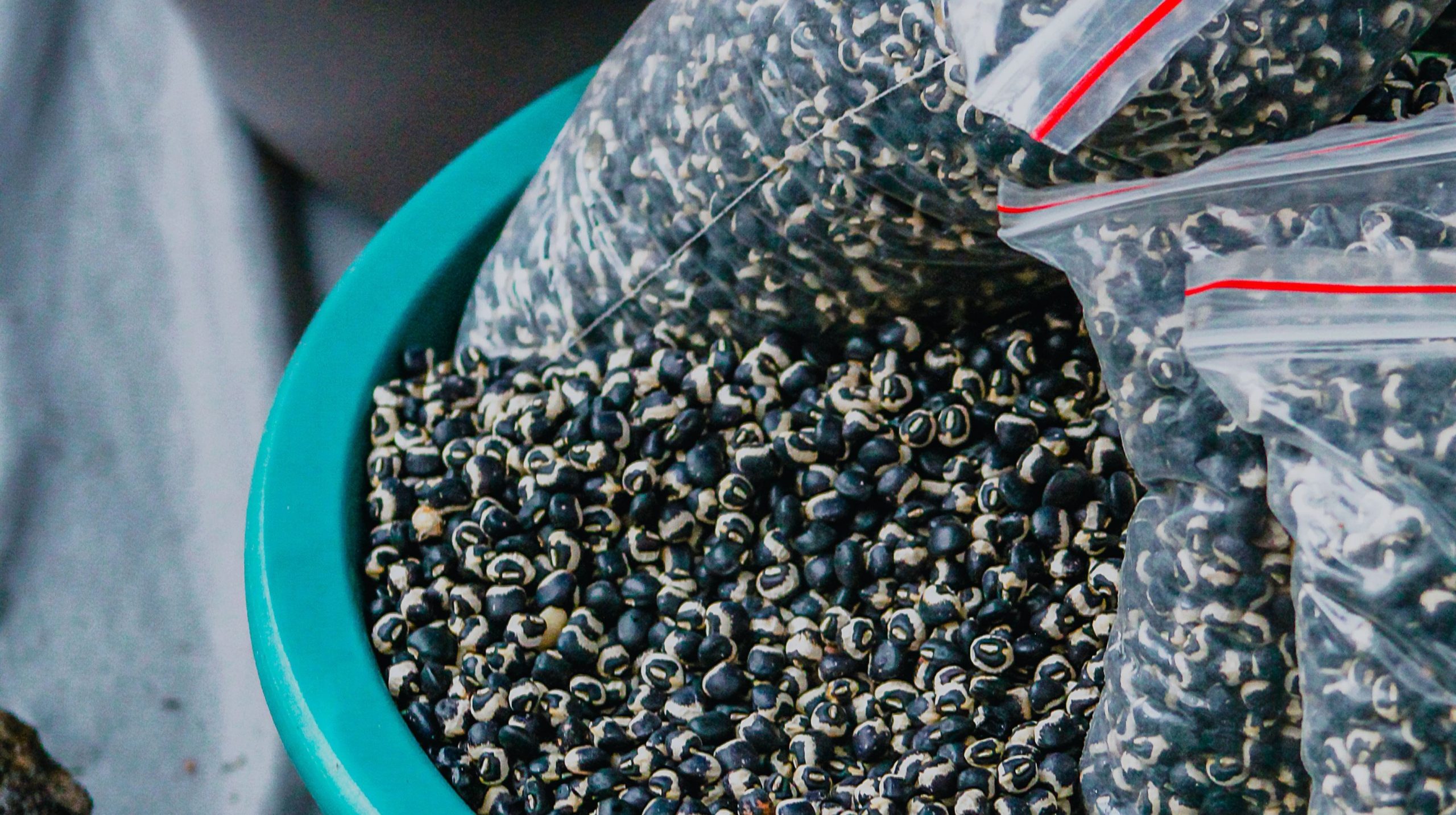
The research team consisted of Ririn Dwi Pratiwi, a postgraduate student, together with Prof. drg. Sri Kuswandari, MS., Sp.KGA., Ph.D., and Rinaldi Budi Utomo from the Department of Pediatric Dentistry, Faculty of Dentistry, Universitas Gadjah Mada. They selected Moringa oleifera seeds as the subject of investigation. The choice was not without reason. Moringa seeds are known to contain the active compound 4-(α-L-rhamnosyloxy) benzyl isothiocyanate, as well as important phytochemicals such as saponins, tannins, alkaloids, and flavonoids, which have potential antimicrobial properties.
The ethanol extract of moringa seeds was prepared through maceration and then tested at four concentrations: 37.5%, 50%, 62.5%, and 75%. A 2.5% sodium hypochlorite solution was used as the positive control, while 10% DMSO served as the negative control. Antibacterial activity was measured using the paper disk diffusion method on Mueller-Hinton Agar, by observing the diameter of the inhibition zones formed around the disks.
The results spoke for themselves.
Inhibition Zones Increased with Concentration
The more concentrated the extract, the wider the clear zone formed around the disk. The 37.5% extract produced an average inhibition zone of only 4.42 mm, which was classified as weak according to the Davis and Stout classification. Concentrations of 50% and 62.5% produced inhibition zones of 7.35 mm and 10.44 mm, respectively, both of which fell into the moderate category.
The most interesting result came from the 75% concentration. It produced an average inhibition zone of 13.51 mm, placing it in the strong category. This figure was still below the 16.38 mm inhibition zone produced by 2.5% sodium hypochlorite, but the difference was not particularly large.
“Ethanol extract of M. oleifera seeds at 37.5%, 50%, 62.5% and 75% had antibacterial effects against E. faecalis, with the 75% had the strongest antibacterial effect compared to other extract concentrations.”
A one-way ANOVA confirmed that the differences between groups were statistically significant (p<0.001). A subsequent LSD test showed that each concentration differed significantly from the others, including the positive control.
The mechanism behind this effect is beginning to become clear. The compound 4-(α-L-rhamnosyloxy) benzyl isothiocyanate works by damaging bacterial cell membranes, reducing their integrity, increasing membrane permeability, and disrupting energy metabolism and DNA replication. The higher the concentration, the more extensive the damage inflicted on the bacterial cell wall.
The Long Road Toward Natural Irrigation
This study does not claim that moringa seeds are ready to replace sodium hypochlorite. Several technical requirements still need to be addressed: an ideal irrigation solution should have low surface tension and a high flow rate so that it can penetrate the dentinal tubules. Toxicity testing on periapical tissues has also yet to be conducted.
Nevertheless, these findings open a promising avenue for further investigation. A plant that grows in household gardens, whose leaves are often used in clear vegetable soup, may apparently contain pharmacological potential relevant to modern dentistry.
For pediatric patients who have long complained about the strong odor of sodium hypochlorite, or for clinicians seeking an alternative with a potentially lower toxicity profile, this research marks the beginning of a longer conversation. One thing is clear: the moringa tree still has more surprises to offer.
Source DOI: http://dx.doi.org/10.30659/odj.10.2.180-187
Authors: Nanda Ayu, drg. Achmad Zam Zam Aghasy, M.Kes.
Photo: Pexels