
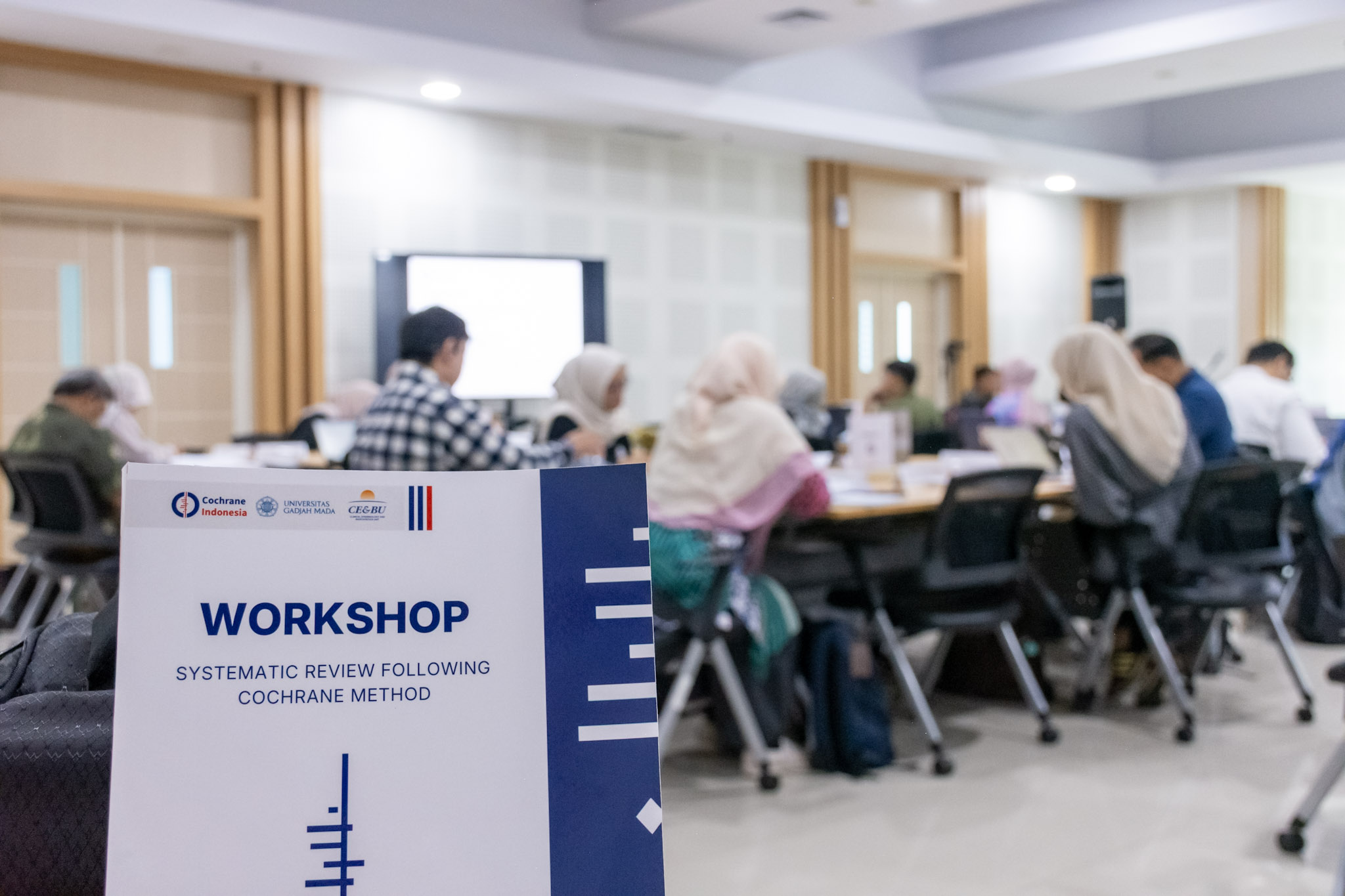
The systematic review method currently enables researchers to synthesise dozens of research findings into a single, accurate medical conclusion. This approach is considered a method capable of producing strong scientific evidence without always requiring researchers to conduct new clinical trials directly involving patients.
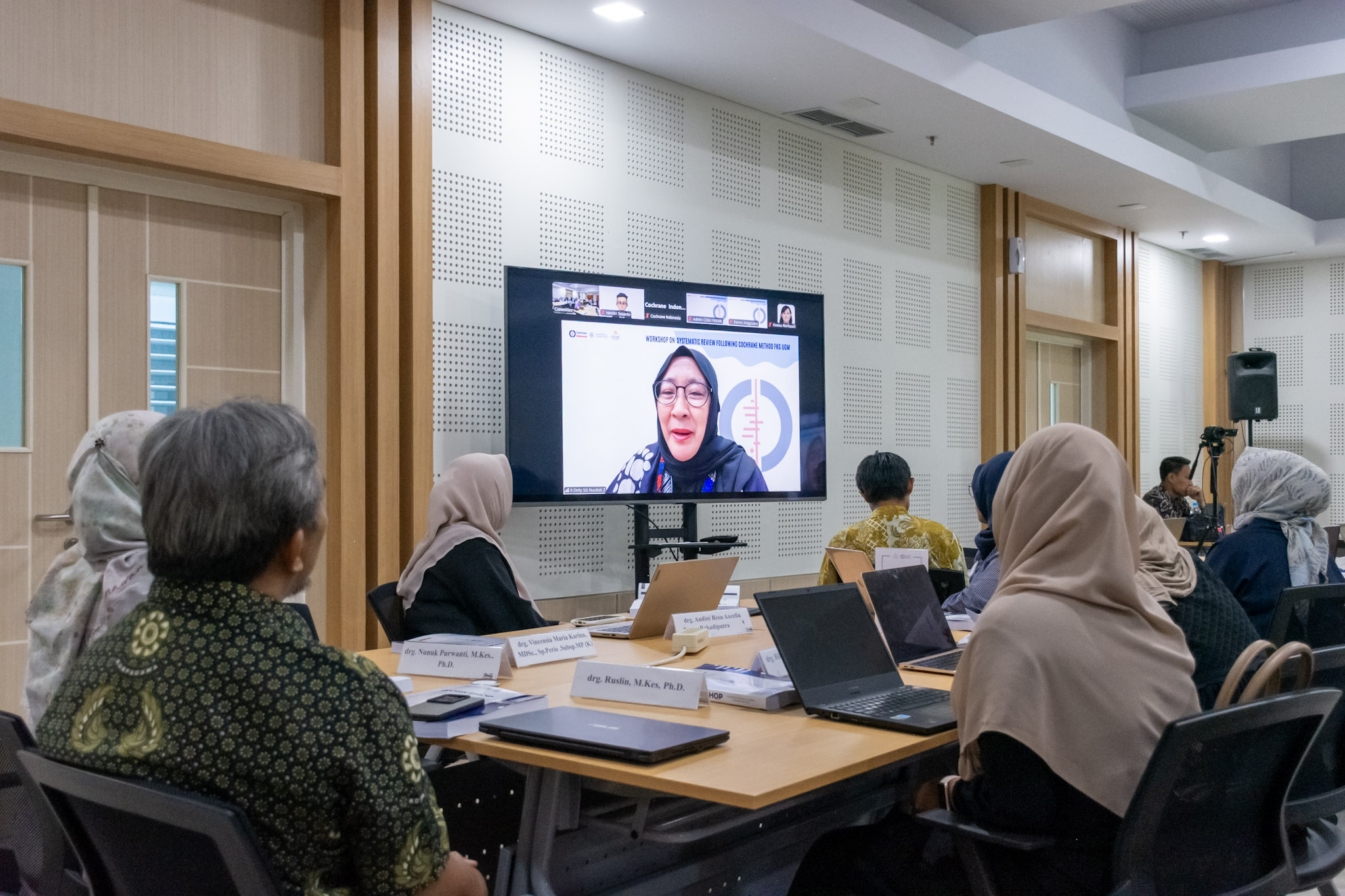
This statement was delivered by Prof. dr. Detty Siti Nurdiati, M.P.H., Ph.D., Sp.O.G., Subsp. K.F.M., Director of Cochrane Indonesia, during a workshop entitled “Systematic Review Following Cochrane Method” held on 16 July 2026.
“Developing a research question is the essential first step in creating a systematic review. From this question, we are guided to determine which data should be included and which should be excluded,” said Prof. Detty during the Zoom meeting.
She further explained that there are three important aspects researchers must consider when conducting this type of research: the use of a research framework, defining topic boundaries, and updating existing evidence. Researchers must establish a clear framework that identifies key elements, including the patient population, medical intervention, and outcomes being measured. Regarding topic boundaries, narrower research topics generally produce data that are easier to analyse, while broader topics provide greater opportunities for comparison. Meanwhile, for topics that have already been extensively published, researchers can collaborate to conduct evidence updates by incorporating findings from the latest studies.
“We must consider the needs of all stakeholders, especially patients, policymakers, and healthcare professionals,” she stated.
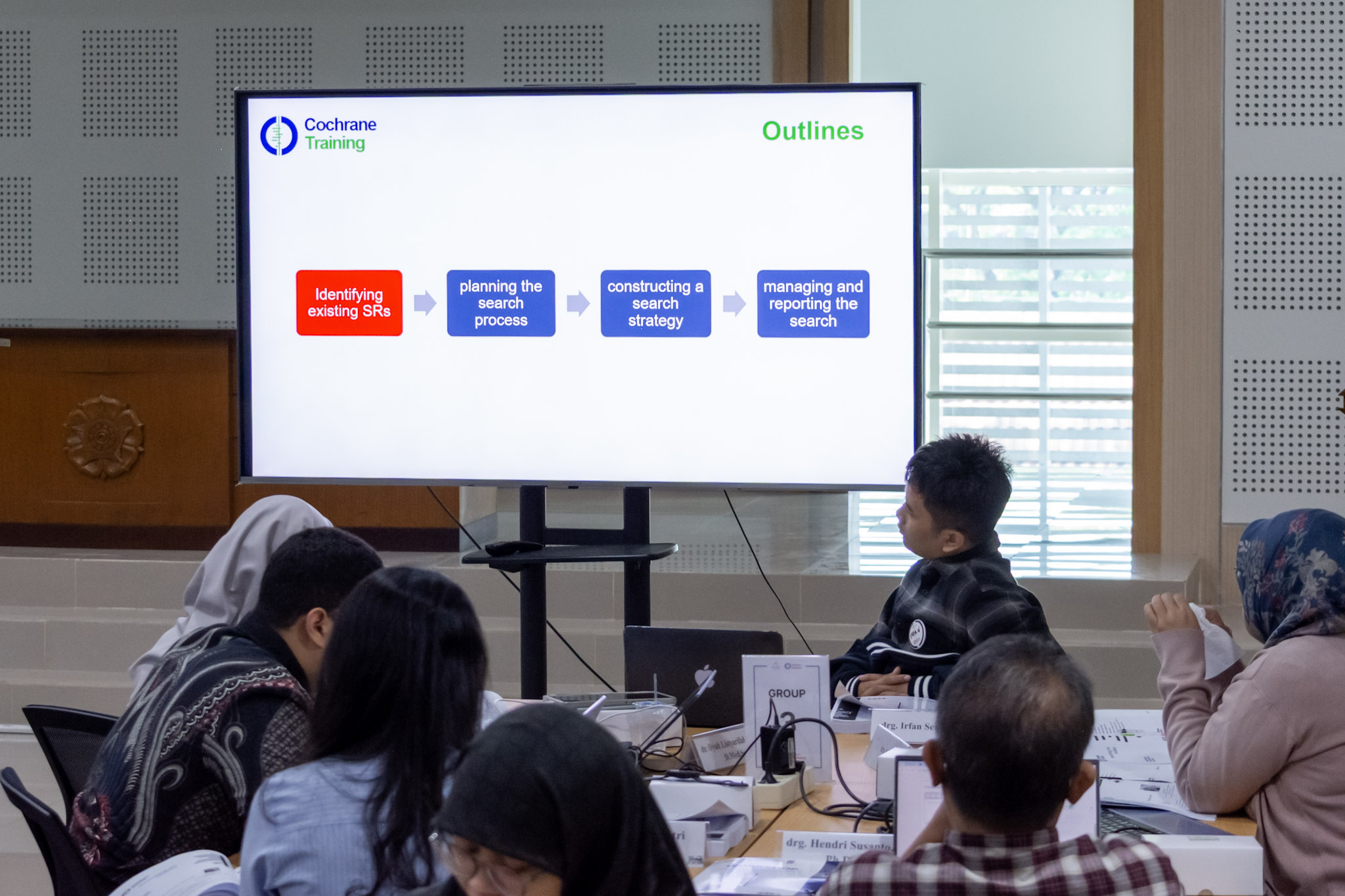

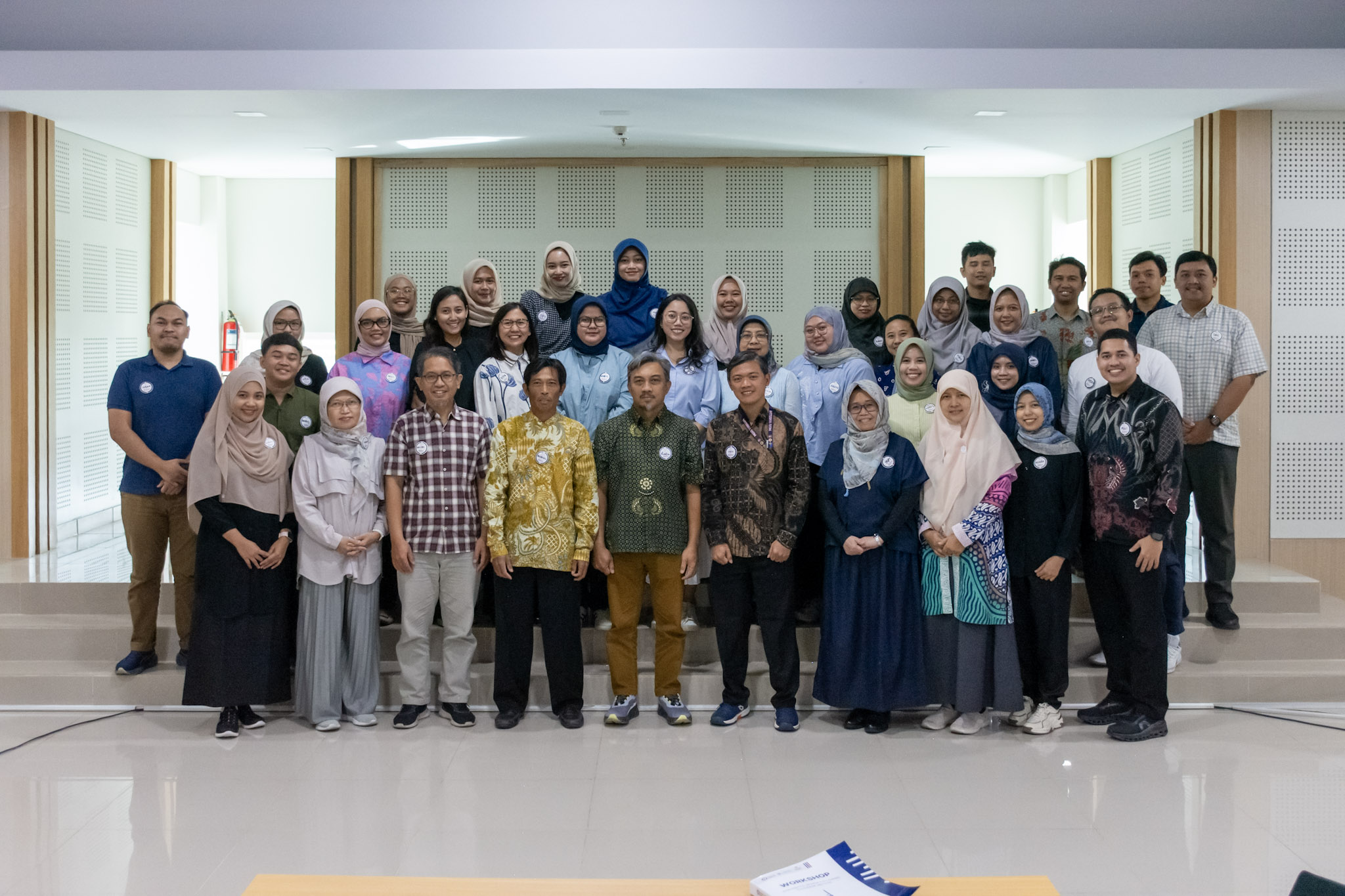
For Prof. Detty, this workshop represented an important milestone for institutions seeking to meet publication standards, particularly those following the Cochrane methodology. She hoped the activity would encourage researchers to address health issues with broad impacts on the international medical community.
“The systematic review method can also be applied to basic science research. We can explore the consistency of findings and compare available intervention options,” she added.
Cochrane Indonesia is an independent research centre that provides reliable medical evidence to support evidence-based healthcare services. Established in 2018, Cochrane Indonesia aims to develop and promote the preparation of systematic reviews according to Cochrane methodological standards.
Meanwhile, Prof. drg. Ika Dewi Ana, M.Kes., Ph.D., a lecturer from the Department of Biomedical Dental Sciences, Faculty of Dentistry, Universitas Gadjah Mada, stated that reputable scientific publications have now become an expected academic output standard. “Every year, we are targeted to produce 15 international publications in reputable journals, so contributions through systematic review-based publications are highly needed,” said Ika.
Author and Photo: Fajar Budi Harsakti