
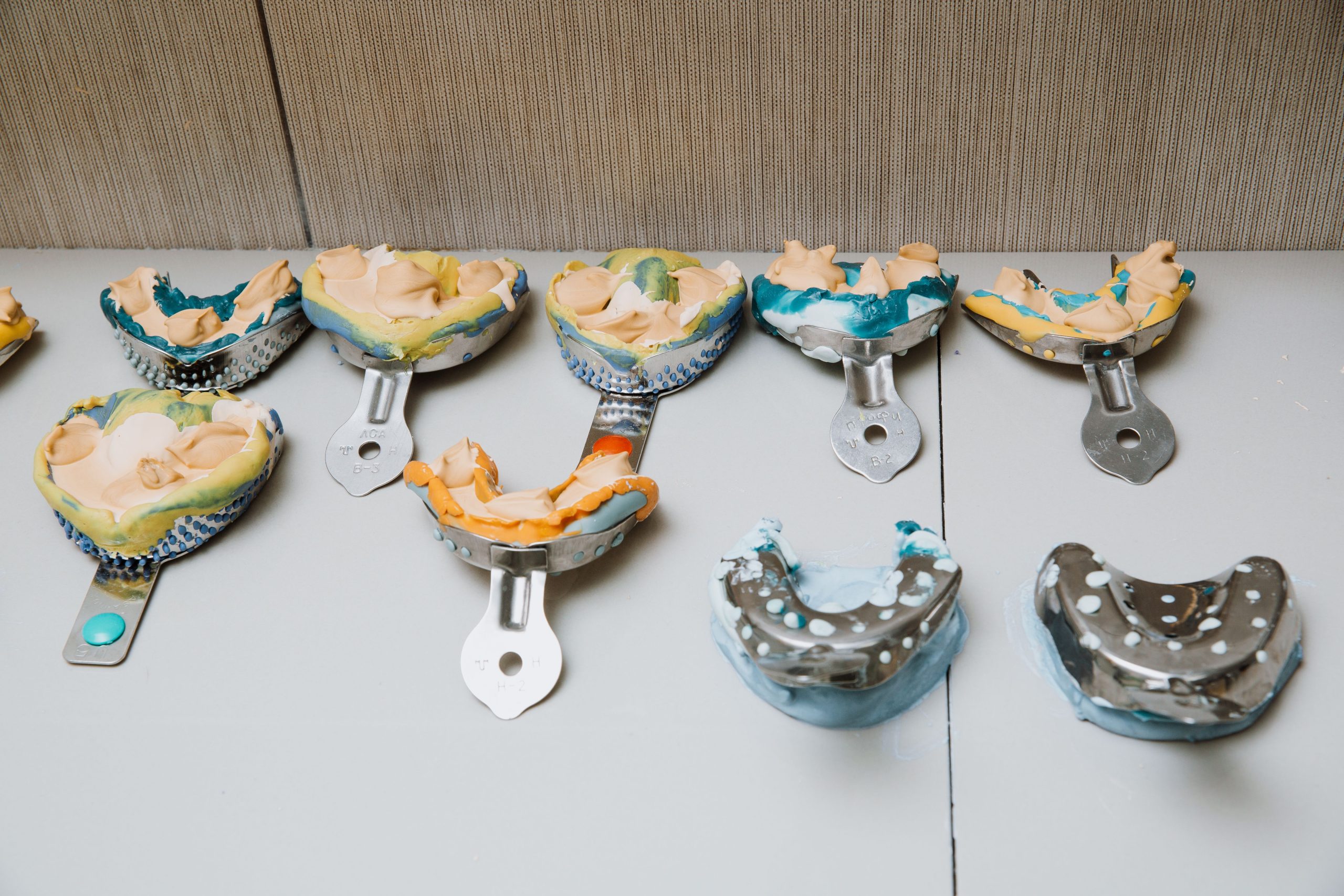
Imagine an eight-year-old child sitting in a dental chair, with their mouth filled with strong-smelling alginate material while a plastic tray presses against the roof of their mouth. A gag reflex appears. Their eyes begin to water. The dentist tries to calm them, but time continues to pass. A procedure that should be routine turns into an experience that may leave a lasting impression—not always a positive one.
This scenario inspired a recent study from the Faculty of Dentistry, Universitas Gadjah Mada (UGM). The research team, led by Dr. Indra Bramanti, DDS, M.Sc., Pediatric Dentistry Specialist (Consultant) from the Department of Pediatric Dentistry at FKG UGM, together with postgraduate student Rahmi Ayu Budi Amalia and colleagues from various departments, published a scoping review in the international journal Jurnal Penelitian Pendidikan IPA (JPPIPA) in its August 2025 edition. The findings were simple yet impactful: digital intraoral scanners are more preferred by children and provide a higher level of comfort compared with conventional dental impression methods.
When Alginate Meets Children’s Anxiety
Conventional dental impression techniques using materials such as alginate or putty have long been considered the standard approach in pediatric dentistry. However, being a standard method does not always mean it is the ideal option. These materials often trigger gag reflexes, create discomfort, and may cause anxiety that influences children’s perceptions of dental visits in the future.
Digital intraoral scanners offer an alternative solution: a small handheld device that scans the oral cavity and produces three-dimensional dental models in real time on a computer screen. There is no need to mix impression materials, no tray pressing against soft tissues, and no waiting period for materials to harden.
The research team reviewed scientific literature from four major databases—Scopus, ScienceDirect, Wiley, and PubMed—covering publications from 2014 to 2024. Among 124 identified articles, only 11 met the strict inclusion criteria and were eligible for analysis. All studies compared digital intraoral scanners with conventional impression methods in pediatric patients under 18 years old, focusing on four main variables: accuracy, patient preference, comfort, and procedure time.
Four Questions, One Surprising Conclusion
The analysis of these 11 studies provided a clear overview. Regarding accuracy, three studies concluded that digital scanners were superior to conventional methods, while three other studies found both approaches comparable. Five studies did not evaluate this parameter. Overall, the findings indicate that digital intraoral scanners are clinically reliable and provide acceptable results for diagnostic purposes and orthodontic appliance fabrication in children.
The most interesting findings involved patient preference. Five out of the 11 studies showed that children consistently preferred digital scanners over conventional impression techniques. One study reported a remarkable finding: 100% of patients preferred the digital method. Another study found that 75% of children aged 6–11 years preferred the experience of using an intraoral scanner. The preference was not limited to children. Parents and clinicians also tended to have greater confidence in this technology due to its efficiency and reduced likelihood of requiring repeated procedures.
“Digital scanners eliminate the need for bulky trays and unpleasant materials, providing a more comfortable and stress-free experience. This improvement in comfort significantly enhances patient cooperation.” — Bramanti et al., JPPIPA, 2025
In terms of comfort, five studies reported that digital scanners were significantly more comfortable, one study found comparable comfort levels between the two methods, and five studies did not evaluate comfort. Children can breathe more freely, experience no foreign materials inside their mouths, and some even become excited when watching their dental models appear in real time on the screen—a small detail that can have a major impact on patient cooperation.
The most varied results were found in the procedure time variable. One study reported that digital scanning was faster, two studies found conventional methods were shorter, two studies considered both methods similar, and six studies did not discuss this factor. According to researchers, these variations were caused by differences in how “procedure time” was defined across studies, the types of scanners used, and the operator’s level of expertise.
Child-Friendly Technology with Remaining Challenges
This scoping review also has several limitations. The researchers acknowledged that the sample sizes of the analyzed studies were relatively small, the age ranges of participants varied widely, and standardized evaluation instruments have not yet been established. Children present unique challenges during digital scanning, including smaller oral cavities, shorter attention spans, and involuntary movements during scanning. These factors may affect scan quality, particularly when capturing the entire dental arch.
Nevertheless, this research provides an important perspective: adopting digital technology in pediatric dentistry is not merely about modernizing equipment—it is about improving the patient experience. Children who feel comfortable during their first dental visits are more likely to grow into adults who are not afraid of visiting the dentist. This is a significant outcome.
The research team recommends that future studies involve larger populations, narrower age ranges, and standardized methods for measuring procedure time. The integration of CAD/CAM technology with intraoral scanners is also identified as a promising area for further exploration.
While research continues, one thing is becoming increasingly clear: a dental impression method that does not make children cry is no longer just a dream in the dental clinic.
Source DOI: 10.29303/jppipa.v11i8.11269
Authors: Nanda Ayu, drg. Achmad Zam Zam Aghasy, M.Kes.
Photo: Pexels