
Isu keberlanjutan lingkungan kini merambah ke ranah kedokteran gigi. Dalam sebuah forum ilmiah internasional yang diselenggarakan oleh Fakultas Kedokteran Gigi Universitas Gadjah Mada (UGM) kamis (9/26), perwakilan akademisi dan praktisi kesehatan dari berbagai penjuru dunia berkumpul guna membahas masa depan pelayanan kesehatan yang lebih ramah lingkungan.
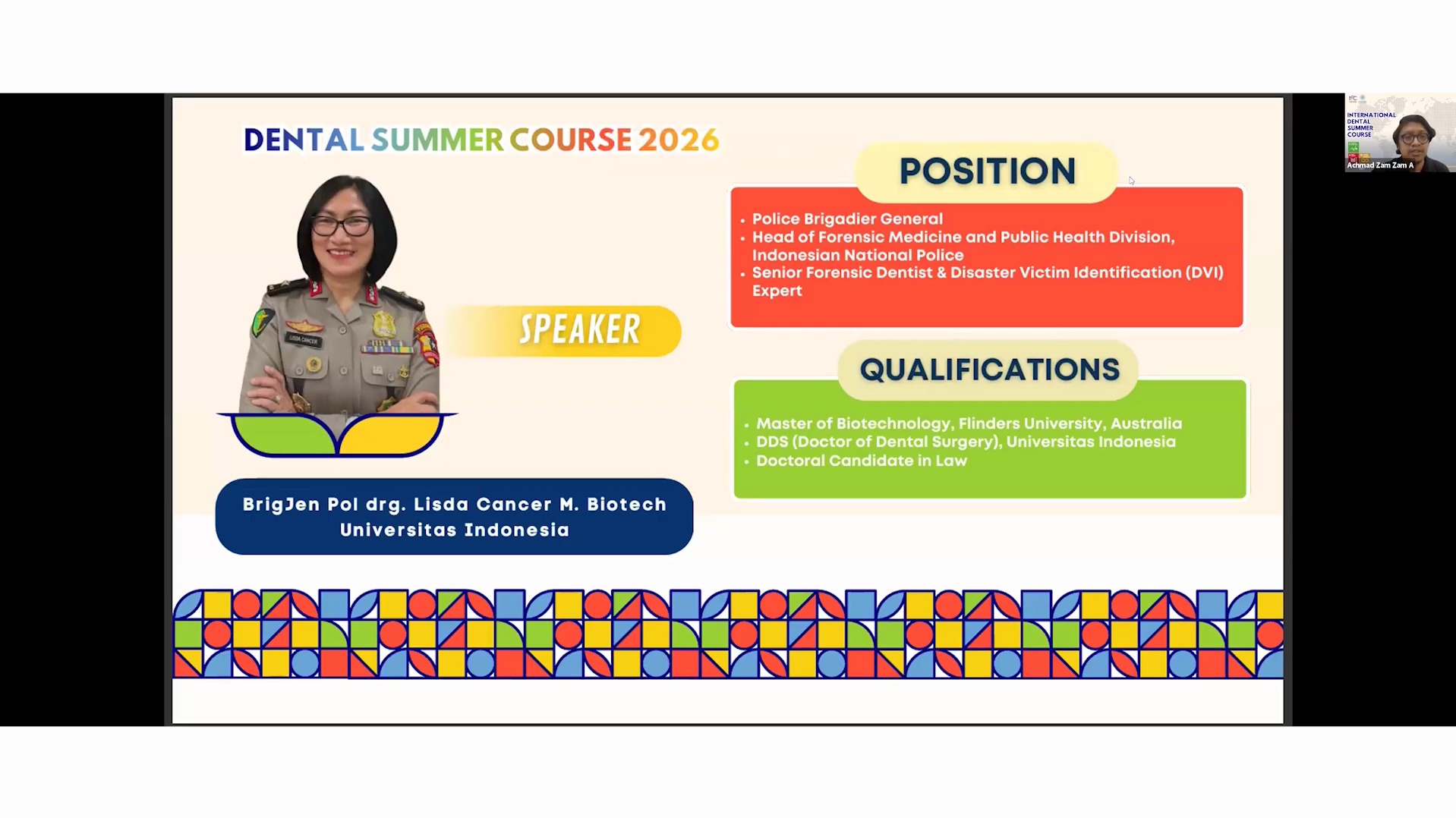
Hadir sebagai pembicara utama, Brigadir Jenderal Dr. drg. Lisda Cancer, M.Biotech., perwira tinggi Kepolisian Negara Republik Indonesia yang juga pakar forensik nasional terkemuka. Dalam pemaparan ilmiahnya yang bertajuk “From Oral Health to Planetary Health: An Ethical Perspective on Sustainable Dentistry” (Dari Kesehatan Mulut hingga Kesehatan Planet: Perspektif Etis tentang Kedokteran Gigi Berkelanjutan), ia menegaskan pentingnya reposisi etika profesi dokter gigi dalam menjaga kelestarian bumi.
Acara yang dipandu oleh moderator drg. Achmad Zam Zam Aghasy, M.Kes. ini berjalan secara dinamis dan menghasilkan beberapa poin penting mengenai tantangan sekaligus solusi konkret dalam implementasi pelayanan medis yang berwawasan lingkungan.
Berikut adalah poin-poin penting yang wajib kita ketahui dari perubahan paradigma dunia medis ini:
1. Dosa Ekologis Klinik Gigi yang Kerap Terabaikan
Meskipun satu klinik gigi terlihat kecil, akumulasi dari ribuan klinik di seluruh dunia ternyata menyumbang kerusakan lingkungan yang masif.
- Timbunan Sampah Medis: Ribuan masker, sarung tangan, hingga suction tips (ujung isap) sekali pakai dibuang setiap harinya.
- Efek Domino: Lewat paradigma Planetary Health, terungkap bahwa bumi yang rusak akibat polusi dan perubahan iklim pada akhirnya akan merusak kesehatan manusia kembali—termasuk memicu penyakit mulut.
2. Membedah Etika Baru Dokter Gigi Modern
Dr. Lisda memperluas 4 prinsip etika medis konvensional agar para dokter gigi tidak hanya menyelamatkan pasien, tetapi juga menyelamatkan alam:
- Berbuat Baik (Beneficence): Pilih opsi perawatan dan bahan yang paling minim merusak ekologi.
- Tidak Merugikan (Non-Maleficence): Terapkan prinsip do no harm dengan mengelola limbah medis secara ketat agar tidak meracuni lingkungan masyarakat.
- Menghargai Pilihan (Autonomy): Edukasi pasien secara jujur tentang opsi perawatan yang lebih ramah lingkungan.
- Keadilan (Justice): Hemat air dan energi di klinik sekarang, demi hak hidup generasi masa depan.
“Pada akhirnya, senyum yang sehat hanya akan dapat bertahan di atas planet yang sehat.”
— Brigjen Pol. Dr. drg. Lisda Cancer, M.Biotech.
3. Senjata Terkuat: Cegah Sebelum Terjadi
Dalam sesi tanya jawab, seorang peserta bernama Vanaj melempar dilema: di negara berkembang yang akses gigi dasarnya saja masih sulit, mana yang harus didahulukan antara akses atau isu lingkungan ini?
Jawaban Dr. Lisda sangat solutif. Menurutnya, kedua hal ini tidak perlu dipertentangkan karena kunci keberlanjutan justru ada pada upaya preventif (pencegahan).
- Satu Tindakan, Banyak Manfaat: Mengedukasi masyarakat agar gigi tidak berlubang adalah langkah paling ramah lingkungan.
- Efisiensi Total: Logikanya sederhana; jika gigi tidak berlubang, maka tidak ada prosedur klinis, tidak ada bahan medis sekali pakai yang dibuang, dan tidak ada emisi karbon dari kendaraan pasien yang harus bolak-balik ke klinik.
4. Klinik Swasta Dikepung Aturan Ketat
Menjawab kekhawatiran peserta lain, Meswari Santika, soal bagaimana nasib operasional klinik swasta, Dr. Lisda menegaskan bahwa hukum di Indonesia sudah sangat siap mengawal isu ini.
Klinik swasta tidak bisa lagi main-main karena regulasi nasional memberikan mandat yang tegas:
- UU Kesehatan No. 17 Tahun 2023: Mewajibkan integrasi layanan preventif dan promotif yang selaras dengan konsep ramah lingkungan.
- UU PPLH No. 32 Tahun 2009: Setiap klinik gigi wajib mengelola dampak lingkungan mereka secara bertanggung jawab, mulai dari pemilahan sampah medis yang ketat hingga wajib menyediakan Instalasi Pengolahan Air Limbah (IPAL) jika ingin mengamankan izin praktiknya.
Arah masa depan dunia kedokteran gigi kini sudah jelas. Para dokter gigi tidak lagi sekadar menjadi penyembuh di dalam ruangan klinik, melainkan bertransisi menjadi para penjaga kelestarian ekosistem bumi.
Reporter : Nanda , Andri
Foto : Tangkapan Layar Zoom Meeting

